How UR Binary Hub is Turning Student Ideas into Real Digital Solutions
AI Quick Summary
- UR Binary Hub at the University of Rwanda converts student innovations into practical digital solutions for institutional use.
- The hub functions as an innovation and incubation center, involving students, staff, alumni, and experts in the entire software development lifecycle.
- It provides essential mentorship, training, and incubation support, equipping students with practical skills in software development, teamwork, and problem-solving.
- Several flagship digital solutions have been developed, including systems for request management (INUMA), fleet tracking (IMOTRAK), and asset tracking (UMUTUNGO Box).
- Operating on a co-ownership model, the hub first deploys solutions within the university before expanding to other public institutions, supporting Rwanda's digital transformation.
There are no specific public updates available on UR Binary Hub's direct activities or projects after the article's publication date.
What if student ideas at university could become real systems used by institutions? At the University of Rwanda, UR Binary Hub is turning that idea into reality by building working digital solutions from student innovations.
The hub develops, tests, and deploys software systems that solve real institutional challenges. These solutions are used within the university and later extended to other institutions across Rwanda.
A Practical Innovation and Incubation Hub
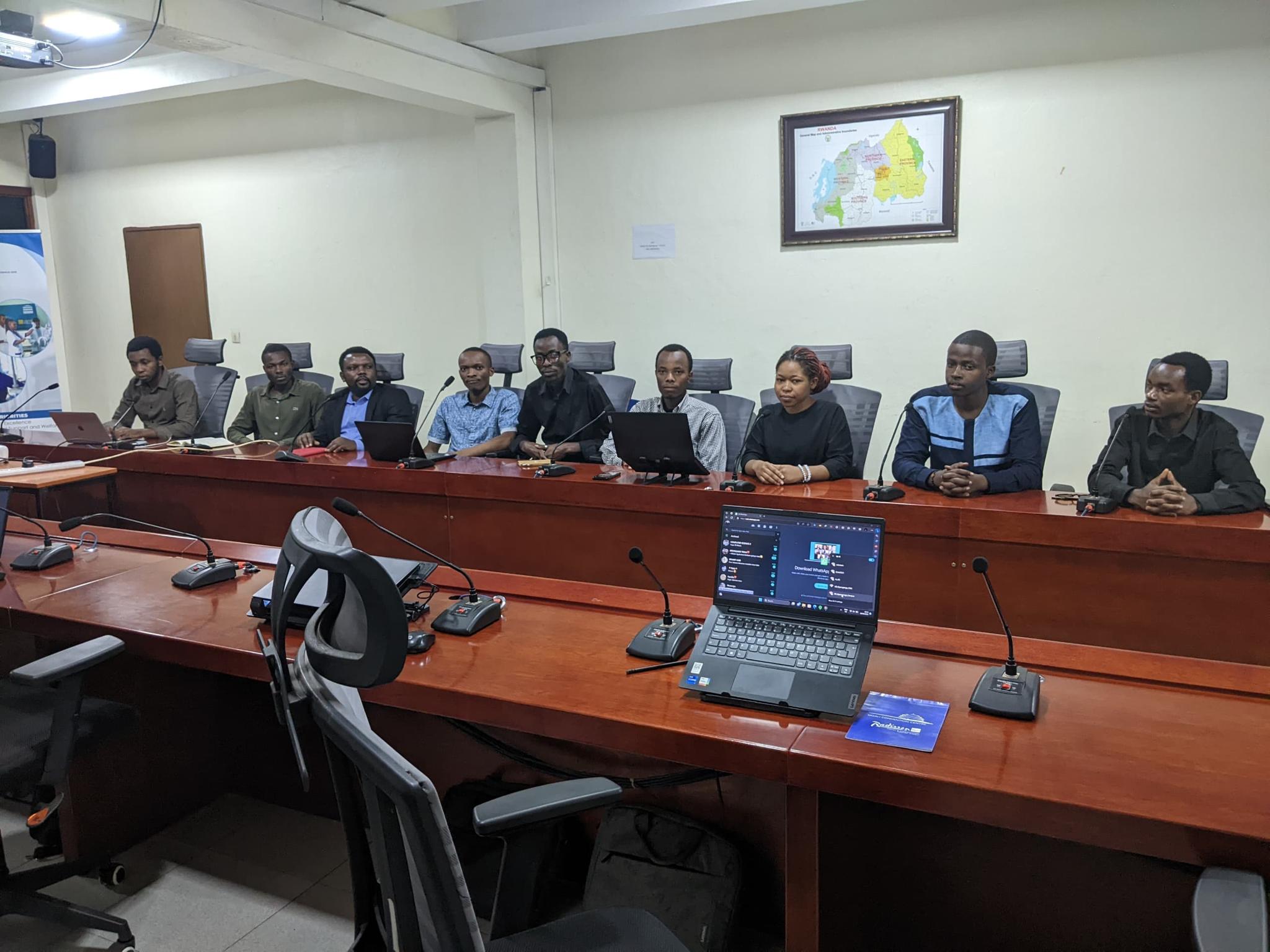
UR Binary Hub brings together students, academic staff, alumni, and industry experts to work on real projects. Instead of focusing only on theory, innovators are involved in full development cycles from idea to deployment.
The hub provides mentorship, training, and incubation support. Students work with experienced developers to design and improve solutions based on real user needs. This helps them gain practical skills in software development, teamwork, and problem-solving.
From Ideas to Working Systems
The hub focuses on turning early ideas into functional digital products. Innovators refine concepts, build prototypes, develop systems, test them, and improve them based on feedback before deployment.
Most solutions are first used within the University of Rwanda. This ensures they are tested in real environments before being scaled to other institutions.
Flagship Digital Solutions
UR Binary Hub has developed several systems, including INUMA for request management, IMOTRAK for fleet management, UMUTUNGO Box for asset tracking, the Rwanda FDA Customer Support System for public service requests, the Academic Records System for student data, and HitamoSpace for event and venue management.
These systems are built using technologies such as React, Node.js, Vue.js, Angular, Spring Boot, PostgreSQL, and MongoDB.
Collaborative Development Model
The hub operates through multidisciplinary teams of developers, testers, project managers, and documentation specialists. Students contribute to live projects while learning under mentorship from experienced professionals.
It also promotes collaboration between students, staff, alumni, and external experts to ensure practical and scalable solutions.
Supporting Rwanda’s Digital Transformation
UR Binary Hub follows a co-ownership model where solutions are jointly owned by the University of Rwanda and developers. This encourages innovation while ensuring sustainability.
Developed systems are first deployed within the university and later adapted for public institutions, supporting Rwanda’s wider digital transformation agenda. Read more urbinaryhub.rw
If you enjoyed this article, follow us on WhatsApp for daily tech updates. If you have an idea, need to be featured or need to partner, reach out to us at editorial@techinika.com or use our contact page.
Don't let the story end here.
Share your thoughts, ask questions, and connect with the community.

ISHIMWE Jean Claude
AuthorA technology writer at Techinika, exploring digital innovation and emerging technology trends across Africa. Dedicated to translating complex ideas into meaningful narratives.
View all articles by ISHIMWE Jean Claude →Up Next
What Rwandan Creators Can Learn From Creators Who Built EmpiresBy Cishahayo Songa Achille • 6 min read