What Tech Communities In Rwanda Are Doing: Building the Future Together
AI Quick Summary
- Rwanda's tech communities are crucial for the nation's technological growth, serving as hubs for innovation, support, and development.
- These communities are diverse, encompassing developers, students, women in tech, entrepreneurs, specialized groups, and company-based initiatives.
- They focus on knowledge sharing, skill development, networking, hackathons, mentorship, and advocating for tech careers.
- Enhanced collaboration through shared resources, unified advocacy, and cross-community initiatives is essential for their collective impact.
- Sustainability challenges like funding, leadership, and member retention require diversified revenue, strong governance, and measurable impact reporting.
Following the article, Rwanda hosted major tech events like Mobile World Congress Kigali in October 2025 and launched its $200 million Digital Acceleration Program to further boost startups and digital infrastructure.
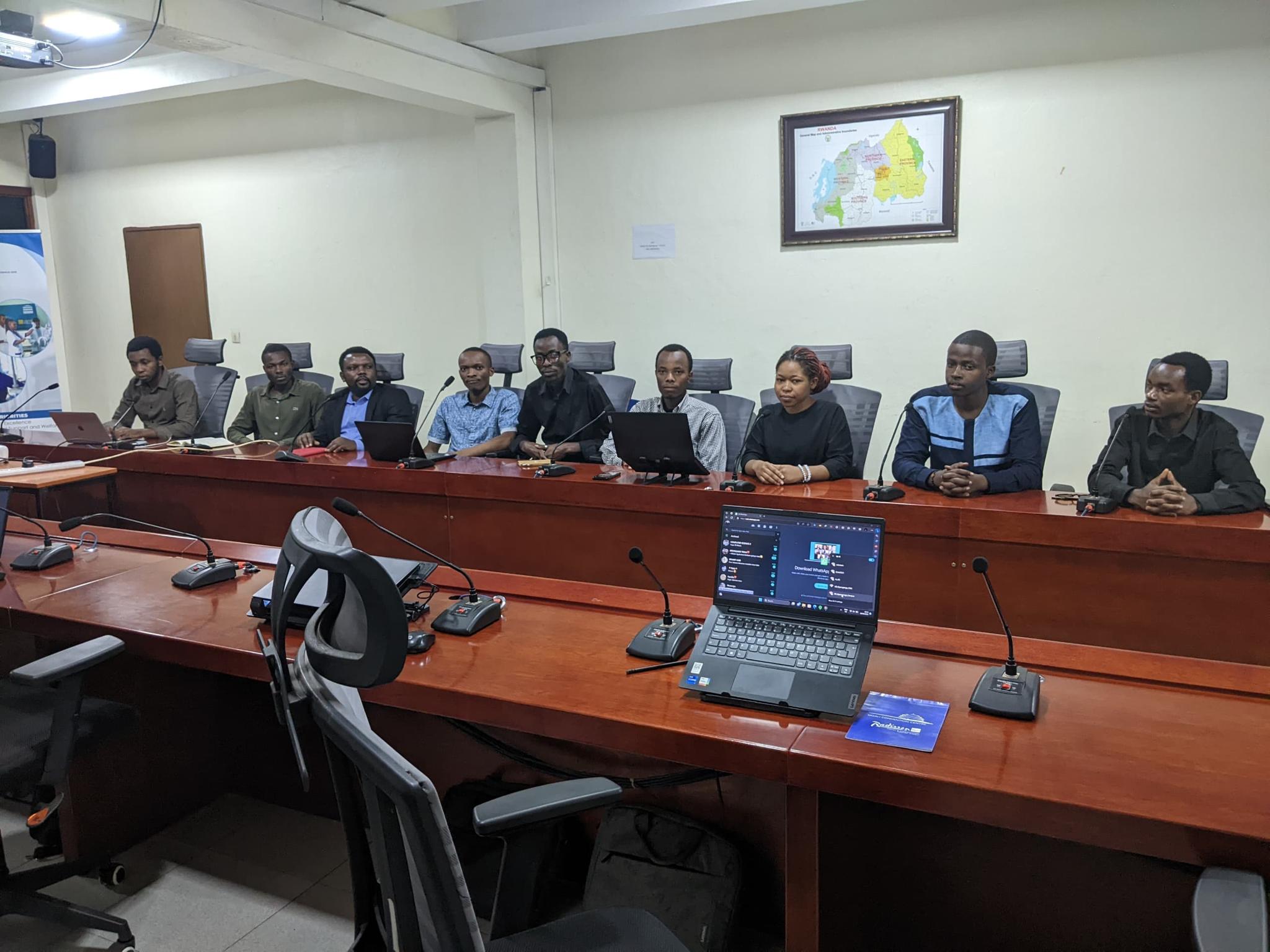
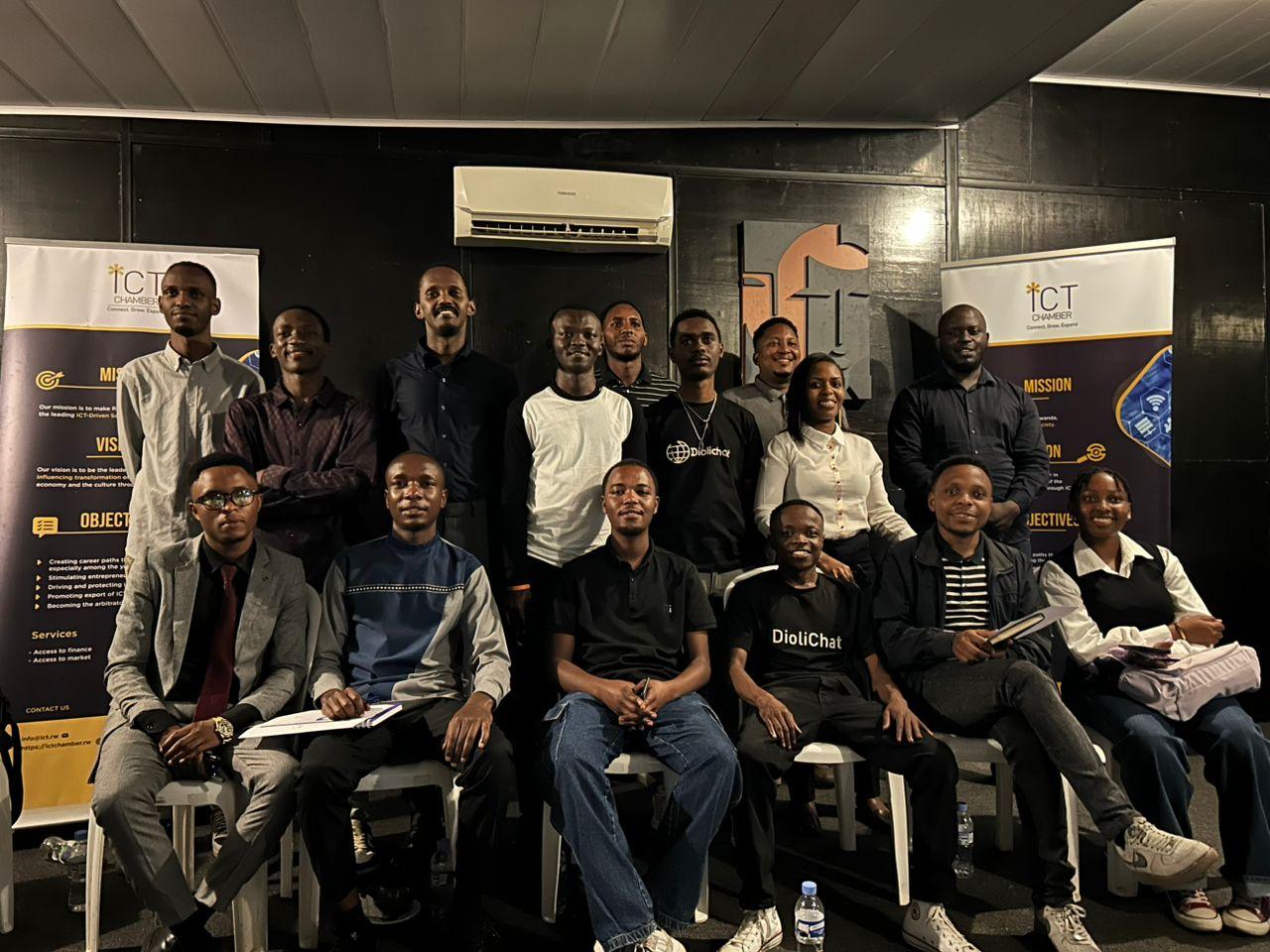
Tech communities in Rwanda play a vital role in the growth of technology and the involvement of people across the nation. From students learning their first line of code to seasoned professionals sharing expertise, these communities form the backbone of Rwanda's thriving tech ecosystem. They don't just form meeting spaces; they're innovation hubs, support networks, and launchpads for the next generation of African tech leaders.
As Rwanda positions itself as a regional technology hub, understanding what these communities are doing, where they're succeeding, and how they can grow stronger becomes essential for anyone invested in the country's digital future.
Which Tech Communities Exist in Rwanda?
Rwanda's tech landscape is home to a diverse array of communities, each serving unique purposes and audiences:
Developer and Programming Communities
These communities focus on building technical skills, sharing best practices, and collaborating on projects. They host regular meetups, hackathons, networking events, and workshops that help developers stay current with the latest technologies.
Notable communities include: GDG Kigali, React JS Rwanda, Open Source Rwanda, and Andela Rwanda Community (Retired). There was previously forloop, though there haven't been any recent updates from them.
Student and University Tech Clubs
Student communities and clubs serve as the entry point for many young Rwandans into the tech world. They organize coding competitions, tech talks, and provide mentorship for aspiring technologists.
These include: GDG Student Clubs, Innovation Clubs in TVET Schools, and beyond these, various students form small groups for peer learning and project building.
Women in Tech Communities
These communities work to increase female representation in tech through training programs, networking events, and mentorship opportunities. They create safe spaces for women to learn, grow, and support each other.
Leading communities: Women Techmakers, supported by Google and working closely with GDG, is the most prominent community in Rwanda for this purpose. Another notable community is the Women in Tech club, which is part of CMU university. Her in Tech, She Can Code and Girls in ICT are other notable communities for women in tech.
Entrepreneurship and Startup Communities
Focused on the business side of technology, these communities help entrepreneurs turn ideas into viable businesses. They provide access to mentors, investors, and resources needed to build successful startups.
Key players: Startups in Rwanda used to host quarterly Founder's Happy Hour, making it an excellent platform for startup founders. ICT Chamber also has multiple clusters helping founders be part of a broader community of ICT companies. Norrsken has built a substantial community, ccHub maintains a strong network, and Hanga Hubs has established communities throughout different parts of the country.
Specialized Tech Communities
These niche communities dive deep into specific technologies or domains, allowing members to develop specialized expertise and stay at the cutting edge of their fields.
Examples include: Blockchain communities have formed an association (Blockchain Rwanda) that brings together all blockchain-specific groups. The Mbaza community is probably the pioneering community for NLP education and open-source contribution to Kinyarwanda text cleaning; Mbaza comes from Digital Umuganda. Rwanda Cybersecurity Community also leads in cybersecurity education and connection.
Additional specialized communities exist in health informatics, for React, Python, Java programming languages, MongoDB, and more. These focused communities bring together people with similar interests and help them learn collectively.
Company-Based Communities
Private companies engaged in education have started forming their own communities. These include people who went through their programs or those interested in what they offer. Most of these communities focus on education.
Examples: Rwanda Technology Community from Techinika, Mastery Hub of Rwanda has their community, Growthwave has their community, Umurava has community, BAG has community, the Mbaza community from Digital Umuganda, and more.
This is just a generalization. There are even more smaller and bigger communities that we haven't mentioned.
What Communities Are Currently Doing
- Knowledge Sharing and Skill Development: Regular workshops, training sessions, and learning events that help members grow their technical abilities
- Networking and Collaboration: Creating connections between developers, entrepreneurs, and industry professionals
- Hackathons and Competitions: Organizing events that challenge participants to build innovative solutions
- Mentorship Programs: Pairing experienced professionals with those just starting their tech journey
- Community Projects and Open Source Contributions: Working together on meaningful projects that benefit the broader ecosystem
- Advocacy and Awareness: Raising awareness about technology careers and promoting inclusivity in tech
How Communities Could Work Together
Shared Event Calendars
We used to have an event calendar accessible to everyone, showing all events happening in Kigali. It's not being used today, probably because the maintainer got busy. But this would help all of us have visibility of our events while also being able to support each other.
Resource Pooling
By sharing venues, equipment, funding, and expertise, communities can reduce costs and increase the quality of their offerings. Co-hosting events spreads the organizational burden while reaching larger audiences.
Joint Certification Programs
Communities could collaborate to create recognized certification programs that carry weight with employers, providing clear career pathways for members.
Unified Voice for Advocacy
When communities speak together on policy issues, tech education, or industry needs, they have greater influence with government, educational institutions, and industry stakeholders.
Cross-Community Mentorship Networks
Creating a broader mentorship network across communities would connect mentees with the right mentors regardless of which community they belong to.
Collaborative Project Initiatives
Communities could identify common challenges and work together on projects that benefit the entire ecosystem, from building shared infrastructure to creating educational content.
Knowledge Exchange Programs
Regular inter-community knowledge sharing sessions where different communities present their unique expertise would enrich the entire ecosystem.
Sustainability of Communities
Many tech communities in Rwanda face sustainability challenges: volunteer burnout, inconsistent funding, member retention, and difficulty measuring impact. Building sustainable communities requires addressing these systemic issues.
Diversified Revenue Streams
Sustainable communities should explore multiple funding sources:
- Corporate sponsorships and partnerships
- Membership fees (where appropriate)
- Training and certification programs
- Consulting services
- Grants from government and international organizations
- Event sponsorships
Strong Leadership and Governance
Communities need clear leadership structures, defined roles, and succession plans. This ensures continuity when founding members move on and prevents communities from collapsing when key individuals leave.
Measuring and Communicating Impact
Communities could track metrics like:
- Number of members placed in jobs
- Projects completed
- Skills acquired by members
- Businesses launched
- Diversity statistics
Clear impact data helps secure funding and demonstrates value to stakeholders.
Building Community Culture
Sustainable communities foster strong cultures where members feel ownership, belonging, and commitment. This happens through consistent engagement, recognition of contributions, and creating spaces where everyone's voice matters.
Investing in Infrastructure
Whether physical spaces, digital platforms, or organizational systems, communities need infrastructure that supports their activities and scales with growth.
Creating Value Beyond Events
While events are important, sustainable communities provide ongoing value through online forums, resource libraries, job boards, project collaborations, and continuous learning opportunities.
The Path Forward
Rwanda's tech communities stand at an exciting crossroads. The foundation has been laid through the hard work of passionate individuals and organizations. Now, the opportunity exists to build something even more powerful; an interconnected ecosystem where communities amplify each other's strengths, support each other's growth, and collectively accelerate Rwanda's technological advancement.
The future belongs to communities that can adapt, collaborate, and create lasting value for their members. By focusing on sustainability, inclusivity, and practical impact, Rwanda's tech communities can continue to be the driving force behind the country's digital transformation.
Call to Action
For Community Leaders:
Reach out to other communities. Start conversations about collaboration. Share your resources and learn from others.
For Community Members:
Actively participate, contribute your skills, and support your community's sustainability efforts.
For Companies and Organizations:
Partner with communities. Provide mentorship, resources, and opportunities. Your investment in communities is an investment in Rwanda's tech future.
For Government and Educational Institutions:
Support tech communities through funding, policy, and recognition. These communities are training the workforce of tomorrow.
Together, we can build a tech ecosystem where every Rwandan has the opportunity to learn, innovate, and thrive in the digital economy.
If you enjoyed this article, follow us on WhatsApp for daily tech updates. If you have an idea, need to be featured or need to partner, reach out to us at editorial@techinika.com or use our contact page.
Don't let the story end here.
Share your thoughts, ask questions, and connect with the community.

Cishahayo Songa Achille
Chief EditorCishahayo Songa Achille is a Rwandan software engineer and tech entrepreneur focused on democratizing digital skills. He is best known as the Founder and Managing Director of Techinika, an edtech firm established in 2020 to make complex technological advances accessible to the general public and build solutions for the biggest problems.
View all articles by Cishahayo Songa Achille →Up Next
What Rwandan Creators Can Learn From Creators Who Built EmpiresBy Cishahayo Songa Achille • 6 min read