How African Satellites Are Shaping Connectivity, Agriculture, and Security
AI Quick Summary
- African countries are increasingly leveraging satellite technology as practical tools for development, moving beyond symbolic launches to support areas like internet, climate, agriculture, and security.
- Several nations, including Egypt, Algeria, Kenya, Senegal, Nigeria, Botswana (launched in 2025), and Rwanda (RWASat-1 in 2019, Icyerekezo), operate satellites for diverse purposes like earth observation, communications, and resource monitoring.
- The African Space Agency (AfSA) became fully operational in 2026 to coordinate continental space strategy, while national entities like the Rwanda Space Agency (RSA) are building local expertise and regional development hubs.
- Satellite data offers significant benefits for agriculture, enabling early detection of crop stress and efficient resource management for food security, and also bolsters national security and disaster preparedness through monitoring and early warnings.
- These programs are crucial for developing local capacity and skills, training engineers and data specialists to translate satellite information into solutions for African challenges.
Further details on specific AfSA initiatives and new national satellite projects are anticipated throughout 2026 as the agency fully establishes its continental coordination efforts.
Across Africa, countries are increasingly using satellite technology to support development. Instead of being distant or purely symbolic, satellites are now practical tools for internet planning, climate, smart agriculture, environmental monitoring, disaster preparedness, and security.
African satellites help governments collect data that guides planning and strengthens resilience, showing a shift from prestige launches to practical development applications.
Satellite Programs Across Africa
Several African countries have launched satellites for specific development purposes:
- Egypt and Algeria: Operate satellites that support communications and earth observation.
- Kenya: Uses satellites for environmental monitoring and land management.
- Senegal: Launched GaindéSat-1A for observation and telecommunications.
- Nigeria: Operates satellites that contribute to broadband and engineering capacity.
- Botswana: Recently launched BOTSAT-1 in 2025 to monitor crops and national security.
These examples demonstrate the continent’s growing use of space data for planning and development. As of 2026, the African Space Agency (AfSA) is fully operational, coordinating these national efforts into a unified continental strategy.
Rwanda’s Satellite Initiatives
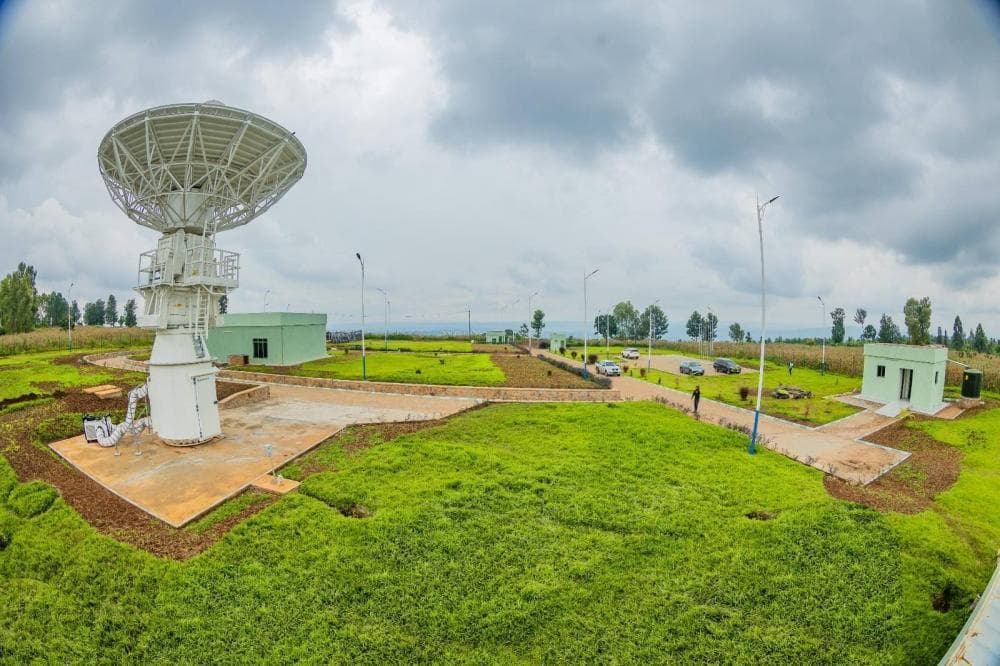
Rwanda has also entered the satellite arena. Its first satellite, RWASat-1, launched in 2019 with Japanese support, carries multispectral cameras that help monitor soil moisture, crop growth, and natural resources. Rwanda also developed Icyerekezo, designed to support internet connectivity for remote schools and communities.
The Rwanda Space Agency (RSA) oversees these programs, building local expertise in satellite design, operations, and data management. In 2025, the RSA further expanded its capabilities by initiating work on a regional hub for satellite development and testing.
Practical Benefits for Agriculture and Policy
Satellites allow governments and agencies to observe land from above and make informed decisions. Benefits include:
- Detecting early signs of crop stress.
- Monitoring soil and water resources.
- Planning irrigation and land use efficiently.
Officials note that satellite data enables agricultural agencies to take more informed decisions on crop production and resource allocation, complementing traditional surveys. This is critical for food security, as digital solutions are projected to reach 60% of African farms by late 2026.
Security and Disaster Preparedness
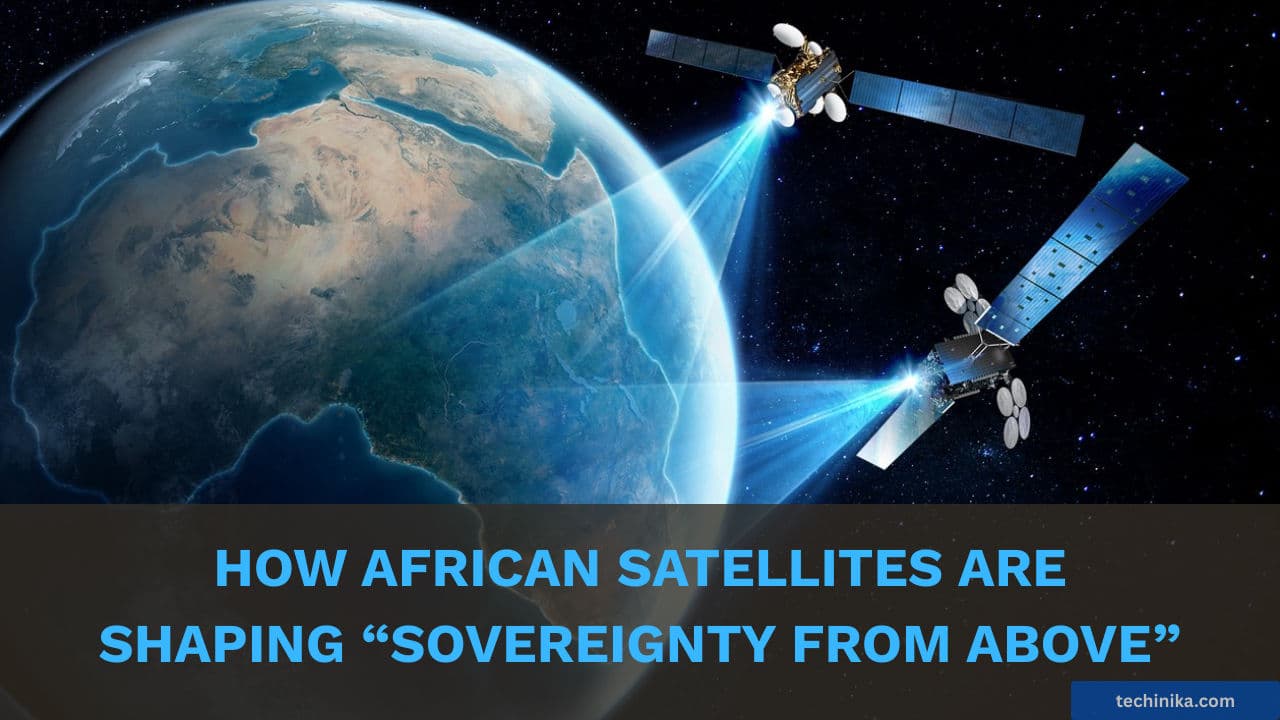
Satellites contribute to national security and emergency response. They help monitor borders, track environmental changes, and provide early warnings for floods, droughts, and other hazards, improving response planning and reducing damage to communities. This "sovereignty from above" allows governments to patrol large territories effectively against illegal poaching and resource extraction.
Building Capacity and Skills
A key outcome of African satellite programs is skills development. Engineers, researchers, and students gain experience in satellite operations and data analysis.
"We need to grow not just satellites, but the engineers and data specialists who can turn information into solutions for African challenges."
African satellite programs are evolving into tools for development, not just symbols of achievement. Countries including Egypt, Algeria, Kenya, Senegal, Nigeria, and Rwanda are using satellites to improve connectivity, agriculture, environmental management, and security.
By focusing on data-driven insights, these programs demonstrate how space technology can support everyday development and long-term progress across Africa.
If you enjoyed this article, follow us on WhatsApp for daily tech updates. If you have an idea, need to be featured or need to partner, reach out to us at editorial@techinika.com or use our contact page.
Don't let the story end here.
Share your thoughts, ask questions, and connect with the community.

Mwiza Zamda
AuthorA technology writer at Techinika with an interest in digital innovation and emerging trends in Africa.
View all articles by Mwiza Zamda →