SpaceX Launches Starlink Satellites in 480km Shift, Strengthening 9,500-Satellite Network
AI Quick Summary
- SpaceX completed its 601st mission, deploying 29 V2 Mini satellites to low Earth orbit, increasing the active Starlink constellation to over 9,500.
- The V2 Mini satellites offer four times the capacity of older versions due to advanced antennas and E-band backhaul.
- The mission utilized Falcon 9 booster B1080 for its 24th flight, demonstrating SpaceX's commitment to hardware reusability and high launch cadence.
- SpaceX is migrating approximately 4,400 satellites from 550km to a 480km orbit to improve passive deorbiting for sustainability and enhance signal strength/reduce latency.
- The new satellites enhance the Direct-to-Cell (D2C) network, enabling unmodified smartphones to connect to Starlink in remote areas across multiple continents.
After this article, the US FCC formally authorized SpaceX to deploy an additional 7,500 second-generation Starlink satellites, bringing the total approved next-generation constellation to 15,000 spacecraft and permitting D2C mobile services outside the US.
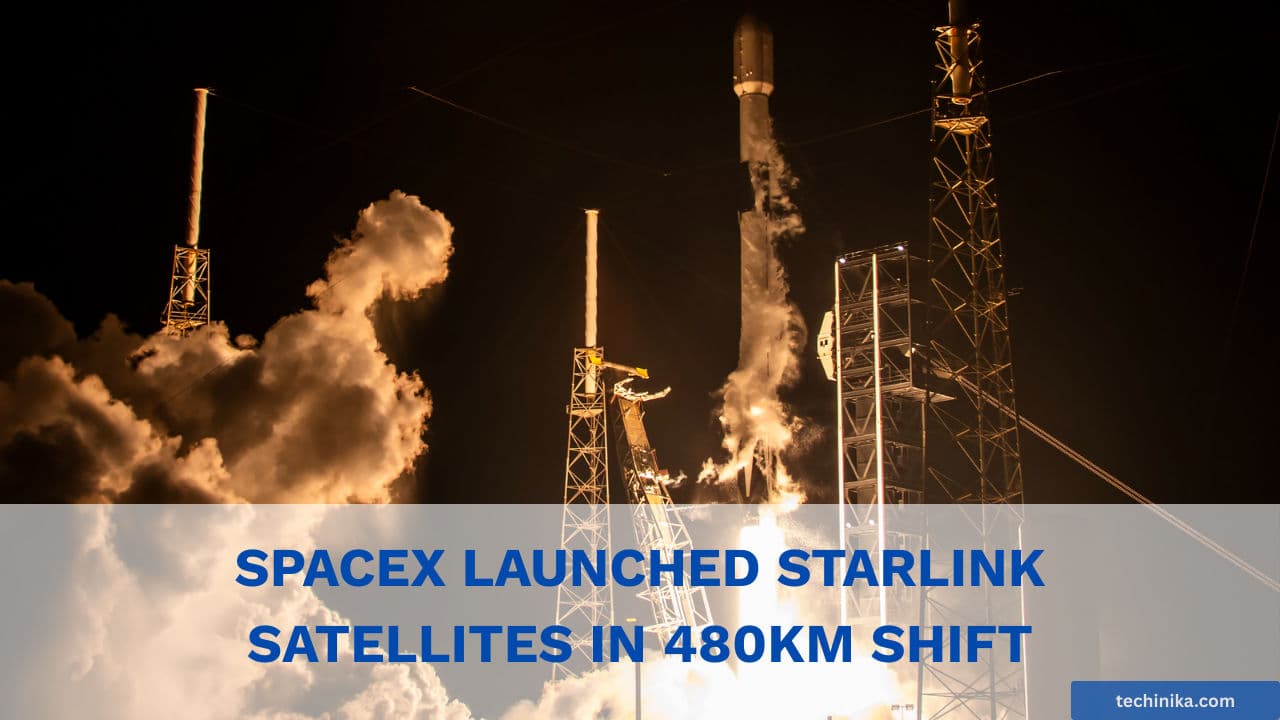
SpaceX has successfully completed its 601st mission, deploying a fresh batch of 29 new satellites into low Earth orbit (LEO). Launched from Cape Canaveral Space Force Station on January 18 2026, this Group 6-100 mission represents a major numerical and technical peak. It officially pushes the total active constellation past 9,500 satellites, moving the global network closer to a true gigabit standard.
Mission Hardware: The V2 Mini Peak
This specific deployment utilized the V2 Mini satellites. Despite the “Mini” name, these units are significantly larger and more capable than the original Generation 1 satellites.
- Expanded Throughput: A single V2 Mini offers approximately four times the capacity of earlier versions. This is achieved through more powerful phased-array antennas and the introduction of E-band for backhaul, allowing the network to serve more users per satellite with higher speeds.
- Reusability Record: The mission was powered by Falcon 9 booster B1080, which completed its 24th flight. This unprecedented level of hardware re-flight is what enables SpaceX to maintain a launch cadence of roughly once every 2.5 days.
- Rapid Orbit Insertion: Within an hour of liftoff, the 29 satellites were successfully deployed into a parking orbit. From there, they began the process of raising their altitudes using on-board propulsion systems to reach their final operational slots.
The 480km Strategic Migration
Perhaps the most significant tech shift currently occurring is the "Great Migration." SpaceX is proactively reconfiguring approximately 4,400 satellites, lowering their operational shell from 550km down to 480km. The benefits of this lower altitude are twofold:
- Passive Deorbiting & Sustainability: At 480km, the atmosphere is denser. This increased drag serves as a natural "cleaning mechanism." If a satellite becomes unresponsive, the atmosphere will pull it down to burn up within months rather than years. This move is designed to prevent the long-term accumulation of "dead" hardware in the 500–600km corridor.
- Signal Integrity: Reducing the distance between the satellite and the ground improves signal strength. This change lowers the "round-trip" time for data (latency), bringing satellite performance to a level that is now indistinguishable from high-end terrestrial fiber.
Direct-to-Cell: The "Cell Tower in the Sky"
This latest batch of satellites also strengthens the Direct-to-Cell (D2C) network. Each of these units is equipped with an advanced eNodeB modem, effectively acting as a cell tower in space.
Because these satellites can communicate using standard LTE frequencies, unmodified smartphones can now connect to the network. This allows users to send messages, share locations, and use data in remote "dead zones" across five continents without needing a traditional Starlink dish or any specialized hardware.
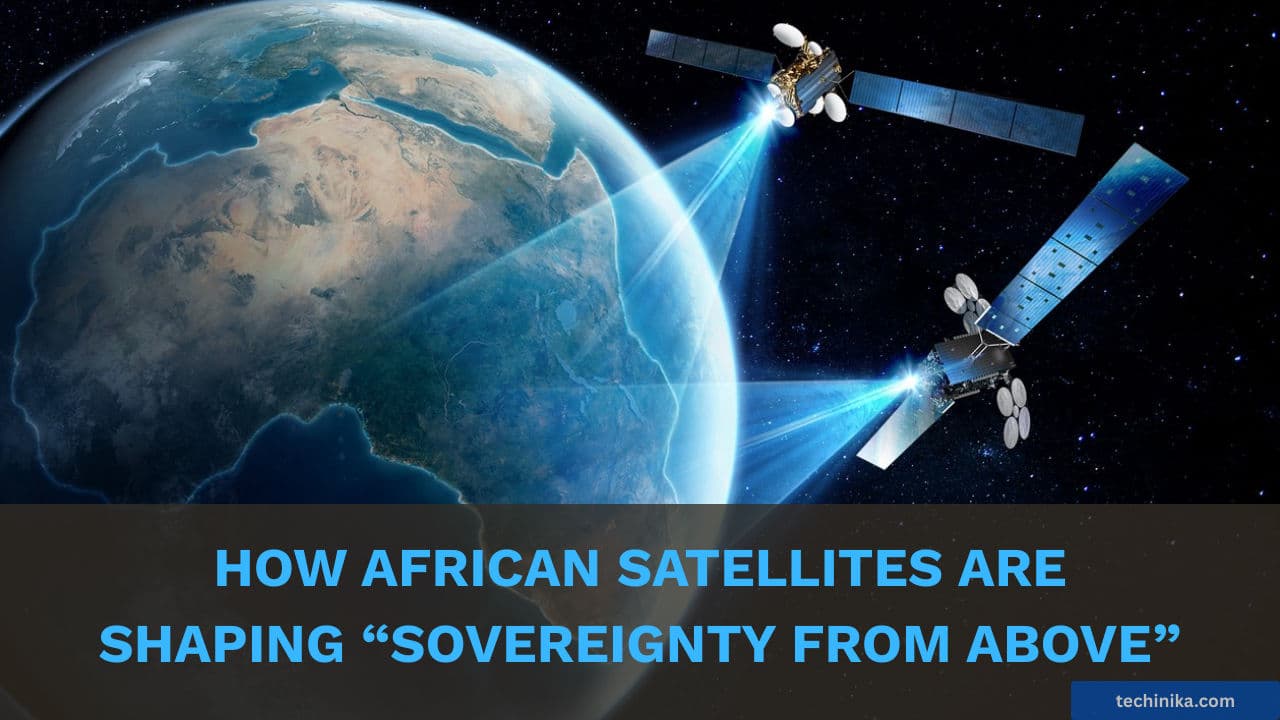
With nearly 10,000 active nodes in orbit, Starlink has evolved from an ambitious experiment into a critical pillar of global infrastructure. By integrating Argon-fueled Hall thrusters for efficient maneuvering and shrinking the "digital divide" through rapid hardware iteration, SpaceX is proving that connectivity is no longer a geographical privilege.
The success of the Group 6-100 mission demonstrates that the future of the internet isn't just about raw speed; it’s about building a resilient, self-cleaning, and pervasive network that lives 480km above the Earth.
If you enjoyed this article, follow us on WhatsApp for daily tech updates. If you have an idea, need to be featured or need to partner, reach out to us at editorial@techinika.com or use our contact page.
Don't let the story end here.
Share your thoughts, ask questions, and connect with the community.

Kellycie Bayingana
AuthorPassionate about the intersection of technology and storytelling. I am committed to uncovering and sharing the most compelling startup narratives from across Rwanda for Techinika.
View all articles by Kellycie Bayingana →