What Happens When Objects Start "Talking"? The Reality of IoT
AI Quick Summary
- The Internet of Things (IoT) is transforming the physical world into a dynamic, responsive network where objects communicate to anticipate human needs.
- IoT leverages connected devices and high-speed 5G to convert raw data into intelligent actions, driving automation while maintaining cybersecurity.
- It is revolutionizing smart homes and cities through improved energy management, enhanced security, and optimized urban infrastructure.
- In healthcare, IoT shifts focus from reactive treatment to preventive care, enabling remote patient monitoring, predictive diagnostics, and operational efficiency.
- IoT also drives significant advancements in agriculture (precision farming), manufacturing (predictive maintenance, digital twins), and transportation (real-time tracking, predictive maintenance).
As this article is dated in the future (January 2026), there are no subsequent updates to report as of the current date.
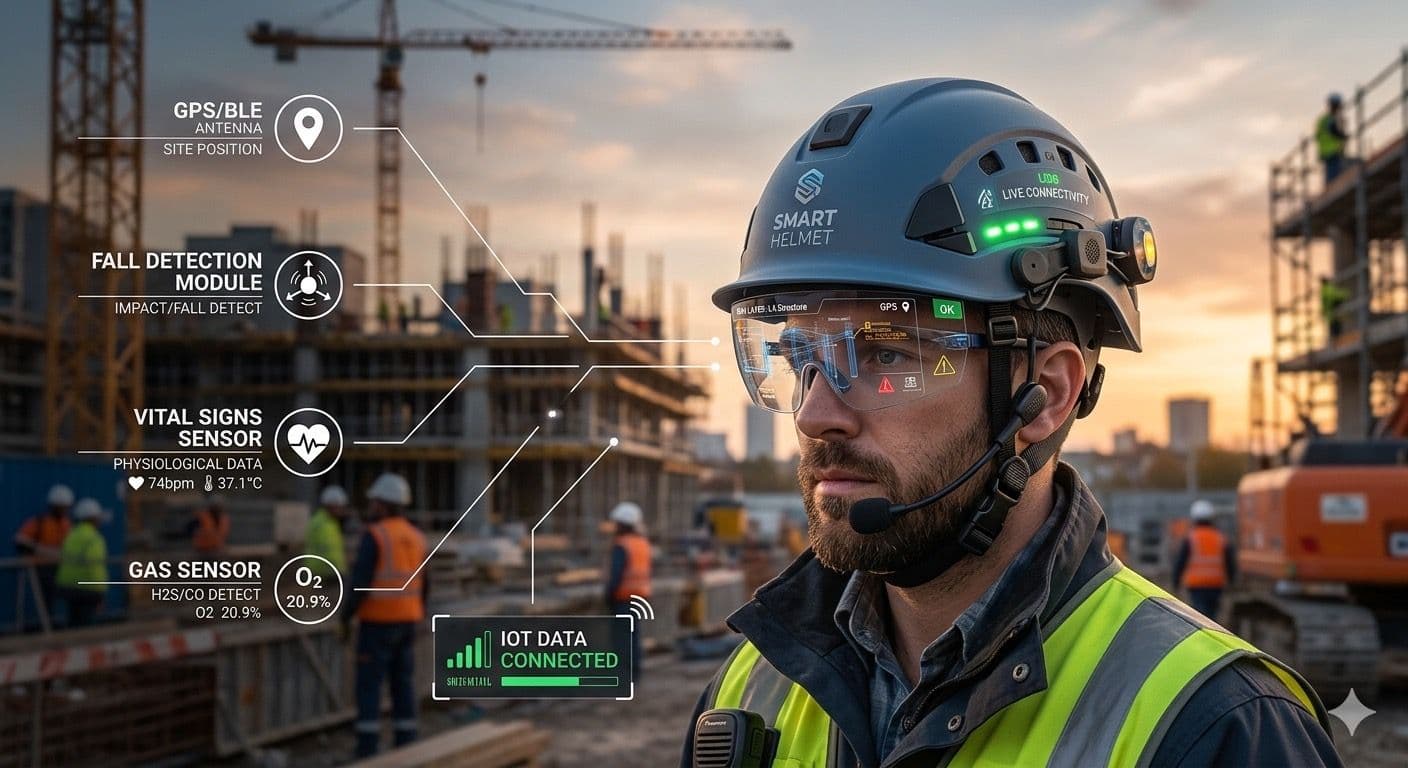
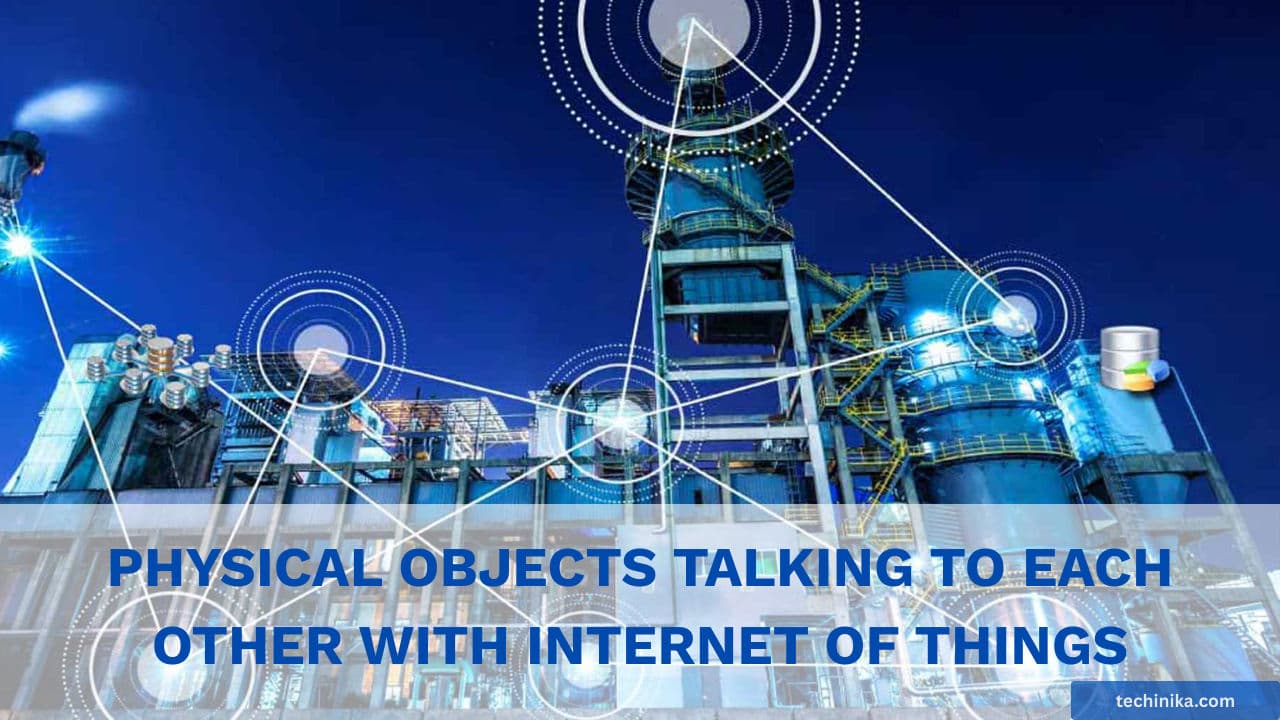
We have spent decades staring at screens to get information, but the script has officially flipped. Today, the objects around us, from city streetlights to industrial turbines are constantly communicating. This isn't science fiction; it’s the reality of the Internet of Things (IoT). By giving the physical world a digital voice, we are living inside a giant, responsive network that anticipates our needs before we even realize them.
The Power Behind the Connection
But why is IoT the primary driver of the change? Its power lies in its ability to turn raw data into smart action. By letting devices sense their surroundings and communicate instantly through high-speed 5G, we can automate our lives while maintaining strict cybersecurity. This "intelligent conversation" isn't just a cool idea; it is already working for us across these major sectors:
Smart Homes and Cities: Intelligent Living
IoT is redefining domestic and urban environments, making them more adaptive and sustainable.
- Energy Management: Smart thermostats and lighting systems learn user behavior and adjust automatically to reduce energy consumption and lower carbon footprints.
- Security and Safety: Connected cameras, sensors, and biometric locks provide real-time alerts and remote monitoring, enhancing safety and peace of mind.
- Urban Infrastructure: Smart cities use IoT to manage traffic flow, monitor air quality, and optimize public utilities, creating more efficient and livable urban environments.
Healthcare: From Reactive to Preventive Care
IoT is shifting healthcare from treating illness to maintaining long-term wellness.
- Remote Monitoring: Wearable devices track vital signs such as heart rate and oxygen levels in real time, allowing doctors to monitor patients outside traditional clinical settings.
- Predictive Diagnostics: Sensors can detect physiological anomalies early, enabling medical intervention before conditions become critical.
- Operational Efficiency: Hospitals use IoT to track equipment and patient movement, reducing wait times and improving the allocation of critical resources.
Agriculture and Manufacturing: The Industrial Evolution
IoT plays a central role in modern agriculture and industrial production, driving efficiency and precision.
- Precision Farming: Soil and crop sensors monitor moisture and nutrient levels, allowing farmers to use water and fertilizer more efficiently while increasing yields.
- Predictive Maintenance: In manufacturing, IoT sensors detect changes in vibration or temperature, signaling maintenance needs before costly equipment failures occur.
- Digital Twins: Virtual models of physical systems enable manufacturers to simulate production changes and optimize workflows without disrupting real-world operations.
Transportation: Smart and Connected Mobility
IoT is transforming transportation by making mobility safer and more efficient.
- Real-Time Tracking: Sensors and GPS systems monitor vehicles and cargo, improving route planning and delivery reliability.
- Predictive Maintenance: IoT detects engine wear or faults early, helping prevent breakdowns and reduce maintenance costs.
The era of silent, static objects is over. By sensing, sharing, and responding to the physical world, technology is no longer just a tool; it is a live environment that adapts to us in real-time. Ultimately, the true power of IoT isn't measured by the devices we own, but by how seamlessly the world now moves to meet our needs.
If you enjoyed this article, follow us on WhatsApp for daily tech updates. If you have an idea, need to be featured or need to partner, reach out to us at editorial@techinika.com or use our contact page.
Don't let the story end here.
Share your thoughts, ask questions, and connect with the community.

Kellycie Bayingana
AuthorPassionate about the intersection of technology and storytelling. I am committed to uncovering and sharing the most compelling startup narratives from across Rwanda for Techinika.
View all articles by Kellycie Bayingana →