Beyond the Prize: How Goodness of God Ltd is Coding a New Future for Rwandan Farmers
AI Quick Summary
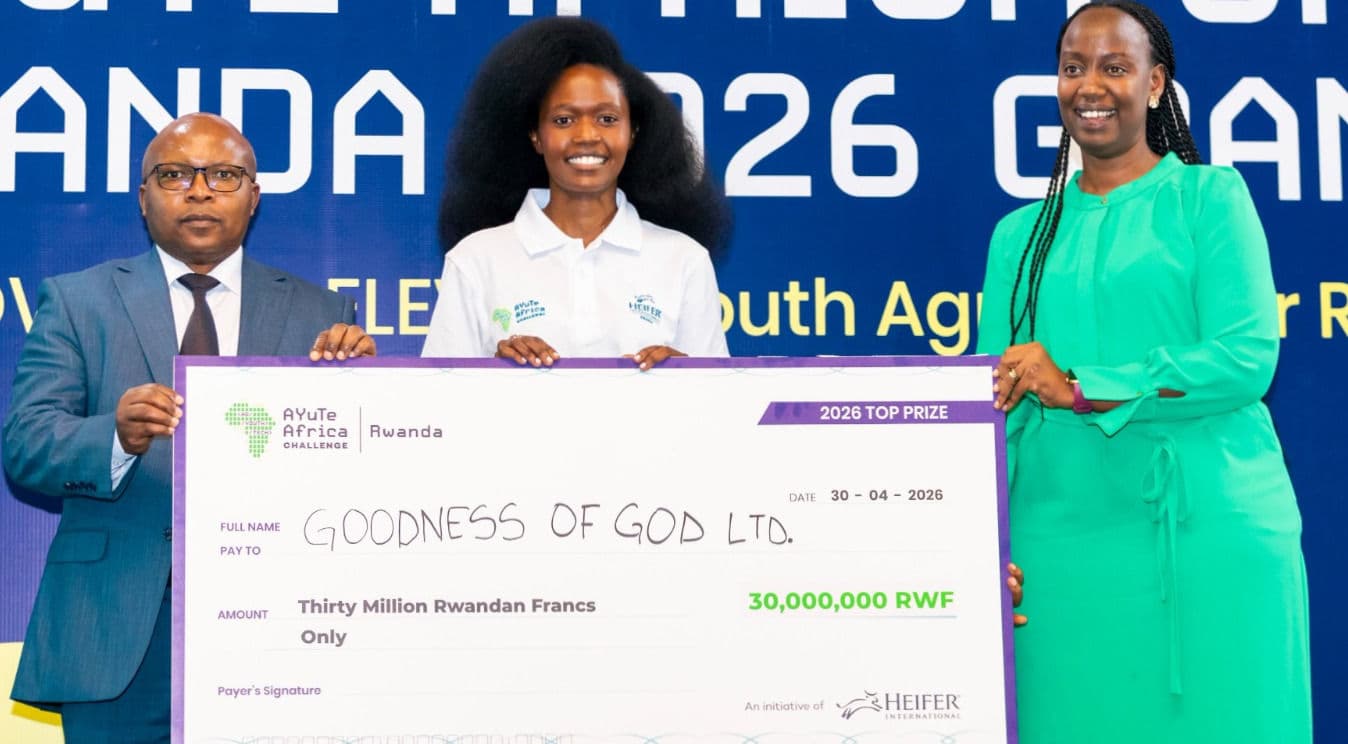
- Goodluck Mutoni won the 2026 AYuTe Africa Challenge, receiving Rwf 30 million for her company, Goodness of God (GOG) Ltd.
- GOG Ltd uses a data-driven supply chain to connect Rwandan rosemary farmers to the global beauty market, transforming post-harvest loss into high-end exports.
- The company employs technology like real-time crop monitoring, precision agronomy, and a network of 27 "Kura Clubs" to manage its decentralized supply chain efficiently.
- GOG Ltd provides a stable and predictable market for farmers, addressing the issue of massive post-harvest losses they previously faced.
- With the prize money, Mutoni plans to upgrade production equipment to scale from 1,200 bottles per week to 1,200 bottles per day, aiming for "Digital Sovereignty in Beauty."
Most people see a bottle of hair oil. Goodluck Mutoni, the grand winner of the 2026 AYuTe Africa Challenge, sees a data-driven supply chain that bridges the gap between a rosemary farm in rural Rwanda and the global beauty market. Winning Rwf 30 million is a major milestone, but the real story is how Mutoni’s company, Goodness of God (GOG) Ltd, is using technology to turn post-harvest loss into high-end export.
The Tech Behind the "Kura" Brand
While GOG Ltd is famous for its Kura organic hair care line, the engine of the company is an integrated agricultural system. Mutoni isn’t just buying onions and ginger; she is building a technical ecosystem for her suppliers:
Real-Time Crop Monitoring: GOG Ltd is introducing digital tools that allow farmers to monitor crop health, ensuring raw ingredients meet high organic standards.
Precision Agronomy: By working with specialized agronomists, the company uses data to train farmers on better practices, directly increasing yield per square meter.
The Kura Club Network: Mutoni plans to scale to 4,200+ farmers through 27 digital-ready Kura Clubs, creating a decentralized supply chain managed with high efficiency.
Solving the "Market Gap" Algorithm
Before GOG Ltd, farmers growing garlic and rosemary faced a "glitch" in the system: they had plenty of produce but no reliable buyer, leading to massive post-harvest losses.
"There was a clear gap between farmers and people that could use their produce," Mutoni explained. "Today, farmers have a stable, predictable market. Instead of struggling to sell at low prices, they now have a consistent buyer".
The results are human, not just digital. Mutoni shared the story of a farmer who previously struggled to pay school fees but now maintains a consistent income through the Kura supply chain.
Scaling to the Global Cloud
With the Rwf 30 million prize, Mutoni is looking to upgrade her hardware the production equipment to meet massive export demand. Currently, the company is scaling from producing 1,200 bottles per week to a staggering 1,200 bottles per day.
The vision for the next three years is clear: Digital Sovereignty in Beauty. By combining AgriTech with manufacturing, Mutoni is proving that Rwanda doesn’t just grow ingredients; it builds the platforms that turn those ingredients into global wealth.
If you enjoyed this article, follow us on WhatsApp for daily tech updates. If you have an idea, need to be featured or need to partner, reach out to us at editorial@techinika.com or use our contact page.
Don't let the story end here.
Share your thoughts, ask questions, and connect with the community.

Mwiza Zamda
AuthorA technology writer at Techinika with an interest in digital innovation and emerging trends in Africa.
View all articles by Mwiza Zamda →