Rwanda Strengthens Digital Public Infrastructure to Drive Inclusive Transformation
AI Quick Summary
- Rwanda launched the Center for Digital Public Infrastructure (DPI) in February 2025, serving as a hub for designing, piloting, and scaling open digital systems.
- The DPI Center supports governments and private sector partners with contributions from organizations like the Gates Foundation.
- On March 10, 2026, Rwanda celebrated Digital Public Infrastructure Day to review progress and discuss the importance of digital infrastructure as a public utility.
- The country has significantly expanded its digital infrastructure with over 24,000 km of fiber optic networks and 1,500+ public Wi-Fi hotspots nationwide, coupled with e-government and digital skills programs.
- Rwanda's comprehensive approach, combining policy, infrastructure, and partnerships, positions it as a regional digital leader and a model for inclusive socio-economic development.
Rwanda continues to advance its digital agenda, with a new National Financial Inclusion Roadmap set for 2026–2030.
In February 2025, Rwanda launched the Center for Digital Public Infrastructure (DPI) during the Inclusive FinTech Forum. The center serves as a hub for designing, piloting, and scaling open, interoperable digital systems.
The initiative supports governments, startups, and private sector partners in deploying secure and scalable infrastructure. It also encourages collaboration and knowledge sharing. Innocent Bagamba Muhizi, CEO of Rwanda Information Society Authority (RISA), emphasized:
“Digital infrastructure is the backbone of digital economies; it enables financial inclusion, seamless digital identity systems, and secure, efficient payment infrastructures.”
Partners including the Gates Foundation, Codevelop, and Access to Finance Rwanda contributed to establishing the center, which acts as a testbed for emerging technologies before large-scale deployment.
Digital Public Infrastructure Day 2026
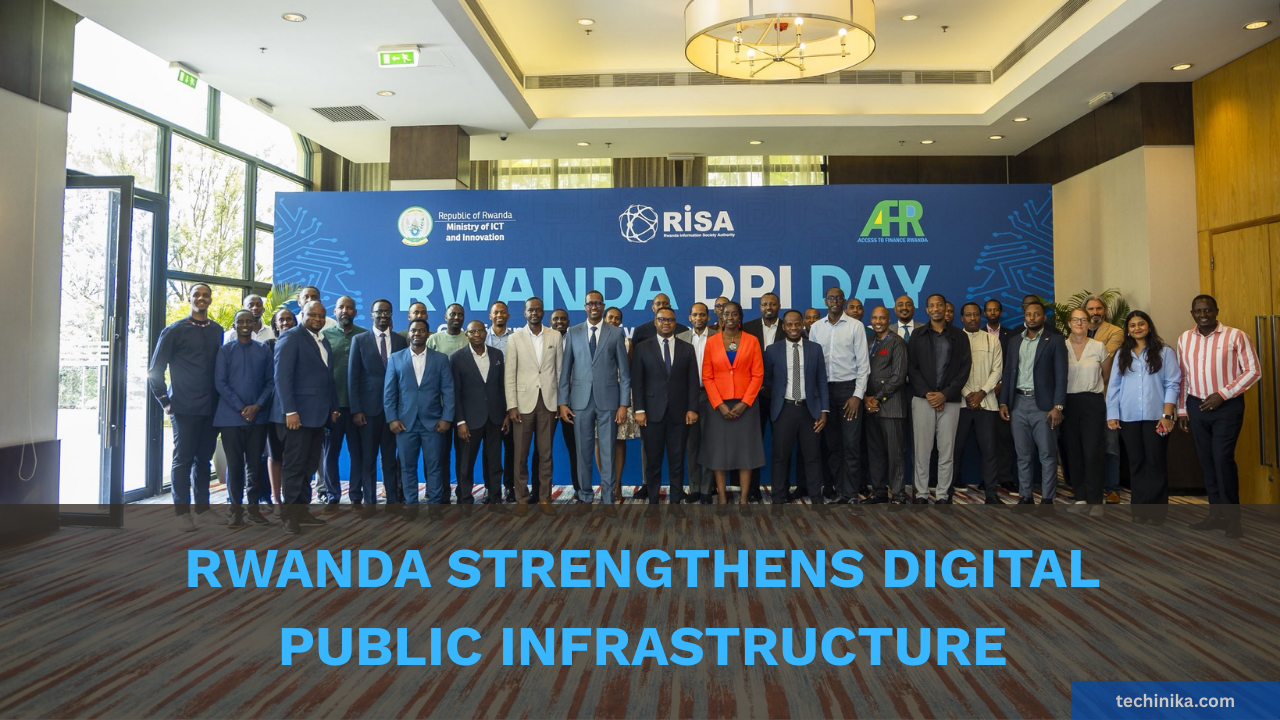
On March 10, 2026, Rwanda celebrated Digital Public Infrastructure Day, bringing together stakeholders from government, private sector, and civil society to review progress.
Antoine Sebera, RISA CEO, highlighted the importance of digital infrastructure, comparing it to a public utility that provides essential services enabling innovation. Panels discussed digital identity systems, electronic payments, and connected public services that improve accessibility, efficiency, and citizen engagement.
Expanding Connectivity Nationwide
Rwanda’s digital strategy extends beyond individual initiatives. Over 24,000 kilometers of fiber optic networks and more than 1,500 public Wi‑Fi hotspots have been deployed nationwide. These investments bridge the digital divide and enable broad participation in the digital economy.
Programs in e-government services and digital skills development complement infrastructure growth, ensuring that both urban and rural populations can access and benefit from technology.
Rwanda as a Regional Digital Leader
Experts note that Rwanda’s approach — combining policy support, public infrastructure, and international partnerships — positions the country as a model for Africa. From piloting technologies at the Center for DPI to implementing nationwide digital services, Rwanda demonstrates how inclusive, secure, and scalable digital systems can drive socio-economic development.
Rwanda continues to invite technology innovators, development partners, and governments to collaborate, strengthening ecosystems that empower communities and advance inclusive digital transformation.
Sources:
If you enjoyed this article, follow us on WhatsApp for daily tech updates. If you have an idea, need to be featured or need to partner, reach out to us at editorial@techinika.com or use our contact page.
Don't let the story end here.
Share your thoughts, ask questions, and connect with the community.

Mwiza Zamda
AuthorA technology writer at Techinika with an interest in digital innovation and emerging trends in Africa.
View all articles by Mwiza Zamda →