Rwanda Polytechnic and KOICA Launch $16 Million Project to Strengthen Workforce Skills
AI Quick Summary
- Rwanda Polytechnic and KOICA have launched the five-year, USD 16 million Higher Technical Education for Employment and Entrepreneurship (H3E) project.
- The initiative, running from 2025 to 2030, aims to strengthen workforce skills and align higher technical education with Rwanda's rapidly growing industry demands.
- Key components include modernizing curricula to reflect industry standards, upgrading infrastructure with new equipment, and implementing applied learning methods.
- The H3E Project will initially focus on crucial sectors for Rwanda's growth: Manufacturing, Information Technology, and Electrical Technology.
- This partnership represents a significant step in developing a competitive, skilled workforce to support Rwanda's Vision 2050 and National Strategy for Transformation (NST2).
Kigali, Rwanda — Rwanda Polytechnic and the Korea International Cooperation Agency (KOICA) have launched a major five‑year initiative to strengthen workforce skills and make higher technical education more relevant to industry needs. The project, called Higher Technical Education for Employment and Entrepreneurship (H3E), is funded with USD 16 million and runs from 2025 to 2030.
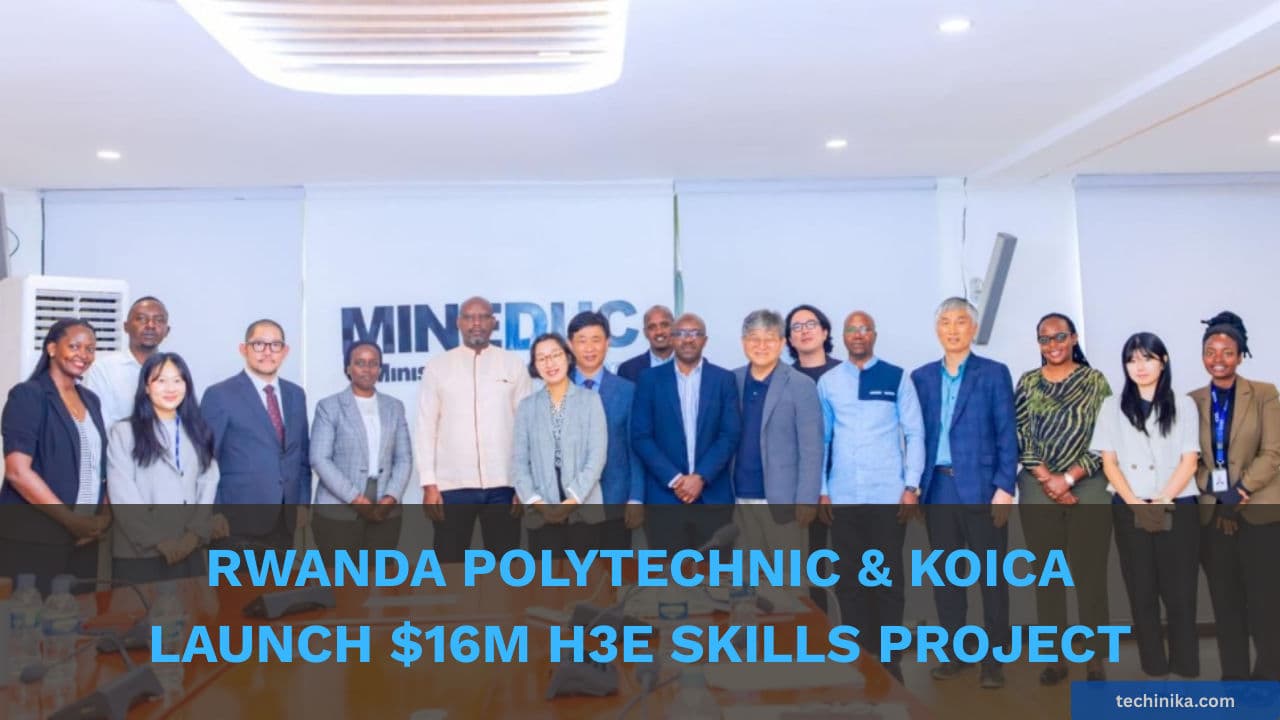
The initiative was officially unveiled at the first H3E Steering Committee meeting in Kigali, chaired by Charles Karakye, Permanent Secretary of the Ministry of Education and H3E Steering Committee Chair. Government officials, Rwanda Polytechnic leaders, and KOICA partners participated to set strategic priorities and oversight mechanisms for the project’s implementation.
Aligning Technical Education with Industry Needs
Rwanda’s economy is growing rapidly, and demand for skilled technical professionals is increasing. However, many graduates lack the practical skills required by employers. The H3E Project aims to bridge this gap by modernizing higher technical education and embedding hands‑on learning into college programs.
Key components of the initiative include:
- Curriculum modernization to reflect current industry standards.
- Upgrading infrastructure with modern laboratories, workshops, and equipment.
- Applied learning methods such as problem‑based learning and real industry challenges.
- Stronger partnerships between government, academia, and the private sector.
Strategic Focus Areas
The H3E Project will initially focus on three priority fields:
- Manufacturing
- Information Technology
- Electrical Technology
These sectors are critical for Rwanda’s industrial growth and digital transformation. By focusing on these areas, the project will equip students with practical skills, problem‑solving ability, and innovation readiness—improving both employability and entrepreneurship.
Partnership for Sustainable Impact
KOICA’s Country Director in Rwanda described the H3E Project as a milestone in the long‑standing cooperation between Rwanda and the Republic of Korea, which has supported technical and vocational training for over 15 years.
For Rwanda Polytechnic, the project reinforces its mandate to deliver industry‑relevant technical education and expand applied research. The joint H3E Steering Committee will oversee implementation, ensuring the initiative remains responsive to Rwanda’s evolving skills needs.
The launch of the H3E Project represents a major step in building a competitive, skilled workforce that supports Rwanda’s socio‑economic transformation under Vision 2050 and the National Strategy for Transformation (NST2).
If you enjoyed this article, follow us on WhatsApp for daily tech updates. If you have an idea, need to be featured or need to partner, reach out to us at editorial@techinika.com or use our contact page.
Don't let the story end here.
Share your thoughts, ask questions, and connect with the community.

Mwiza Zamda
AuthorA technology writer at Techinika with an interest in digital innovation and emerging trends in Africa.
View all articles by Mwiza Zamda →