Innovate4DigiJobs 2025: Five Winners Share $200,000 to Transform Youth Employment in Rwanda
AI Quick Summary
- The Innovate4DigiJobs 2025 challenge concluded with five organizations awarded a total of $200,000 to implement solutions creating digital jobs for Rwandan youth.
- The five winners are Rwanda Polytechnic, Code and Design Alliance, Igire Rwanda Organization, College Baptiste Gacuba II TVET School, and ROPPD-WU.
- The initiative, a partnership between ILO, Rwanda ICT Chamber, and the Government of Luxembourg, aims to address youth unemployment and boost skills in Rwanda's digital economy.
- Projects focus on digital skills development and decent job creation for youth across nine districts, with an emphasis on scalable, inclusive, and community-connected solutions.
- The winning organizations will now move into the implementation phase, receiving both financial and technical support to ensure their projects achieve long-term, measurable impact on employment and skills acquisition.
Further updates on the Innovate4DigiJobs winners or the broader ILO project beyond the implementation phase described in the article were not readily available in public search results.
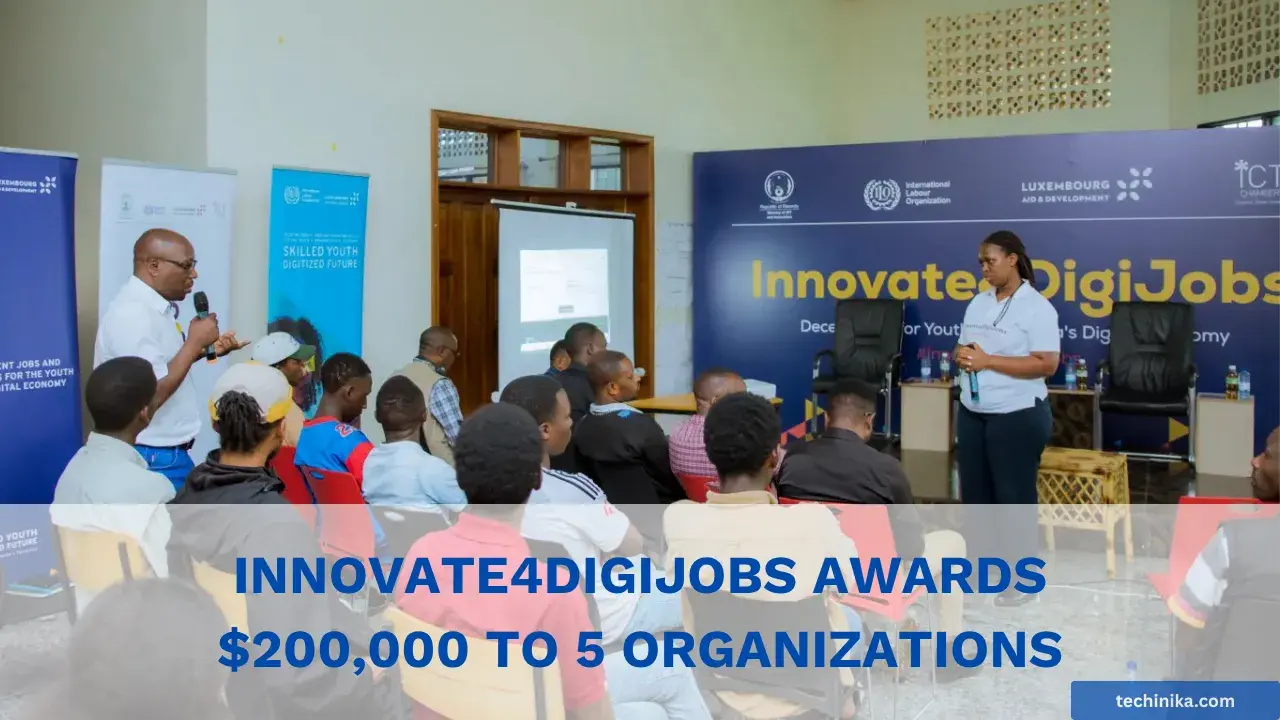
After weeks of intensive bootcamp training and refining their ideas, five organizations have emerged victorious from the Innovate4DigiJobs 2025 challenge, collectively receiving $200,000 to implement innovative solutions that will create digital jobs for Rwandan youth. The awarding ceremony at Hanga Pitchfest showcased solutions distinguished by their clarity, creativity, and potential for transformative impact.
The Five Winners
According to the Rwanda ICT Chamber, each winning team is now stepping into the implementation phase, where their ideas will move from plans to action. The projects are designed to be scalable, inclusive, and deeply connected to community needs, addressing critical barriers to youth employment in Rwanda's rapidly expanding digital economy.
Understanding Innovate4DigiJobs
Innovate4DigiJobs is an innovation challenge launched by the International Labour Organization (ILO) in partnership with the Rwanda ICT Chamber and the Government of Luxembourg. The initiative stems from ILO's larger project, "Boosting Decent Jobs and Enhancing Skills for Youth in Rwanda's Digital Economy," which began in January 2024.
According to Family Magazine, the initiative was born from the persistent challenge of youth unemployment in Rwanda. Ineza Aulolie, the project lead from Rwanda ICT Chamber, explained: "Statistics show that although many youths pursue education, they still struggle to find jobs. On the other hand, entrepreneurs often lack capital to grow their businesses. We believe that by supporting entrepreneurs financially, they can, in turn, employ more young people."
The challenge awarded USD $200,000 in total grants to 5-7 innovative solutions from Business Development Services providers, TVET institutions, cooperatives, and social enterprises. These organizations work on digital skills development and decent job creation for youth across nine districts: Huye, Kayonza, Musanze, Gasabo, Nyagatare, Nyarugenge, Rubavu, Ruhango, and Rusizi.
The Journey: From Application to Implementation
Launched officially in June 2025 with an application deadline of June 27, Innovate4DigiJobs invited proposals addressing two thematic areas: skills for decent jobs in the digital economy, and business development services for entrepreneurs. Alex Ntale, CEO of the Rwanda ICT Chamber, emphasized at the launch: "Innovate4DigiJobs is not just about winning a competition—it's about the impact we're targeting. If your passion is about changing lives, not just chasing profits, we want to make sure you're not left behind."
Selected applicants entered an intensive bootcamp where they refined their business models, learned implementation strategies, and prepared comprehensive pitches. According to the ICT Chamber's announcement, this period involved teamwork, iterative refinement of ideas, and mentorship from industry experts, culminating in the final pitching session that determined the winners.
Fatima Elsanousi Sirelkhatim, ILO Project Manager, stated during the launch: "It is vital to ensure no one is left behind. As we build a digital future, we must also build bridges that ensure everyone can be part of it." This inclusive approach guided the entire selection process, ensuring that winning projects serve underserved communities and create pathways for marginalized youth.
First-Year Impact and Momentum
Even before the Innovate4DigiJobs challenge winners were announced, ILO's broader project had already achieved significant milestones. According to the ILO's first-year report, 32 trainers from Business Development Services, government institutions, and unions completed Training of Trainers workshops in ILO's Start and Improve Your Business and Digitalize Your Business methodologies.
Three partners committed to training a combined 725 entrepreneurs in 2025: Business Development Fund (425 entrepreneurs in Musanze, Muhanga, Rusizi, Ruhango), Hanga Hubs (125 entrepreneurs in Muhanga, Rubavu, Rusizi), and Imanzi Business Institute (175 entrepreneurs in Rubavu, Musanze, Huye). Additionally, more than 700 youth in Rusizi, Musanze, and Huye have already benefited from digital skills training through the initiative.
Brave Ngabo, Permanent Secretary at the Ministry of Youth and Arts, urged innovators during the launch: "It would be unfortunate to have digital skills and apply them in the wrong way. Innovate4DigiJobs paves a meaningful path for young people to leverage their digital talents the right way. The name speaks volumes—it's about pushing boundaries to create jobs through digital innovation. We've invested in infrastructure; now it's time to invest in people."
From Plans to Action: What Happens Next
With funding now secured, the five winning organizations enter the critical implementation phase. According to the ICT Chamber, projects are expected to be sustainable initiatives lasting five to ten years, not short-term interventions. The goal is to help institutions expand their reach—if they currently mentor 20 young people, the funding should enable them to reach 50, and across more districts.
Each winner will receive technical support alongside financial resources, ensuring that ideas translate effectively into scalable, measurable impact. The projects will be monitored against specific employment creation targets, digital skills acquisition metrics, and community reach indicators, aligning with Rwanda's broader digital transformation strategy and the National Strategy for Transformation (NST2).
Dr. Habimana Alphonse, Director of Kigali Excellent Tourism and Hospitality Academy, who welcomed the initiative when it launched, noted: "We sometimes lack the tools necessary to train youth effectively. This project will help us increase our capacity, improve our programs, and connect students to the job market more efficiently." His observation captures the systemic challenge that Innovate4DigiJobs addresses—not just individual unemployment, but institutional capacity to prepare youth for digital economy demands.
The ICT Chamber concluded its winners' announcement with gratitude: "Congratulations to all the winners, and thank you to every participant who contributed their voice, passion, and innovation to the #Innovate4DigiJobs journey." While only five received funding, the challenge engaged numerous organizations across Rwanda, sparking broader conversations about youth employability and digital skills development that will continue influencing national policy and private sector investment.
As Rwanda accelerates its ambition to become a knowledge-based economy, initiatives like Innovate4DigiJobs represent critical bridges between education, innovation, and employment. The five winning organizations now carry the responsibility—and opportunity—to demonstrate that with the right support, Rwandan youth can not only participate in the digital economy but lead its transformation.
If you enjoyed this article, follow us on WhatsApp for daily tech updates. If you have an idea, need to be featured or need to partner, reach out to us at editorial@techinika.com or use our contact page.
Don't let the story end here.
Share your thoughts, ask questions, and connect with the community.

Cishahayo Songa Achille
Chief EditorCishahayo Songa Achille is a Rwandan software engineer and tech entrepreneur focused on democratizing digital skills. He is best known as the Founder and Managing Director of Techinika, an edtech firm established in 2020 to make complex technological advances accessible to the general public and build solutions for the biggest problems.
View all articles by Cishahayo Songa Achille →Up Next
Hanga Pitchfest Announces Top 45 Startups for 2026 EditionBy Cishahayo Songa Achille • 5 min read