How the Internet Actually Works: Myths & Questions People Have
AI Quick Summary
- The internet is a globally distributed network with no central control point or "kill switch," designed to reroute data around failures and remain resilient.
- When popular services like Facebook or Google are "down," it signifies an outage of that specific platform, not the entire internet infrastructure.
- Internet Service Providers (ISPs) charge users for access to their network infrastructure to send and receive data, acting as a delivery service.
- Website owners earn revenue through separate business models (e.g., advertising, subscriptions) and pay for hosting services, independently of user payments to ISPs.
- Your data bundle pays for the right to transport a certain amount of information through your ISP's network, not for the content itself.
Throughout late 2025, significant outages in centralized cloud services highlighted how reliance on a few providers can disrupt user access to popular platforms, despite the internet's underlying resilience.
Many people believe the internet is mysterious, controlled by a few powerful companies, or could be "shut down" with a single switch. The reality is far simpler—and more resilient. Here's what you need to know about how the internet actually works.
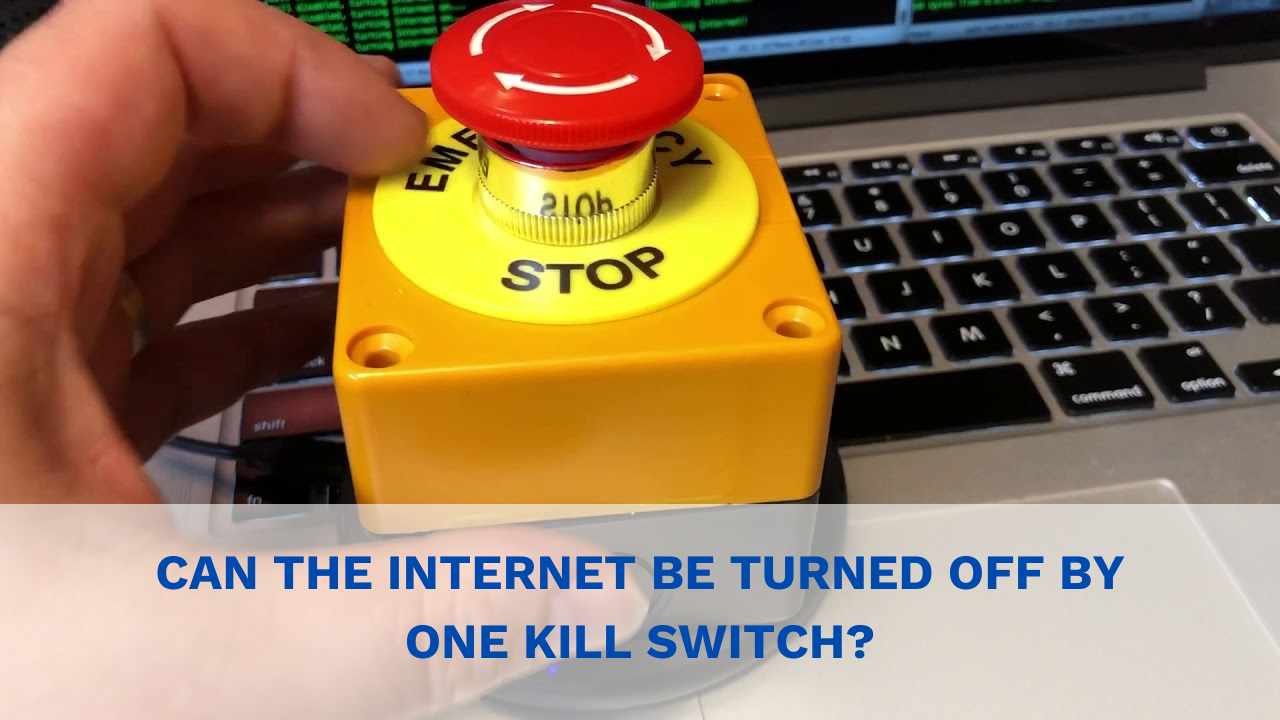
There Is No Internet Kill Switch
The internet cannot be killed unless all communication is cut everywhere simultaneously. Why? Because the internet is simply an interconnection between servers in different places holding different data. The internet is a global network of billions of computers and other electronic devices that allows access to information and communication from anywhere with an internet connection.
Think of it like a road network. You can close one highway, but traffic reroutes through other roads. To stop all travel, you'd need to destroy every road simultaneously, which is nearly impossible on a global scale. The internet works the same way. Tt's designed to route around damage and find alternative paths.
When People Say "The Internet Is Down"
When Facebook, Instagram, Google, or WhatsApp goes down, many people say "the internet is down." But that's not accurate. What's actually down is one service or platform, not the entire internet.
These platforms dominate so much of people's online lives that their absence feels like the internet itself disappeared. But millions of other websites, services, and connections continue working perfectly fine. Your email still works. News sites still load. Other apps still connect.
When big platforms go down, it reveals how centralized our internet experience has become, even though the underlying internet infrastructure remains distributed and resilient.
How Internet Service Providers (ISPs) Actually Work
ISPs are like toll road operators. They build and maintain the infrastructure; cables, routers, cell towers; all that connects your device to the broader internet. When you pay for internet access, you're paying to use their infrastructure to send and receive your data.
Your ISP doesn't pay website owners for your traffic. Your ISP doesn't receive payment from websites you visit. These are completely separate business models operating independently.
Myth: Do Website Owners Get Paid from My Data Bundle?
Reality: No. Website owners have no connection to your ISP payment. Here's how the money actually flows:
Your Payment to ISP: You pay your ISP (like MTN, Airtel, or your cable company) for access to their network infrastructure. This money stays with the ISP to maintain their equipment, pay their staff, and generate profit.
Website Revenue: Websites make money through completely different means. Advertising, subscriptions, selling products, or other business models that don't involve your ISP at all.
It's like paying for electricity versus paying for appliances. Your electric company gets paid for delivering power to your home. Appliance manufacturers make money by selling you devices. These are separate transactions even though you use electricity to run those appliances.
How Servers Actually Connect
The internet is literally inter-connection between networks. According to Vox's internet explainer, when you send data from your computer, it travels through your ISP's network to an Internet Exchange Point (IXP), where different networks meet and exchange traffic.
From there, your data routes through whichever networks offer the fastest or most efficient path to reach the destination server. This happens automatically through protocols like BGP (Border Gateway Protocol), which determines the best routes for data to travel.
No central authority decides these routes. Networks cooperate based on mutual agreements (called peering) to exchange traffic. This decentralized decision-making is why the internet is so resilient.
What Your Data Bundle Actually Buys
When you buy 5GB of mobile data, you're buying the right to send and receive 5GB of information through your mobile carrier's network infrastructure. That's it. You're not paying for content, websites, or apps, just the transportation.
Think of it like buying a train ticket. The ticket gives you access to the railway system, but doesn't pay for the shops at your destination. Similarly, your data bundle pays for network access, not for YouTube videos, Instagram photos, or news articles.
- ISP gets: Your monthly internet fee or data bundle payment
- YouTube gets: Ad revenue when you watch videos (if ads play)
- Content creators get: A share of that ad revenue from YouTube
- None of these parties share money with each other based on your data usage
Where Website Owners Do Pay Money
Website owners pay for hosting services; companies that maintain servers where website files are stored. Hosting costs vary from a few dollars per month for small sites to thousands for large platforms.
These hosting companies themselves pay for electricity, internet connectivity (yes, servers need internet connections too!), and physical infrastructure. But again, this is separate from what you pay your ISP.
The internet seems mysterious because it's invisible and we can't see the cables, routers, and data centers that make it work. But once you understand the basic principles, there's no magic:
- It's just computers talking to other computers. Your phone is a computer. A website server is a computer. They exchange information using agreed-upon rules (protocols).
- ISPs are middlemen providing infrastructure. They connect your device to the global network. You pay them for this access.
- Websites and apps run on servers somewhere. Those servers are maintained by hosting companies, paid for by website owners.
- Everyone has separate business models. Your ISP payment, website advertising revenue, and content creator earnings are completely independent income streams.
Why the Internet Is So Resilient
The internet was originally designed by the U.S. Department of Defense to survive nuclear attacks. ARPANET, the internet's predecessor, was built with redundancy—multiple paths for data to travel so that if one route failed, others would work.
That design philosophy continues today. Data automatically reroutes around failures. If an undersea cable breaks, traffic shifts to satellite or other cable routes. If one data center goes offline, others pick up the load.
This redundancy is why truly "breaking" the internet would require simultaneously destroying infrastructure across the entire planet, essentially impossible.
As many people would think, the internet is not mysterious. It's not controlled by a few companies. It can't be "turned off" with a switch. It's a cooperative network where thousands of organizations agree to exchange traffic, allowing your device to connect with servers worldwide.
You pay ISPs for infrastructure access. Website owners pay hosting companies for server space. Revenue models are separate. Content flows freely because everyone cooperates to make the system work.
Understanding these basics demystifies the internet. It's not magic, it's engineering. Really good, resilient, distributed engineering that has transformed how humanity communicates, learns, and does business.
Now when someone asks "how does the internet work?" or "do websites get paid from my data bundle?" you know the real answer.
If you enjoyed this article, follow us on WhatsApp for daily tech updates. If you have an idea, need to be featured or need to partner, reach out to us at editorial@techinika.com or use our contact page.
Don't let the story end here.
Share your thoughts, ask questions, and connect with the community.

Cishahayo Songa Achille
Chief EditorCishahayo Songa Achille is a Rwandan software engineer and tech entrepreneur focused on democratizing digital skills. He is best known as the Founder and Managing Director of Techinika, an edtech firm established in 2020 to make complex technological advances accessible to the general public and build solutions for the biggest problems.
View all articles by Cishahayo Songa Achille →