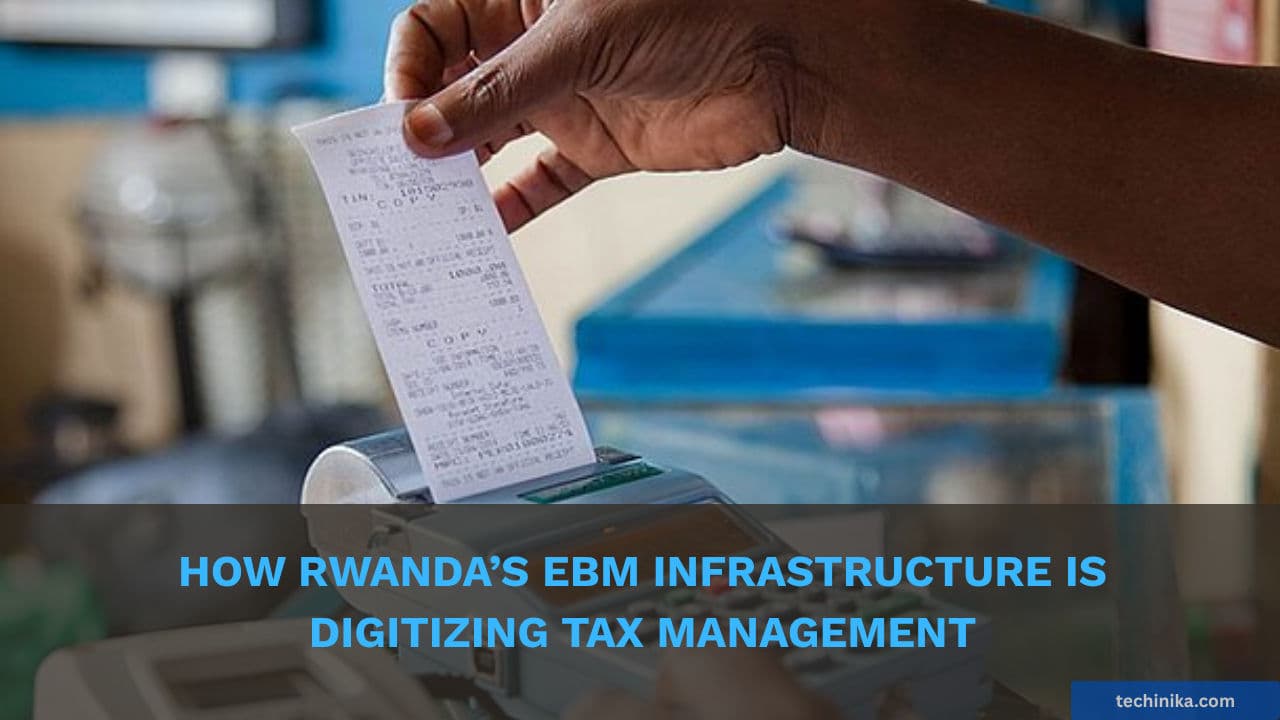
How Rwanda’s EBM Infrastructure is Digitizing Tax Management
AI Quick Summary
- Rwanda has transformed manual tax compliance into a seamless, high-tech infrastructure using its Electronic Billing Machine (EBM) system.
- EBM 2.0, launched in 2017, is a locally engineered, software-based system compatible with various devices, replacing expensive proprietary hardware.
- The system integrates tax compliance directly into business workflows, providing real-time data, enabling operations during internet outages, and streamlining VAT filing from hours to clicks.
- EBM acts as a national digital ledger, tracking goods from customs to final sale and serving as an internal control tool for inventory.
- Rwanda is exporting its EBM software, with Madagascar becoming the fifth nation to adopt the system on March 30, 2026, joining Kenya, Uganda, Zambia, and Chad.
Implementation of the EBM system in Madagascar is now underway following the agreement signed on March 30, 2026.
In the traditional tax world, compliance is often a manual, high-friction chore. For many businesses, the gap between recording a sale and accurately declaring it is where errors happen, as paper ledgers and manual entries fail to keep pace with modern commerce.
Rwanda has solved this by turning tax compliance into a seamless, high-tech infrastructure. Using sophisticated software architecture and real-time data synchronisation, the Electronic Billing Machine (EBM) system has moved beyond being a mere "tax tool" to become a fundamental pillar of the nation’s digital economy
Engineering a National Ledger
The Electronic Billing Machine (EBM) is a sophisticated software-based ecosystem developed by the Rwanda Revenue Authority (RRA) to digitize the nation's commercial heartbeat. While introduced in 2013 to modernize VAT collection via mandatory hardware, the 2017 launch of EBM 2.0 triggered a technical revolution.
This locally engineered shift replaced expensive, proprietary equipment with a flexible software model compatible with nearly any computing device.
By migrating system intelligence from physical SIM-card boxes to a cloud-integrated layer, the RRA transformed the EBM into a central, real-time ledger. This allows businesses to instantly bridge the gap between physical sales and digital records, turning a tax requirement into shared digital infrastructure.
This evolution has solidified Rwanda's reputation as a continental leader in fiscal tech, providing a blueprint for bridging the VAT gap through digital transformation.
The Architecture of Transparency
EBM 2.0 replaces manual bookkeeping by integrating tax compliance into the business workflow, transforming a regulatory requirement into a seamless operational asset.
Total Hardware Inclusivity: The natively cross-platform EBM 2.1 architecture runs on Windows and Android (smartphones and rugged PDAs), ensuring the "ledger" exists everywhere from corporate offices to loading docks.
Decoupled Architecture (CIS & VSDC): By splitting the system into a Certified Invoicing System (CIS) for input and a Virtual Sales Data Controller (VSDC) "brain," the architecture enables asynchronous syncing; allowing for valid receipt even during internet outages.
The "Digital Thread": By interfacing with the Electronic Single Window, the EBM tracks goods from customs to the final sale, transforming tax data into a real-time internal control tool for inventory management.
USSD & Low-Data Integration: By utilizing USSD triggers (*800#) for security handshakes, the architecture removes the need for high-end data connections, allowing micro-merchants to be formalized via any mobile network.
Streamlined Compliance: By automating the flow of data directly into tax annexures, this integrated structure reduces VAT filing from dozens of hours to just a few clicks.
Exporting Rwandan Innovation
Rwanda’s EBM infrastructure has turned the country into a continental technology vendor, exporting Sovereign Code.
Regional Expansion: On March 30, 2026, the RRA signed a landmark agreement with Madagascar, making it the fifth nation to adopt Rwanda’s EBM software. Alongside Kenya, Uganda, Zambia, and Chad, this locally engineered framework has become the regional standard for fiscal transparency and continental technology transfer.
Knowledge as a Service: The impact of this "Government-as-a-Service" (GaaS) model is evidenced by the continuous flow of international interest. Rwanda regularly receives between 20 and 30 delegations seeking to learn from the nation's experience in building and scaling this technical framework.
While many countries still rely on traditional Electronic Fiscal Devices requiring expensive hardware and maintenance, Rwanda’s software-first, hardware-agnostic EBM model eliminates financial barriers for everyone from corporate enterprises to neighborhood traders.
This resilient, distributed system does more than collect revenue; it mirrors global efforts in Sweden, Germany, and Ethiopia to combat tax evasion through specialized technical specifications. By allowing users to seamlessly adopt or integrate the framework with existing invoicing systems, Rwanda protects its digital borders while fostering economic growth.
Joining this ecosystem transcends mere compliance, enabling participation in a transparent, unified economy where every high-tech transaction contributes to national development.
If you enjoyed this article, follow us on WhatsApp for daily tech updates. If you have an idea, need to be featured or need to partner, reach out to us at editorial@techinika.com or use our contact page.
Don't let the story end here.
Share your thoughts, ask questions, and connect with the community.

Kellycie Bayingana
AuthorPassionate about the intersection of technology and storytelling. I am committed to uncovering and sharing the most compelling startup narratives from across Rwanda for Techinika.
View all articles by Kellycie Bayingana →