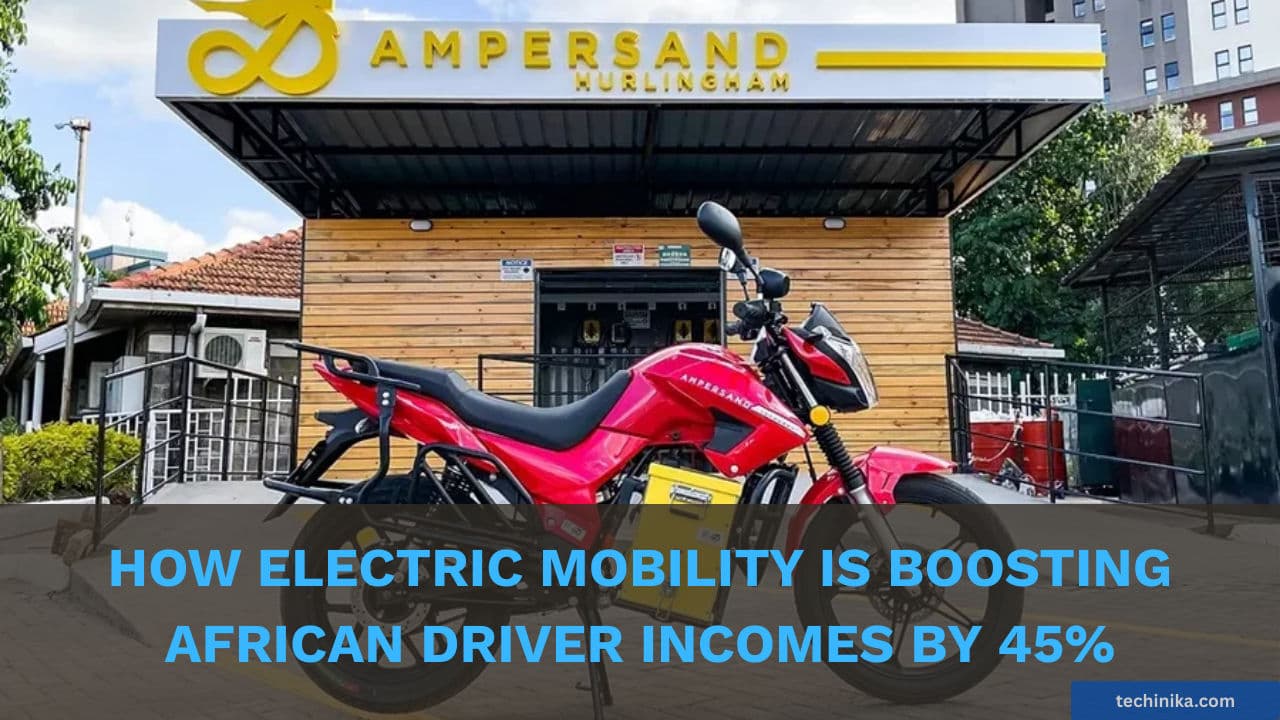
How this Electric Mobility Startup is Boosting African Driver Incomes by 45%
AI Quick Summary
- Ampersand, a Kigali-based clean energy-tech firm, is transforming African urban transport with electric motorcycle taxis by offering energy as a scalable service.
- Founded in 2016, the company focuses on "Made in Africa" technology, including East Africa’s first lithium-ion battery assembly facility.
- Their ecosystem features high-performance Alpha e-motos, a rapid battery-swap network, and an AI-powered AmperOps software for efficient monitoring and maintenance.
- This approach significantly boosts drivers' net income by 45% and reduces lifecycle emissions by 75%, contributing to cleaner air and economic growth.
- Ampersand is evolving into a universal energy platform for African transport, opening its battery-swap network to third-party manufacturers and aiming to power five million vehicles, supported by major global partnerships.
Since the article was written (which is set in the future), Ampersand has secured substantial additional funding, expanded its operations, and continued to solidify its open battery-swap network and partnerships with companies like BYD, with aims for significant East African market penetration.
The motorcycle taxi is the heartbeat of African urban transport, yet for decades, it has remained tethered to volatile fuel prices and high emissions. Ampersand, a Kigali-based clean energy-tech firm, has rewritten this narrative. By treating energy as a scalable service rather than a hardware product, the company has built a vertically integrated ecosystem that makes electric mobility not just a sustainable choice, but the most profitable one for the continent's millions of commercial drivers.
A Mission Rooted in Economic Reality
Founded in 2016 by Josh Whale and Alp Tilev, Ampersand was established to address a critical disconnect. While the demand for transport was surging, the costs of petrol were trapping drivers in a cycle of low earnings. The company’s vision was to "leapfrog" traditional internal combustion engines, moving directly to a localized digital energy infrastructure.
After years of experience researching low-cost EV ecosystems in China, Josh whales realized that the secret wasn't just in the bike; it was in the battery. This led Ampersand to open East Africa’s first lithium-ion battery assembly facility, ensuring that their technology was "Made in Africa" for African conditions.
Smart Energy-as-a-Service
Ampersand’s impact is driven by a proprietary technological stack that functions more like a smart grid than a traditional vehicle manufacturer.
- High-Performance Hardware: The company’s flagship e-moto, the Alpha, is engineered to outperform petrol 125cc bikes in torque and durability, carrying loads up to 200kg across Kigali’s hills.
- The Battery-Swap Network: To eliminate "range anxiety" and high upfront costs, Ampersand pioneered a swap system. Drivers exchange depleted batteries for fully charged ones in under two minutes at a network of automated stations.
- AmperOps Software: Behind every swap is a sophisticated AI platform. AmperOps monitors over 50 data points; including temperature, capacity, and location; every five seconds. This predictive maintenance extends battery life and ensures a seamless "Android-style" experience for the user.
Driving Social and Environmental Change
The shift to Ampersand’s energy-tech platform has delivered measurable results across the East African transport sector. Major international outlets, including The Wall Street Journal and BBC, have highlighted the company’s role in transforming urban air quality and household economics.
- Wealth Creation: By switching to electric, drivers increase their daily net income by 45%. This results in an average annual saving of over $600 per driver, directly supporting local households.
- Environmental Impact: Ampersand's e-motos produce 75% less lifecycle emissions than petrol equivalents. With a fleet that has covered millions of kilometers, the firm is a key partner in Rwanda’s goal to decarbonize its commercial transport sector.
- Linguistic and Cultural Integration: The firm’s service model is built on the spirit of "customer-centricity," utilizing local languages and intuitive digital interfaces to ensure that even drivers with limited digital literacy can navigate the energy network with ease.
In a landmark move for the industry, Ampersand has recently opened its battery-swap network to third-party manufacturers. This strategic pivot transforms Ampersand from a vehicle company into the universal energy platform for African transport. Backed by partnerships with global giants like BYD and major funding from the Rwanda Green Fund and British International Investment (BII), the company is now scaling toward a goal of powering five million vehicles. For Ampersand, the future is clear; when energy is clean, affordable, and accessible, everyone wins.
If you enjoyed this article, follow us on WhatsApp for daily tech updates. If you have an idea, need to be featured or need to partner, reach out to us at editorial@techinika.com or use our contact page.
Don't let the story end here.
Share your thoughts, ask questions, and connect with the community.

Kellycie Bayingana
AuthorPassionate about the intersection of technology and storytelling. I am committed to uncovering and sharing the most compelling startup narratives from across Rwanda for Techinika.
View all articles by Kellycie Bayingana →Up Next
Hanga Pitchfest Announces Top 45 Startups for 2026 EditionBy Cishahayo Songa Achille • 5 min read