Africa’s Data Center Boom Is Creating a New Problem: Power, Water and Sustainability
AI Quick Summary
- Africa's digital infrastructure is rapidly expanding, leading to a significant increase in data center demand across the continent.
- Despite currently holding a small fraction of global capacity, Africa's data center electricity demand is projected to rise from 0.4 GW to 2.2 GW by 2030.
- This growth raises critical concerns about the substantial electricity and water consumption required for data center operations and cooling.
- South Africa, which hosts about 70% of Africa's data center capacity, is already experiencing civil society concerns regarding resource use.
- Sustainable development is essential, requiring integrated planning of data centers with renewable energy, efficient cooling technologies, and greater transparency in resource consumption.
Africa is building the digital infrastructure needed for AI, cloud computing and online services. But as data centres expand, a difficult question is becoming harder to ignore: how much electricity and water will this digital future require?
Africa’s Data Centre Demand Is Rising
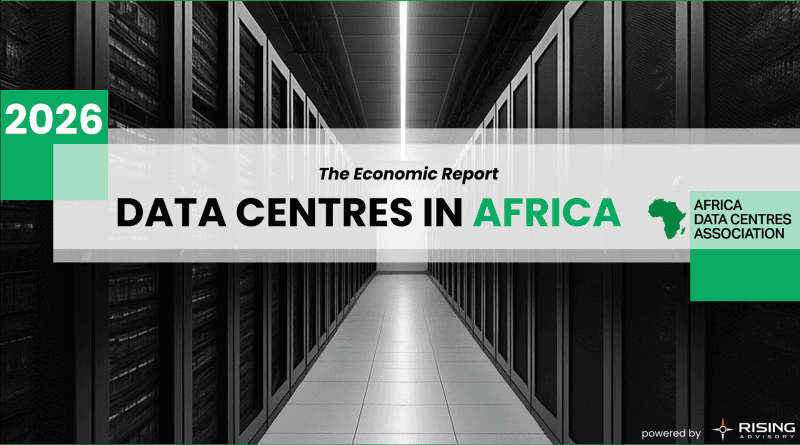
Africa currently accounts for only about 0.6% of global data centre capacity, despite being home to roughly one-fifth of the world’s population. The African Data Centres Association estimates that the continent has about 360 MW of live capacity, with another 238 MW under construction and 656 MW planned.
Demand is expected to grow quickly. The World Economic Forum says African data centre electricity demand could rise from around 0.4 GW to 2.2 GW by 2030, driven partly by AI and growing digital services.
That creates an opportunity for countries investing in cloud infrastructure and digital economies. But it also puts pressure on already-constrained power systems.
The Power Problem Is Only Part of the Story
Data centres need electricity around the clock to keep servers running and systems available. They also need cooling because computing equipment generates significant heat.
This makes the energy source important. A data centre powered mainly by fossil fuels can increase emissions, while unreliable electricity can force operators to depend on backup generation.
Water is another concern. Cooling systems can consume substantial amounts of water, while the electricity supplying a facility can also have an indirect water footprint.
The issue is becoming particularly visible in South Africa, which hosts around 70% of Africa’s data centre capacity. Civil society groups are now raising concerns about the sector’s use of electricity, water and land as new facilities are planned.
Africa Needs Sustainable Digital Infrastructure
The answer is not to stop building data centres. Africa needs more local computing capacity to support businesses, governments, AI and digital services.
The bigger challenge is making that growth sustainable.
Countries will need to plan data centres, electricity generation, water systems and digital infrastructure together. Renewable energy, more efficient cooling technologies and greater transparency around resource consumption could help reduce the environmental pressure.
Africa’s data centre boom could become a foundation for the continent’s digital economy. But if the infrastructure powering the digital future puts too much pressure on basic resources, the cost of that progress could become difficult to ignore.
Source: https://africadca.org/en/data-centres-in-africa-2026-the-economic-report
If you enjoyed this article, follow us on WhatsApp for daily tech updates. If you have an idea, need to be featured or need to partner, reach out to us at editorial@techinika.com or use our contact page.
Don't let the story end here.
Share your thoughts, ask questions, and connect with the community.

ISHIMWE Jean Claude
AuthorA technology writer at Techinika, exploring digital innovation and emerging technology trends across Africa. Dedicated to translating complex ideas into meaningful narratives.
View all articles by ISHIMWE Jean Claude →Up Next
Could Rwanda Become Part of Africa’s Emerging Chip Industry?By ISHIMWE Jean Claude • 3 min read