Why Your Security Camera is Actually a Vulnerable Computer
AI Quick Summary
- Genetec issued an urgent advisory to African organizations in South Africa, Nigeria, and Kenya regarding a "Shadow Data" crisis.
- This crisis stems from the modernization of security systems (smart gates, AI surveillance, cloud access control) inadvertently creating new, unguarded cybersecurity vulnerabilities.
- The company stressed that physical security and cybersecurity are now intrinsically linked and must be managed as a single discipline.
- Three main risks identified include unpatched "Little Computer" vulnerabilities in IP cameras, data sovereignty issues with cloud storage, and the unsecured deployment of AI surveillance tools.
- Genetec proposes solutions through a Unified Security Architecture, advocating for Privacy-by-Design, cyber-hardening legacy infrastructure, and Zero Trust Device Authentication.
Following this advisory, Genetec continued to emphasize unified physical-cyber security in Africa at Intersec 2026, with further reports confirming escalating cyber risks and significant talent gaps in the region.
Genetec Inc. has issued an urgent advisory for organizations across Africa, delivered by Firas Jadalla, Regional Director for Middle East, Turkey, and Africa, and Andrew Elvish, Vice-President of Marketing. Their warning centers on a dangerous paradox.
As South Africa, Nigeria, and Kenya modernize with smart gates, AI surveillance, and cloud access control, they are inadvertently creating a "Shadow Data" crisis; every new connected device is a new vulnerability, and most are unguarded. Genetec's message is that physical security and cybersecurity are now the same discipline.
Who Is Genetec?
Genetec is the software "brain" of modern security. Rather than manufacturing physical hardware like cameras or card readers, this Canadian company; a pioneer for over 25 years, provides the IP-based software that unifies them. Their flagship platform, Security Center, bridges the gap between hardware and digital intelligence, allowing airports, smart cities, and enterprises to manage video, access control, and license plate recognition through one encrypted interface.
By overseeing data for thousands of high-stakes environments, Genetec gains a unique perspective on vulnerabilities, basing their industry guidance on insights from 7,368 security professionals worldwide.
The Three Pillars of Physical-Cyber Risk
Genetec's advisory identifies three specific failure points that are putting regional organizations at disproportionate risk:
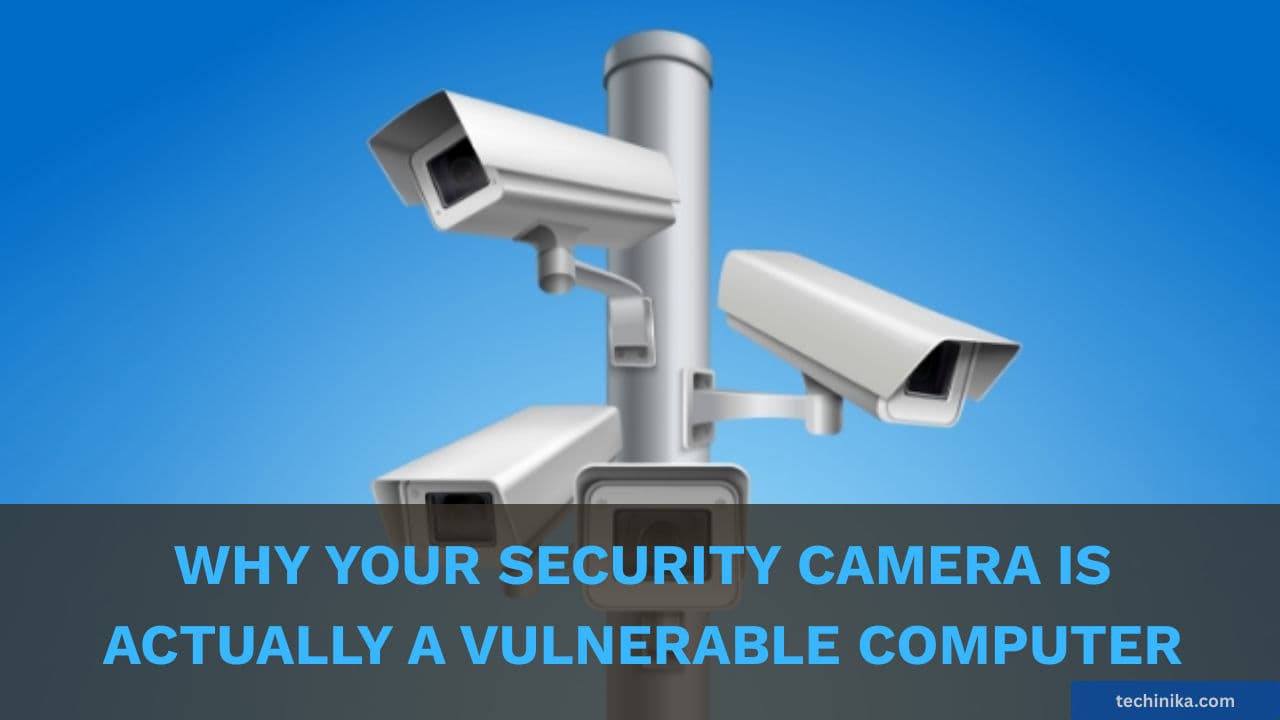
- The "Little Computer" Vulnerability: Every modern IP camera is a networked computer with its own IP address and OS; not just a lens. Left unpatched, it becomes an open portal for hackers to enter a network and move laterally into financial systems or critical infrastructure.
- The Data Sovereignty Paradox: As organizations rush to the cloud, sensitive biometric footage often travels to servers on other continents, placing data under foreign legal jurisdictions. Genetec advocates for hybrid-cloud models to maintain regional data control.
- The AI "Hype" Trap: Many organizations deploy AI surveillance tools without the encryption or governance to protect the data they generate; and that gap creates significant new risks.
Actionable Resilience
Genetec doesn't just identify risks; they prescribe solutions through a Unified Security Architecture:
- Privacy-by-Design: Tools automatically anonymize faces and encrypt video at the source. If data is intercepted in transit, it remains useless to attackers.
- Cyber-Hardening Legacy Infrastructure: Genetec's software 'wraps' legacy devices in a secure digital envelope; extending their lifespan while eliminating vulnerabilities.
- Zero Trust Device Authentication: Moving beyond perimeter security, every device; from door sensors to cameras; must be continuously verified. Trust is never assumed; it is always earned.
The Convergence of Disciplines
Physical security and cybersecurity are no longer separate disciplines; they are the same problem. For African organizations mid-transformation, the window to build security in is narrowing. Every unprotected device widens the attack surface; every unencrypted biometric dataset is a liability waiting to be exploited.
As Andrew Elvish, Vice President of Marketing at Genetec noted;
‘’The most pressing challenge in our industry right now is cybersecurity. We continue to see a real gap between how IT teams manage cyber-risk and how physical security systems are deployed. Too often, critical devices run on outdated software, weak credentials, or inconsistent patching routines. For an industry that sits so close to core infrastructure and sensitive data, that gap is a problem.’’
If you enjoyed this article, follow us on WhatsApp for daily tech updates. If you have an idea, need to be featured or need to partner, reach out to us at editorial@techinika.com or use our contact page.
Don't let the story end here.
Share your thoughts, ask questions, and connect with the community.

Kellycie Bayingana
AuthorPassionate about the intersection of technology and storytelling. I am committed to uncovering and sharing the most compelling startup narratives from across Rwanda for Techinika.
View all articles by Kellycie Bayingana →