The State of Artificial Intelligence: Investments, Progress, and Challenges
AI Quick Summary
- By early 2026, Artificial Intelligence has transitioned from hype to deep industrial integration, automating workflows and powering predictive decision-making across global industries.
- Massive capital investments are flowing into AI infrastructure, including OpenAI's $500 billion "Stargate" data center project and government-subsidized "Sovereign AI" initiatives worldwide.
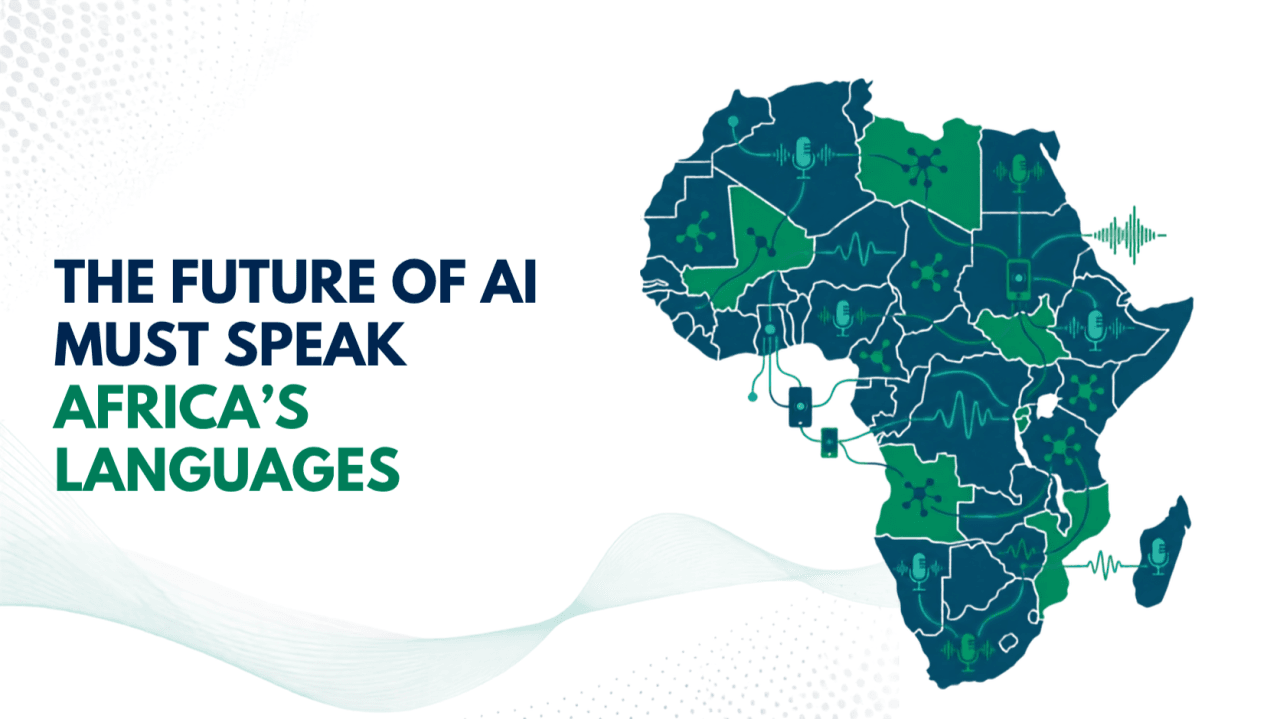
- Africa is becoming a significant hub for AI, with Rwanda launching the continent's first AI Scaling Hub focused on local language models for healthcare, agriculture, and education.
- The "Year of Truth" brought notable AI failures, such as the discontinuation of the Humane AI Pin and the insolvency of Builder.ai due to alleged misrepresentation of capabilities.
- Apple, struggling with its in-house AI, partnered with Google in early 2026 to integrate Gemini into Siri, signaling the challenges in developing advanced frontier models.
Real-world reports from early 2024 foreshadowed the article's predictions, with Apple exploring a Gemini partnership for Siri and discussions emerging about a massive OpenAI supercomputing project akin to "Stargate."
As of early 2026, Artificial Intelligence (AI) has moved beyond the "hype" phase and into a period of deep industrial integration. It is reshaping global industries by automating complex workflows and powering predictive decision-making. However, while governments and tech giants are pouring billions into infrastructure, a series of high-profile failures serves as a reminder that the path to a fully AI-integrated world is fraught with technical and ethical hurdles.
Major AI Investments and Infrastructure
The scale of capital flowing into AI has reached unprecedented levels, with a shift toward physical infrastructure and regional sovereignty:
- OpenAI’s “Stargate” Expansion: In a landmark public-private partnership, OpenAI, SoftBank, and Oracle have progressed on the $500 billion Stargate initiative. This multi-year project is building massive 10-gigawatt data centers to provide the specialized compute power required for the next generation of reasoning models.
- Global Startup Resilience: Despite a tighter venture market, leaders like OpenAI and xAI have secured funding rounds valued in the tens of billions, while "Sovereign AI" initiatives in Europe and Asia are receiving heavy government subsidies to reduce dependency on Silicon Valley.
- Rwanda’s AI Scaling Hub: In a major win for the African market, Rwanda has officially launched the continent’s first AI Scaling Hub. Supported by a $17.5 million investment from the Bill & Melinda Gates Foundation, the hub is focused on "Sovereign AI"; localizing large language models for Kinyarwanda and other regional languages to improve health, agriculture, and public service delivery.
AI Success Stories and African Use Cases
AI is delivering measurable value by solving sector-specific problems in emerging markets:
- Healthcare: In Rwanda, AI-driven telemedicine platforms can now allow rural patients to receive diagnostic support via SMS and voice in their local language, bridging the gap created by a shortage of specialists.
- Agriculture: Smart advisory systems can now help African farmers combat climate unpredictability by providing real-time guidance on soil health and pest control directly to feature phones.
- Education: AI-powered learning clouds are being deployed across East Africa to provide adaptive, personalized tutoring for primary students, focusing on improving literacy in native languages.
Notable AI Failures and Market Corrections
The "Year of Truth" has also brought significant setbacks for companies that over-promised on AI's capabilities:
- The Fall of the AI Pin: Humane Inc., once a pioneer in AI wearables, faced a total market collapse. The AI Pin was discontinued in 2025 after widespread reports of poor performance. Most of the company’s assets were recently offloaded to HP for a fraction of its original valuation.
- The Builder.ai Insolvency: In one of the most significant collapses of 2025, Builder.ai entered insolvency. Investigations revealed the company had allegedly misrepresented its AI's capabilities and inflated sales figures, serving as a cautionary tale against "AI-washing" in the startup ecosystem.
- Apple’s Pragmatic Reset: After struggling to build a competitive in-house model, Apple has shifted its "Apple Intelligence" strategy. In early 2026, Apple announced a multi-year partnership with Google to use Gemini to power the next generation of Siri, a move seen by many as a $1 billion admission of the difficulty in building frontier models.
Looking Ahead
The success of AI in 2026 and beyond will be measured by its reliability and ethical grounding rather than its novelty. For the African market, the focus is shifting toward data sovereignty and agentic AI systems that don't just chat, but actually execute tasks like processing a tax return or managing a supply chain.
As we move forward, the lessons from recent failures remind us that AI is a tool, not a miracle. Success requires a balance of massive infrastructure investment and granular, locally-relevant governance.
If you enjoyed this article, follow us on WhatsApp for daily tech updates. If you have an idea, need to be featured or need to partner, reach out to us at editorial@techinika.com or use our contact page.
Don't let the story end here.
Share your thoughts, ask questions, and connect with the community.

Mwiza Zamda
AuthorA technology writer at Techinika with an interest in digital innovation and emerging trends in Africa.
View all articles by Mwiza Zamda →