Elon Musk's xAI Hires Nvidia Researchers to Build 'World Models' for Gaming and Robotics
AI Quick Summary
- xAI has recruited AI researchers from Nvidia to develop advanced "world models," AI systems capable of understanding and simulating the physical world.
- World models represent a significant advancement, allowing AI to predict outcomes, understand cause and effect, and generate realistic simulations for various applications.
- This technology is crucial for applications in gaming, robotics, autonomous vehicles, and augmented reality.
- xAI plans to launch an AI-generated video game by 2026 to demonstrate the practical capabilities of these world models.
- The company's move intensifies competition with tech giants like Meta, Google, and OpenAI in the race to develop these complex AI systems.
Since the article, xAI has significantly expanded its Colossus supercomputer to 2 gigawatts of power and reiterated its plan to release a fully AI-generated game by late 2026.
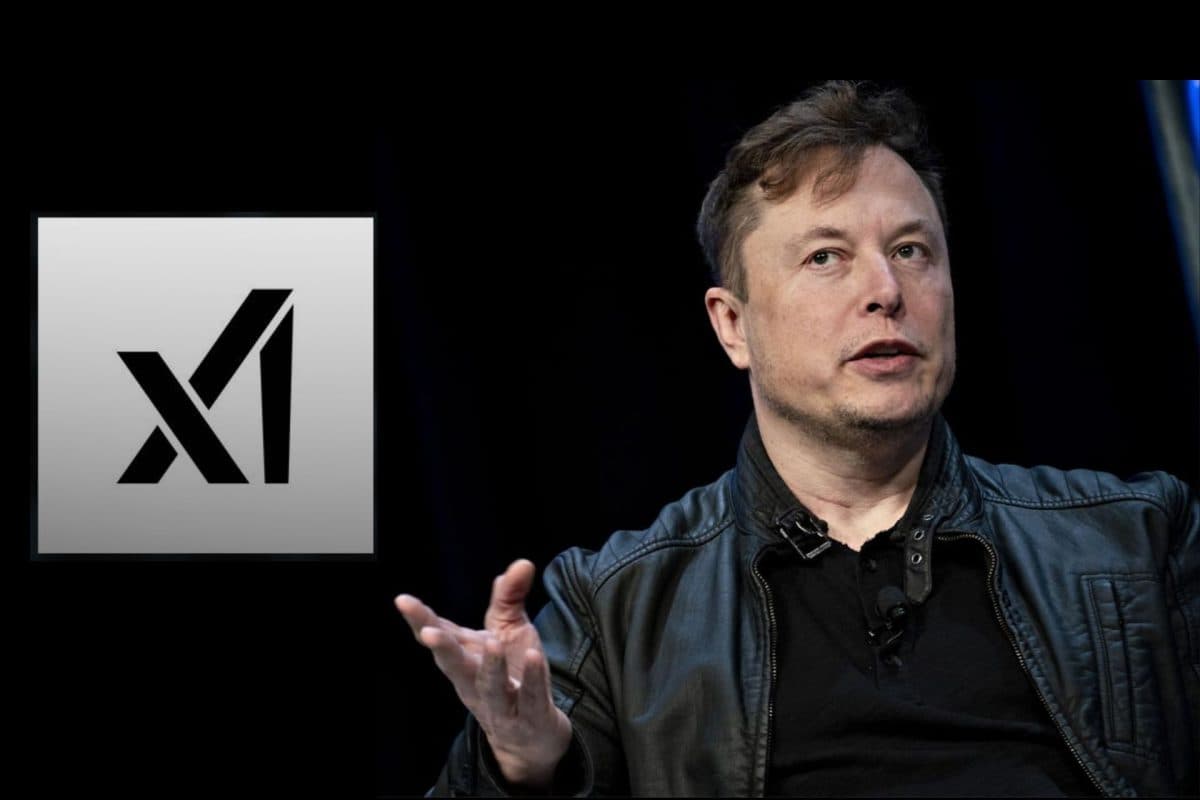
Elon Musk's artificial intelligence startup xAI has recruited at least two AI researchers from Nvidia to develop advanced "world models"—AI systems capable of understanding, simulating, and predicting the physical world. According to Times of India, this strategic move puts the San Francisco-based company in direct competition with Meta and Google, which are also developing similar technologies.
What Are World Models?
World models represent a significant advancement in AI technology. Unlike traditional AI systems that process information in isolation, world models can understand and simulate physical reality, including physics, spatial relationships, and how objects interact. This capability makes them crucial for applications in gaming, robotics, autonomous vehicles, and augmented reality.
The technology enables AI systems to predict outcomes, understand cause and effect, and generate realistic simulations of real-world scenarios—essentially giving AI a conceptual understanding of how the world works.
Strategic Nvidia Hires
The recruitment of Nvidia researchers is particularly significant given Nvidia's leadership in AI hardware and software. While the specific identities of the two researchers haven't been publicly disclosed, their expertise in world model development from Nvidia—a company at the forefront of AI chip technology—provides xAI with valuable technical knowledge and industry insights.
Competition Intensifies: xAI joins Meta, Google, and OpenAI in the race to develop world models. Meta has been working on similar technology for its metaverse ambitions, while Google's DeepMind has published research on world models for reinforcement learning.
AI-Powered Video Game by 2026
India TV reports that xAI is developing an AI-generated video game expected to launch by 2026. This project aims to demonstrate the practical applications of world models by creating dynamic, self-learning game environments that respond realistically to player actions.
The game would represent a significant technological achievement: rather than pre-programmed scenarios, the AI would generate game content, physics, and interactions in real-time based on its understanding of how the world works. According to Analytics Insight, the project builds on Nvidia's world model technology foundation.
Beyond Gaming: Robotics and Autonomous Systems
While gaming serves as a testing ground, the real value of world models extends far beyond entertainment. The technology has critical applications in:
- Robotics: Enabling robots to navigate and manipulate objects in unpredictable real-world environments
- Autonomous Vehicles: Predicting how traffic, pedestrians, and weather conditions will evolve
- Manufacturing: Simulating production processes before physical implementation
- Training AI Systems: Creating realistic virtual environments for AI learning without real-world risks
Given Musk's involvement with Tesla (autonomous driving) and his robotics ambitions, world models could eventually power more sophisticated versions of Tesla's Optimus humanoid robot and Full Self-Driving systems.
xAI's Growing Ambitions
Founded in 2023, xAI has rapidly scaled its operations. The company recently raised $6 billion in Series B funding, valuing it at $24 billion. Its flagship product, Grok—a chatbot integrated into X (formerly Twitter)—competes with ChatGPT and other conversational AI systems.
The move into world models represents xAI's expansion beyond conversational AI into more complex, multimodal AI systems. By hiring Nvidia talent, xAI signals its intention to compete not just in chatbots but in the broader race to create AI that truly understands and can interact with the physical world.
Industry Implications
The talent acquisition reflects broader trends in the AI industry. Companies are aggressively recruiting top researchers, and Nvidia employees—with their deep expertise in AI acceleration and model development—have become particularly sought after. This "brain drain" from established companies to well-funded startups like xAI could accelerate innovation but also raises questions about competitive dynamics in the AI sector.
For Musk, world models align with his long-term vision of creating general artificial intelligence that can operate in the real world. Whether developing self-driving cars, humanoid robots, or immersive digital experiences, understanding physical reality is essential—and world models provide that foundation.
As xAI moves forward with its 2026 gaming demonstration and broader world model development, the industry will be watching closely to see whether Musk's latest AI venture can deliver on its ambitious promises and compete with tech giants that have years of head start in this emerging field.
If you enjoyed this article, follow us on WhatsApp for daily tech updates. If you have an idea, need to be featured or need to partner, reach out to us at editorial@techinika.com or use our contact page.
Don't let the story end here.
Share your thoughts, ask questions, and connect with the community.

Cishahayo Songa Achille
Chief EditorCishahayo Songa Achille is a Rwandan software engineer and tech entrepreneur focused on democratizing digital skills. He is best known as the Founder and Managing Director of Techinika, an edtech firm established in 2020 to make complex technological advances accessible to the general public and build solutions for the biggest problems.
View all articles by Cishahayo Songa Achille →