Why Coding Alone Is No Longer Enough in the GenAI Era
AI Quick Summary
- Generative AI is rapidly changing software engineering, shifting the focus from just coding to building useful products and solving real problems.
- Modern engineers now require product thinking, execution speed, creativity, and good judgment alongside coding skills.
- AI tools are lowering barriers to entry, enabling small teams and African startups to compete globally by developing products faster.
- Success with AI will go to those who combine strong technical skills with real user understanding and disciplined execution.
- Engineering education needs to evolve, emphasizing practical experience with AI tools, APIs, and moving quickly from ideas to prototypes.
For years, software engineering was mostly about writing code. Students learned programming languages, solved algorithm problems, and prepared for technical interviews.
But Generative AI is changing that faster than many schools, companies, and developers expected.
Today, engineers are increasingly judged not only by how well they code, but by how quickly they can build useful products, solve real problems, and understand what users actually need.
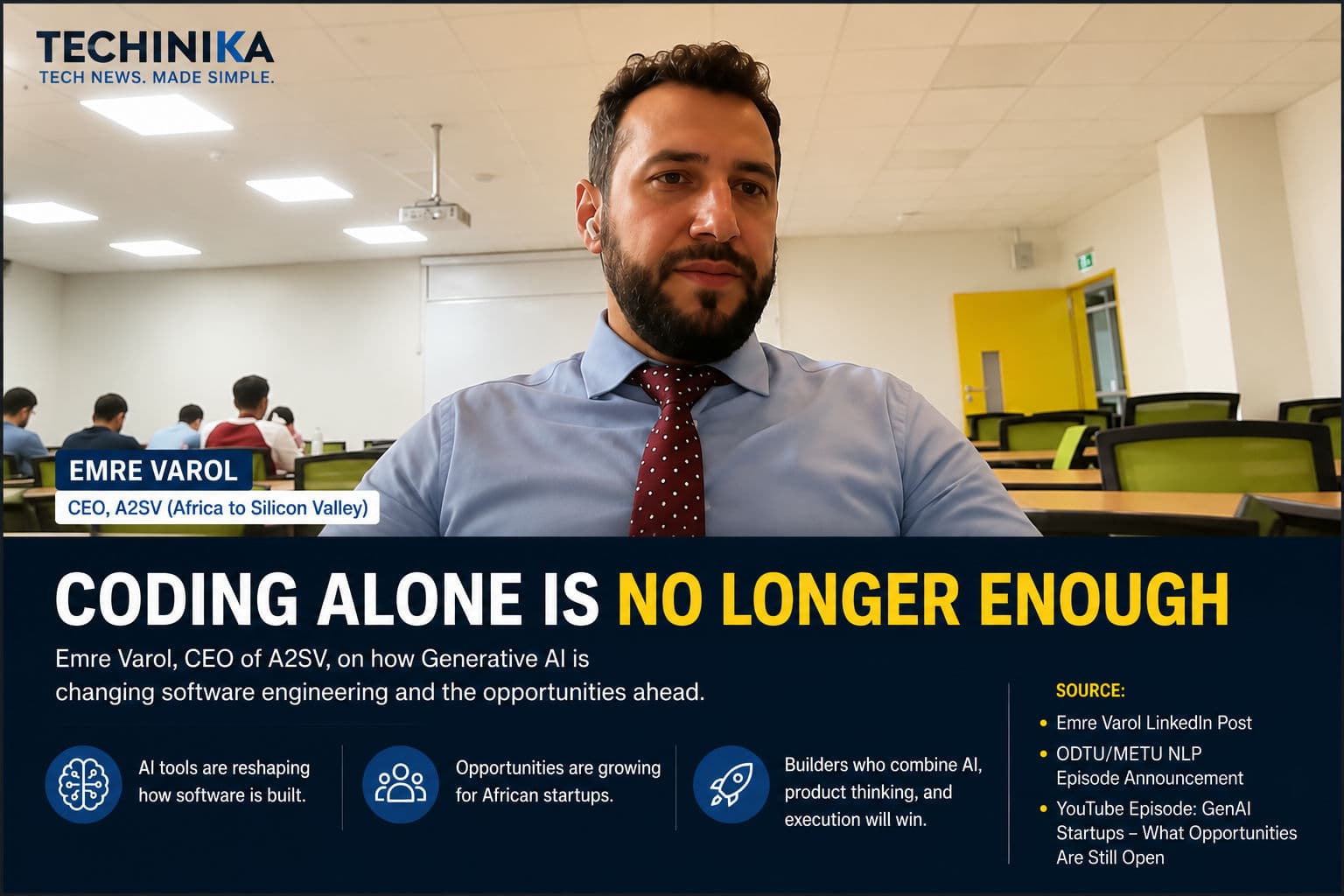
That was one of the key discussions in a recent conversation featuring Emre Varol, CEO of A2SV (Africa to Silicon Valley), during an episode hosted by ODTU/METU NLP.
AI Is Reshaping Software Engineering
According to Varol, Generative AI has changed how software is built. Developers can now use AI tools to generate code, automate tasks, and prototype products much faster than before.
Because of this, coding alone is no longer enough.
Modern engineers increasingly need:
product thinking,
execution speed,
creativity,
and the judgment to know what is actually worth building.
The conversation also highlighted how AI tools are making it easier for small teams to compete with larger companies by building products faster and testing ideas quickly.
Why This Matters for Africa
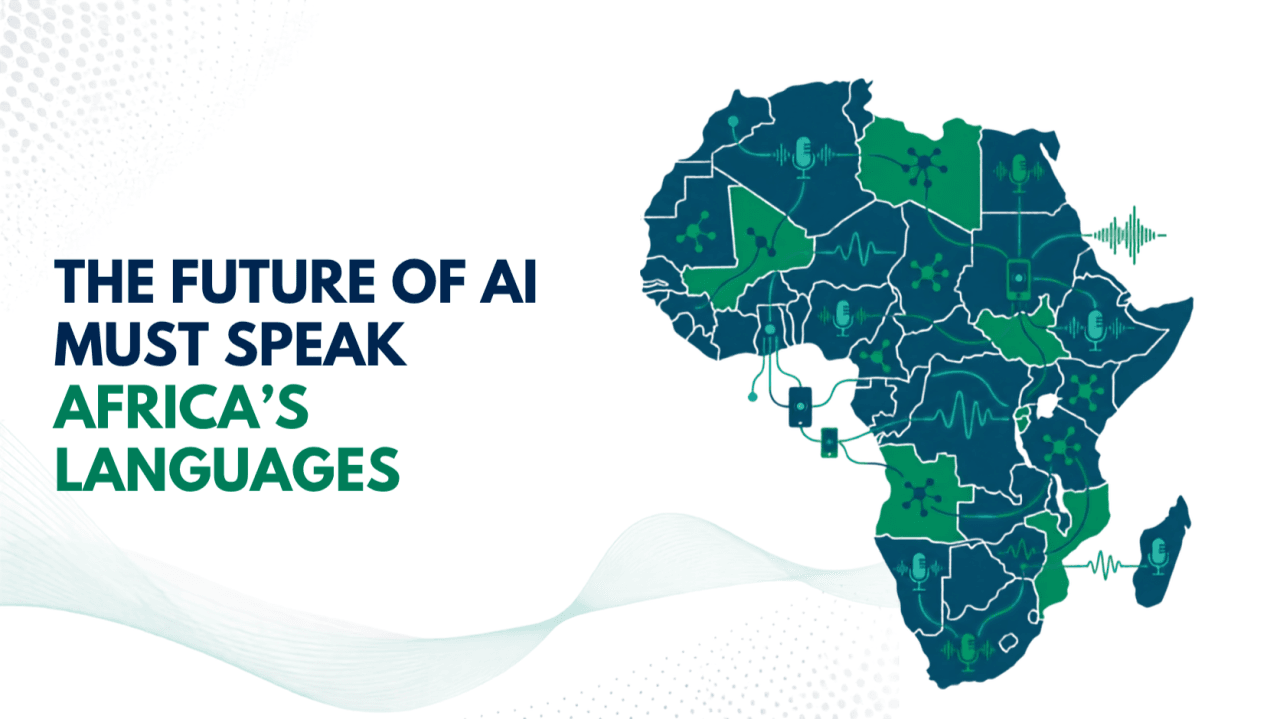
The discussion emphasized that this shift could create major opportunities for African startups and developers.
In the past, building advanced software products often required large teams and expensive infrastructure. Today, AI tools are lowering those barriers.
A small team with strong fundamentals and a clear understanding of users can now build products that reach global markets.
According to Varol, the advantage will not go to people who simply use AI tools. It will go to builders who combine AI with:
strong technical skills,
real user understanding,
and disciplined execution.
Education Needs to Change Too
The discussion also explored how engineering education is evolving in the AI era.
Traditional computer science fundamentals still matter, but students increasingly need practical experience building real products with AI tools, APIs, and automation systems.
Instead of focusing only on interview preparation, future engineers may also need to learn:
how to move quickly from idea to prototype,
how to understand markets and users,
and how to build AI-first products.
As Generative AI continues transforming industries, software engineering is becoming more connected to product development, creativity, and real-world problem solving.
The full discussion featuring Emre Varol was published as part of ODTU/METU NLP’s “Connect with Experts” series.
Watch the episode here:
GenAI Startups: What Opportunities Are Still Open
Primary Sources:
Emre Varol LinkedIn Post Emre Varol LinkedIn post CEO of A2SV
ODTU/METU NLP LinkedIn Announcementhttps://lnkd.in/egMUwP8E
If you enjoyed this article, follow us on WhatsApp for daily tech updates. If you have an idea, need to be featured or need to partner, reach out to us at editorial@techinika.com or use our contact page.
Don't let the story end here.
Share your thoughts, ask questions, and connect with the community.

ISHIMWE Jean Claude
AuthorA technology writer at Techinika, exploring digital innovation and emerging technology trends across Africa. Dedicated to translating complex ideas into meaningful narratives.
View all articles by ISHIMWE Jean Claude →