This API platform will tear down the walls between banks and startups
AI Quick Summary
- Bank of Kigali launched its Open API platform on March 11, 2026, during the Inclusive FinTech Forum in Kigali.
- The platform aims to foster collaboration by allowing fintech startups and developers to securely integrate with the bank's systems.
- Open APIs enable startups to quickly build and scale innovative financial services without starting from scratch.
- This initiative is expected to boost financial inclusion, particularly for underserved communities in Rwanda.
- CEO Dr. Diane Karusisi emphasizes that open platforms promote seamless, secure, and connected financial innovation through partnerships.
Concurrently, the Inclusive FinTech Forum saw Kenya and Rwanda's central banks sign an MoU to simplify cross-border payments, signaling broader regional efforts in financial integration.
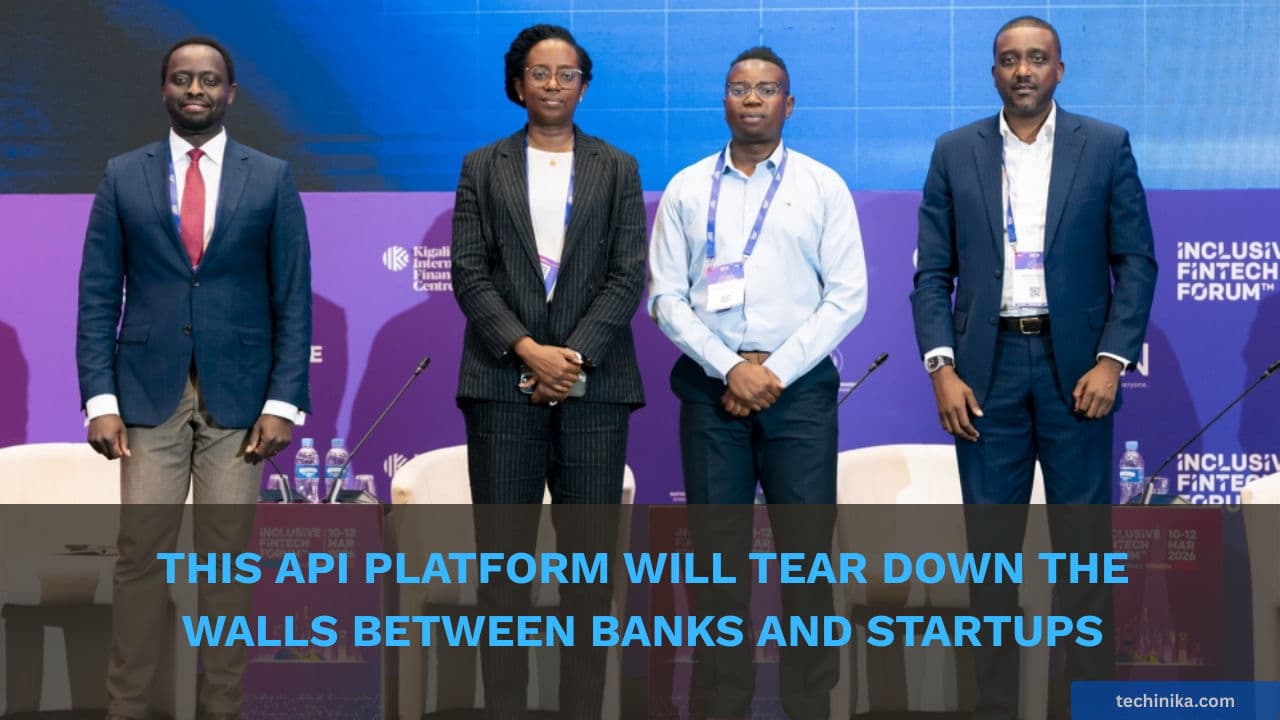
On March 11, 2026, Bank of Kigali launched its Open API platform, opening its banking systems to fintech startups and developers. The announcement was made during the Inclusive FinTech Forum 2026 in Kigali, a major event connecting innovators, investors, and policymakers across Africa.
This new platform signals a move toward collaboration in Rwanda’s digital finance ecosystem, allowing startups to build services that interact directly with banking infrastructure.
Why Open APIs Matter
An Open API (Application Programming Interface) is a set of rules that lets different software systems communicate securely. For fintech, this means startups can integrate apps like payment platforms, lending tools, or savings solutions directly with the bank, rather than building everything from scratch.
Before this platform, many developers faced barriers in accessing banking infrastructure, slowing down innovation. With Open APIs, startups can focus on creating user-friendly financial services while leveraging the bank’s secure systems.
Opportunities for Rwandan Startups
Rwanda’s fintech ecosystem has grown rapidly in recent years, with startups developing digital payment solutions, mobile wallets, and micro-lending platforms. However, limited access to banking infrastructure has been a challenge.
By opening its systems, Bank of Kigali allows local developers to:
- Launch products faster
- Test and scale innovative solutions
- Collaborate with financial institutions in a secure environment
This is likely to boost financial inclusion, especially for underserved communities, by making digital financial services more accessible and reliable.
Expert Perspective
Bank of Kigali CEO Dr. Diane Karusisi said, “Collaboration is key to modern financial innovation. Open platforms allow startups to create services that are seamless, secure, and connected to the real banking system.”
Industry observers note that similar initiatives in other African countries have accelerated fintech growth and attracted international investment. Rwanda is positioning itself to replicate this success.
Looking Ahead
As fintech adoption grows across Africa, platforms like BK Open API could become critical infrastructure for innovation. By enabling startups to connect directly with banking systems, Rwanda is not only supporting local entrepreneurs but also building a stronger, more inclusive digital economy.
For more information on the platform and technical documentation, visit the official Bank of Kigali website.
If you enjoyed this article, follow us on WhatsApp for daily tech updates. If you have an idea, need to be featured or need to partner, reach out to us at editorial@techinika.com or use our contact page.
Don't let the story end here.
Share your thoughts, ask questions, and connect with the community.

ISHIMWE Jean Claude
AuthorA technology writer at Techinika, exploring digital innovation and emerging technology trends across Africa. Dedicated to translating complex ideas into meaningful narratives.
View all articles by ISHIMWE Jean Claude →