Samsung Unveils Galaxy XR: $1,800 Mixed Reality Headset Powered by Android XR and Gemini AI
AI Quick Summary
- Samsung launched the Galaxy XR on October 21, 2025, priced at $1,799 in the United States and South Korea, as a new entry into the mixed reality market.
- The headset is the first device built on the Android XR platform, developed in partnership with Google and Qualcomm, enabling it to run all Android applications.
- Key specifications include 27-megapixel micro-OLED displays, a Snapdragon XR2+ Gen 2 processor, 16GB RAM, and a lighter design at 545g for the headset.
- It integrates Google's Gemini AI at a system level, offering features like navigation assistance, natural language search for YouTube, and Circle to Search for real-world objects.
- The Galaxy XR is positioned as a significantly more affordable and lighter alternative to Apple's Vision Pro, though its cloud-based Gemini AI raises privacy considerations.
Since its launch, the Galaxy XR has received a software update introducing a Travel Mode for stable use in vehicles, a PC Connect feature for linking to Windows computers, and a new 'Likeness' avatar system for video calls.
Samsung officially launched the Galaxy XR on October 21, 2025, during a livestreamed "Worlds Wide Open" event. According to Samsung's official announcement, the Galaxy XR is the first product built on the new Android XR platform developed in partnership with Google and Qualcomm. The headset became available immediately in the United States and South Korea, priced at $1,799.
Technical Specifications
According to GSMArena, the Galaxy XR features micro-OLED displays with 3,552 x 3,840-pixel resolution for a total of 27 megapixels. Tom's Guide reports the displays support refresh rates of 60Hz, 72Hz default, and 90Hz, with a 109-degree horizontal field of view and 100-degree vertical field of view.
• Display: 4K micro-OLED, 3,552 x 3,840px per eye (27MP total)
• Refresh Rate: 60Hz, 72Hz, 90Hz
• Field of View: 109° horizontal, 100° vertical
• Processor: Snapdragon XR2+ Gen 2
• Weight: 545g (headset with forehead cushion), 302g (battery pack)
• Memory: 16GB RAM
• Storage: 256GB
• Battery Life: 2 hours general use, 2.5 hours video playback
• Connectivity: Wi-Fi 7, Bluetooth 5.4
• Cameras: Two passthrough cameras, six tracking cameras, four eye-tracking cameras, 6.5MP 3D camera
• Audio: Two 2-way speakers, six-microphone array
Design and Comfort
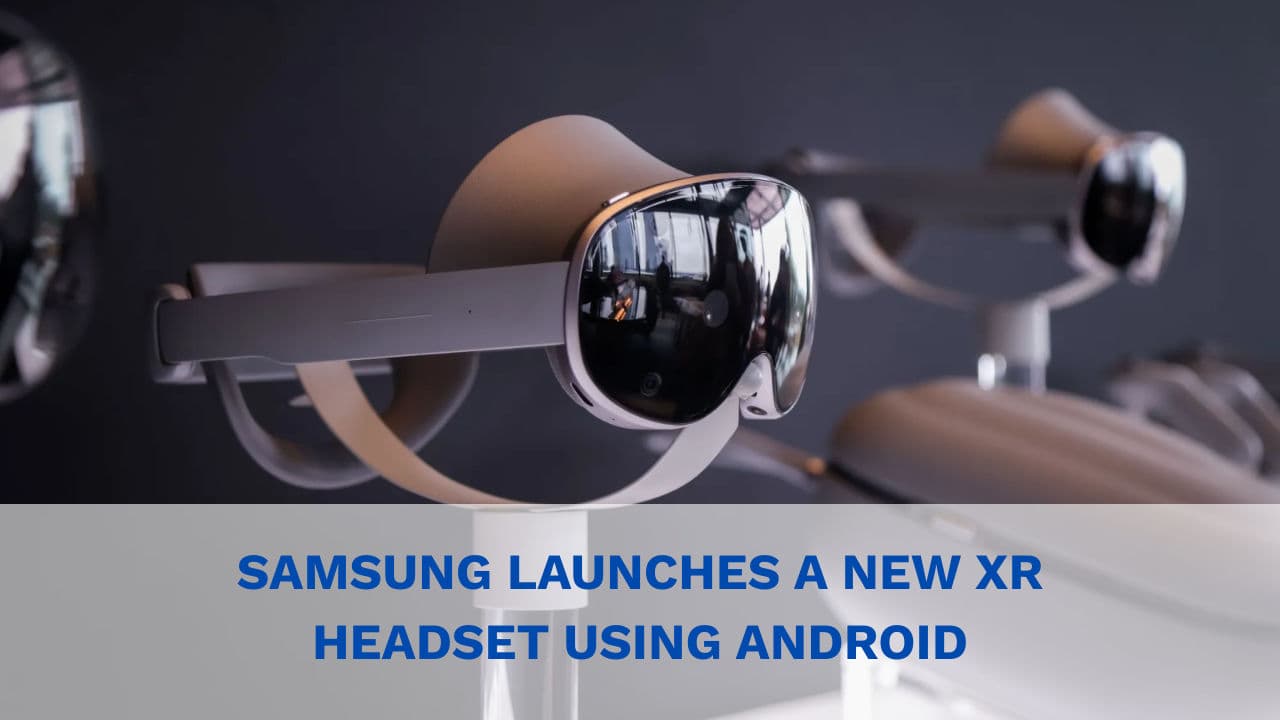
According to MacRumors, Samsung created the Galaxy XR with a "human-centric design" that distributes pressure across the forehead and back of the head. At 545 grams with the forehead cushion, the headset is lighter than Apple's Vision Pro, which weighs between 750 and 800 grams with the Dual Knit Band.
The headset features a detachable light shield for deeper immersion, though it can be used without it for better comfort. The battery pack is separate from the headset, keeping weight off the user's head and neck. Gizmochina reports the battery pack weighs 302 grams separately.
Android XR Platform
The Galaxy XR runs on Android XR, a new platform co-developed by Samsung, Google, and Qualcomm. According to Samsung, all apps built on the Android platform work out of the box on Galaxy XR. The platform is built on OpenXR standards, making it easy for developers using OpenXR, WebXR, or Unity to bring their experiences to the headset.
Gemini AI Integration
Google's Gemini AI is integrated at the system level. The headset understands users' surroundings by seeing what they see and hearing what they hear through cameras and microphones. Samsung states that Gemini doesn't feel like a tool following commands but "a new type of AI companion."
Key Gemini features include navigation assistance in Google Maps with immersive 3D maps and personalized suggestions, natural language YouTube search and video information, and Circle to Search functionality that allows users to draw a circle with their hand in passthrough mode to search for information about real-world objects.
Pricing and Availability
The Galaxy XR is available starting October 21, 2025, exclusively through Samsung.com and Samsung Experience stores in the United States and South Korea. According to Tom's Guide, the headset costs $1,799 or $149 per month.
• Headset: $1,799 (or $149/month)
• Travel Case: $249.99
• Controller: $249.99
• Explorer Pack (included): 12 months Google AI Pro, YouTube Premium, Google Play Pass, NBA League Pass (US) or Coupang Play Sports Pass (Korea), YouTube TV trial, and complimentary apps including Adobe Project Pulsar, Asteroid, and Calm
Comparison to Apple Vision Pro
According to MacRumors, at $1,800, the Galaxy XR is $1,700 cheaper than the new M5 Vision Pro, though it is significantly more expensive than Meta's Quest VR devices. CNBC notes that from the curved glass on the front to the metal trim and external battery pack, the Galaxy XR bears striking resemblance to Apple's Vision Pro.
• Price: Galaxy XR $1,799 vs. Vision Pro $3,499
• Weight: Galaxy XR 545g vs. Vision Pro 750-800g
• Platform: Android XR (open) vs. visionOS (closed)
• AI: Gemini (cloud-based) vs. Apple Intelligence (on-device/private cloud)
• App Ecosystem: All Android apps vs. visionOS-specific apps
Privacy Considerations
According to CNBC, Gemini runs in the cloud, requiring users to give it permission to "see" everything they do on the headset by transmitting data over the internet to Google's servers. Google does not have the same private cloud technology Apple uses for its AI systems, meaning users risk sharing personal information about device usage with the company.
Future XR Plans
Samsung and Google see the Galaxy XR as a stepping stone to AI glasses they plan to launch in the future with eyewear brands Warby Parker and Gentle Monster. Google showed an early demo of those glasses at its annual I/O event in May, though there are no details on when such devices will launch.
Samsung stated that Galaxy XR marks the beginning of its long-term XR journey, with innovations to come across the full spectrum of XR form factors, including AI glasses.
Market Context
XR headsets and AI glasses remain niche products. Meta, the market leader for smart glasses, sold only 2 million pairs of its Ray-Ban glasses in the first two years. By comparison, Apple sells well over 200 million iPhones annually.
Glass Almanac reports that this is the first time a mainstream phone maker is shipping a full mixed-reality headset explicitly built for an open Android XR stack, accelerating platform competition with Apple. Developers now face a distribution question: build for a closed premium headset or target a broader Android XR ecosystem.
Conclusion
The Samsung Galaxy XR represents a significant entry into the mixed reality market, offering an Android-based alternative to Apple's Vision Pro at roughly half the price. With Android XR's open platform, comprehensive AI integration through Gemini, and lighter design, Samsung positions the headset as both a competitive product today and a foundation for future AI glasses. Whether the platform gains developer support and consumer adoption remains to be seen, but the Galaxy XR marks a clear commitment from Samsung, Google, and Qualcomm to challenge Apple's dominance in premium mixed reality experiences.
If you enjoyed this article, follow us on WhatsApp for daily tech updates. If you have an idea, need to be featured or need to partner, reach out to us at editorial@techinika.com or use our contact page.
Don't let the story end here.
Share your thoughts, ask questions, and connect with the community.

Cishahayo Songa Achille
Chief EditorCishahayo Songa Achille is a Rwandan software engineer and tech entrepreneur focused on democratizing digital skills. He is best known as the Founder and Managing Director of Techinika, an edtech firm established in 2020 to make complex technological advances accessible to the general public and build solutions for the biggest problems.
View all articles by Cishahayo Songa Achille →