Is Cash Fading? Rwanda Launches Landmark Trial for Government-Backed Digital Money
AI Quick Summary
- Rwanda has initiated a 12-month pilot program to test its Central Bank Digital Currency (CBDC), a digital form of the Rwandan franc issued and controlled by the central bank.
- The main objective is to boost financial inclusion, especially in rural areas, by offering accessible digital payments even for users with basic feature phones via USSD technology.
- The pilot includes selected users, merchants, and financial institutions, operating on a two-tier model where the central bank issues the currency and financial institutions distribute it.
- Security measures, including privacy and cybersecurity safeguards, are integrated, and the CBDC is designed for payments rather than earning interest.
- A successful trial could lead to reduced cash use, faster and cheaper payments, improved financial services access, and a stronger digital economy in Rwanda.
There is no public information available regarding the completion or outcomes of Rwanda's CBDC pilot program after March 2026.
Rwanda has started testing its own digital currency. The National Bank of Rwanda has launched a 12-month pilot program to see how a Central Bank Digital Currency (CBDC) could work in real life.
This move could change how people in Rwanda send, receive, and store money.
What Is a Digital Currency?
A Central Bank Digital Currency (CBDC) is a digital form of a country’s official money. It is issued and controlled by the central bank. Unlike cryptocurrencies such as Bitcoin, a CBDC is government-backed and legally accepted.
In simple terms, it is the Rwandan franc in digital form. Instead of using cash, people would use digital money directly supported by the central bank.
Why Is Rwanda Testing It?
The main reason is financial inclusion.
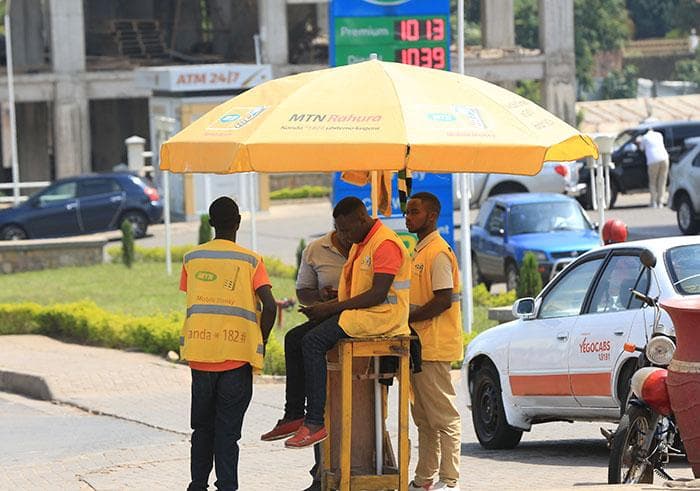
Even though mobile money is common in Rwanda, not everyone has access to smartphones or stable internet. Some people, especially in rural areas, still face challenges using digital payment systems.
The central bank wants to make sure that more people can access safe and affordable digital payments.
Before this 12-month trial, Rwanda completed a five-month proof of concept in 2025. That test showed that a Rwanda-specific digital currency could support secure and instant payments. Now, the new pilot will test how it works in everyday life.
How Will It Work?
The pilot will include selected users in Kigali, another city, and some rural areas. Merchants and financial institutions will also take part.
To make the system accessible, the digital currency will support:
- USSD technology (simple codes used on basic phones)
- Low-cost mobile devices
- Payments without needing a smartphone
This means people with basic feature phones can still use the digital currency. They will not need expensive devices or strong internet connections.
The system is expected to follow a two-tier model. This means the central bank will issue the digital money, while banks and financial institutions will distribute it to users.
Is It Safe?
The central bank says strong security measures will be in place. The system will include:
- Privacy protections
- Cybersecurity safeguards
- Careful monitoring during the trial
The digital currency will not earn interest. It is designed mainly for payments, not for saving money.
What Could Change?
If the trial is successful, Rwanda could:
- Reduce the use of physical cash
- Make payments faster and cheaper
- Improve access to financial services
- Support the country’s digital economy
This test does not mean cash will disappear immediately. The central bank will study the results carefully before making any final decision.
What Happens Next?
Over the next 12 months, the National Bank of Rwanda will study how people use the digital currency. It will check if the system is secure, reliable, and helpful for financial inclusion.
After the trial, the bank will decide whether to expand the program, improve it, or stop it.
For now, Rwanda is taking a careful step toward digital money — a step that could shape the future of payments in the country.
Source: CoinLaw. “Rwanda Tests Digital Currency in 12 Month Trial.” March 2, 2026.
If you enjoyed this article, follow us on WhatsApp for daily tech updates. If you have an idea, need to be featured or need to partner, reach out to us at editorial@techinika.com or use our contact page.
Don't let the story end here.
Share your thoughts, ask questions, and connect with the community.

Mwiza Zamda
AuthorA technology writer at Techinika with an interest in digital innovation and emerging trends in Africa.
View all articles by Mwiza Zamda →