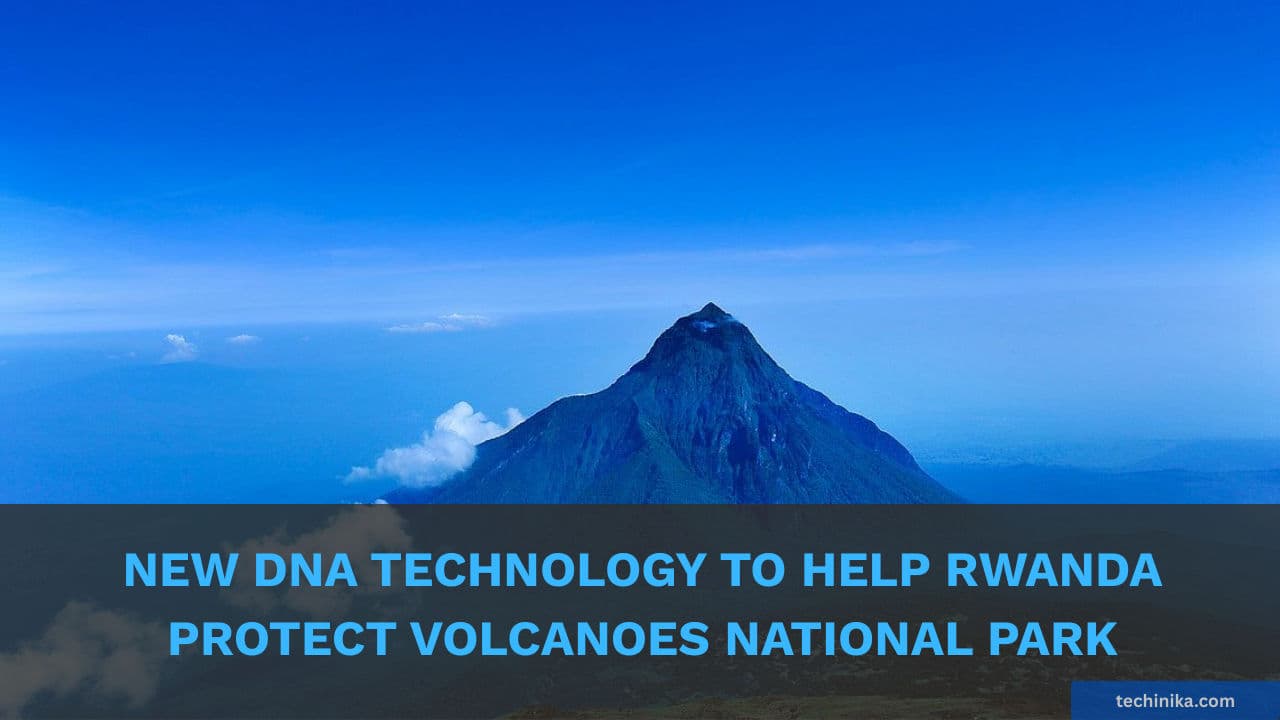
New DNA Technology to Help Rwanda Protect Volcanoes National Park Wildlife
AI Quick Summary
- Rwanda has launched a new conservation initiative in Volcanoes National Park using environmental DNA (eDNA) technology to monitor wildlife.
- eDNA works by collecting and analyzing genetic material left behind by animals in the environment (e.g., soil, water) to identify species presence without direct observation.
- This technology offers a data-driven approach, complementing traditional methods like camera traps, to detect rare, elusive, or cryptic species and monitor biodiversity changes.
- The project is a collaborative effort funded by TUI Care Foundation and implemented by the African Wildlife Foundation (AWF), Rwanda Development Board (RDB), and the Dian Fossey Gorilla Fund.
- eDNA is seen as a major shift towards evidence-based conservation, providing reliable, science-based information to protect species in the challenging terrain of Volcanoes National Park.
As of early 2026, the eDNA initiative was recently launched and is expected to provide ongoing, valuable data for conservation efforts in Rwanda's Volcanoes National Park.
Rwanda has introduced a new conservation technology that uses environmental DNA (eDNA) to monitor wildlife in Volcanoes National Park, offering scientists a data-driven way to track species that are rare, elusive, or difficult to observe using traditional methods.
The initiative, launched in early February 2026, applies molecular biology and data analysis to conservation. eDNA works by collecting and analyzing genetic material that animals naturally leave behind in the environment, including soil, water, feces, hair, and decomposing organic matter. These samples are processed in laboratories to identify species presence without requiring direct visual contact or physical tracking.
How the Technology Works
Unlike conventional wildlife monitoring tools such as camera traps or acoustic sensors, eDNA relies on DNA sequencing and digital databases to detect species. Once environmental samples are collected, scientists extract genetic fragments and compare them against reference DNA libraries to determine which species are present in a specific location.
This approach allows conservation teams to detect biodiversity changes earlier, monitor ecosystem health more accurately, and identify species that may disappear before they are ever seen.
A Multi-Partner, Tech-Enabled Conservation Effort
The project is part of the TUI Wildlife Programme, funded by TUI Care Foundation and implemented by the African Wildlife Foundation (AWF) in partnership with the Rwanda Development Board (RDB) and the Dian Fossey Gorilla Fund.
According to Patrick Nsabimana, the technology represents a major shift toward evidence-based conservation.
“By analyzing soil and water samples, Rwandan experts can protect every species in Volcanoes National Park using reliable, science-based information,” he said.
Why eDNA Matters for Volcanoes National Park
Volcanoes National Park’s mountainous terrain, dense forests, and uneven wildlife distribution make traditional monitoring difficult and resource-intensive. Small mammals, insects, amphibians, and other cryptic species are often missed using visual surveys, even though they play a critical role in ecosystem stability.
Conservationists say eDNA significantly increases the likelihood of detecting these species, especially those that tend to disappear first when ecosystems are under stress from climate change, disease, or human activity.
Complementing Existing Research with Data
For more than two decades, the Dian Fossey Gorilla Fund has conducted long-term ecological research in the park, tracking gorillas, birds, insects, plant species, and wetland systems to understand environmental change. Officials stress that eDNA is not a replacement for these methods, but a powerful digital addition.
By combining field research with genetic data, conservation teams can build dynamic biodiversity databases that support adaptive management, long-term planning, and more precise protection strategies.
Technology Meets Conservation
The adoption of eDNA positions Rwanda among countries using advanced scientific and data technologies to support conservation. It also reflects a broader shift toward technology-enabled environmental management, where digital tools, laboratory science, and data systems work together to protect natural heritage.
As Rwanda continues to invest in innovation across sectors, experts believe tools like eDNA could become a model for conservation efforts across Africa and beyond.
If you enjoyed this article, follow us on WhatsApp for daily tech updates. If you have an idea, need to be featured or need to partner, reach out to us at editorial@techinika.com or use our contact page.
Don't let the story end here.
Share your thoughts, ask questions, and connect with the community.

Mwiza Zamda
AuthorA technology writer at Techinika with an interest in digital innovation and emerging trends in Africa.
View all articles by Mwiza Zamda →