5G Programmable Networks: Turning Africa's Telecoms into Innovation Platforms
AI Quick Summary
- The true opportunity for 5G in Africa lies not just in faster speeds, but in creating programmable networks that enable innovation.
- Telecom operators can transform their networks into platforms by securely exposing 5G capabilities like quality of service, location data, and authentication through Application Programming Interfaces (APIs).
- This shift creates new revenue streams for operators and allows African developers to build solutions that interact directly with the network, rather than simply running on top of basic connectivity.
- It enables Africa to move from being a consumer of digital services to a producer of globally scalable solutions, fostering local skills and intellectual property.
- Practical applications of 5G APIs in Africa include improving fintech, insurtech, logistics, healthcare, and media/gaming services.
Since this article was written, African telecom operators have increasingly adopted and standardized network APIs, particularly through initiatives like GSMA Open Gateway, to enable new services and enhance security.
For years, conversations around 5G in Africa have focused on faster speeds, wider coverage, and lower latency. While these improvements are important, they alone will not change Africa’s role in the global digital economy.
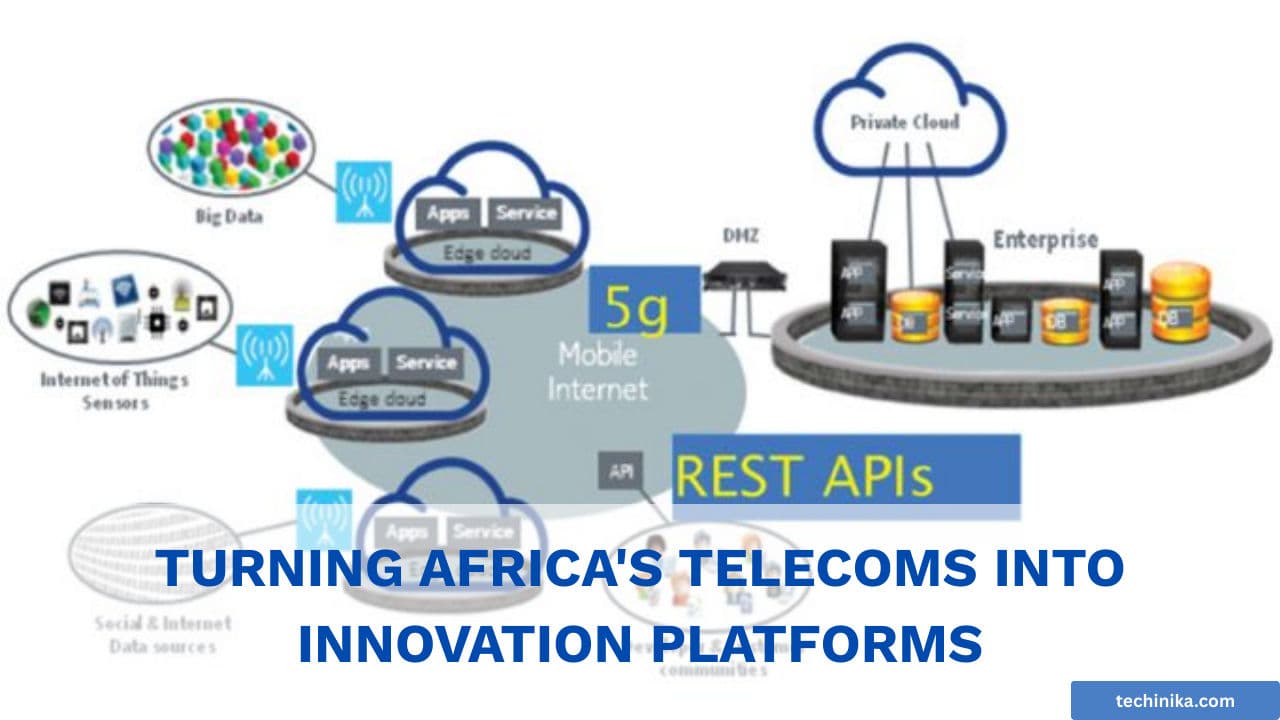
The bigger opportunity lies in programmable networks. By exposing 5G network capabilities through Application Programming Interfaces (APIs), telecom operators can turn their networks into platforms for innovation. This allows African developers to build solutions that interact directly with the network, rather than simply running on top of basic connectivity.
What Monetising the Network Edge Means
Modern 5G networks are software-driven. Through components such as the Network Exposure Function (NEF), operators can securely expose network features like quality of service control, location data, authentication, and billing via APIs.
This shift enables developers to build applications on the network instead of around it. For operators, this creates new revenue streams beyond data plans. For developers, it unlocks capabilities that were previously hidden inside telecom infrastructure.
As Nokia executive Roque Lozano notes, operators can start monetising these capabilities from the early stages of network deployment, creating a cycle where revenue supports further investment in connectivity.
Why This Matters for Africa
African developers have traditionally relied on global cloud platforms, with little access to core telecom functions. Exposed 5G APIs change this by enabling features such as secure digital identity, fraud prevention, and connectivity-aware services without complex negotiations.
This transforms telecom operators from “pipes” into innovation platforms. According to Majda Lahlou-Kassi of Ericsson, opening network capabilities to developers can unlock innovation at a scale that is difficult to imagine today.
Practical Use Cases
5G APIs are especially relevant to Africa’s needs:
- Fintech and insurtech can improve onboarding and reduce fraud
- Logistics and mobility benefit from precise location and latency control
- Healthcare can prioritise critical communication during emergencies
- Media and gaming gain consistent service quality for local content
Globally, operators like Orange, Telefónica, and Vodafone are already exposing network APIs through initiatives supported by Ericsson and Vonage.
From Consumption to Creation
By opening network APIs, Africa can move from consuming digital services to producing globally scalable solutions. This keeps skills, revenue, and intellectual property within local ecosystems and supports digital sovereignty.
Ultimately, the success of 5G will be measured not by speed, but by what African developers are able to build on top of it.
If you enjoyed this article, follow us on WhatsApp for daily tech updates. If you have an idea, need to be featured or need to partner, reach out to us at editorial@techinika.com or use our contact page.
Don't let the story end here.
Share your thoughts, ask questions, and connect with the community.

Mwiza Zamda
AuthorA technology writer at Techinika with an interest in digital innovation and emerging trends in Africa.
View all articles by Mwiza Zamda →