Kigali Becomes Africa's Blockchain Capital as Continental Festival Concludes
AI Quick Summary
- The inaugural Africa Blockchain Festival in Kigali gathered over 1,000 participants to position Africa as a leader in digital innovation, moving beyond being a tech consumer.
- The festival emphasized building strong communities over financial gains and highlighted the need for foundational STEM education to enable practical blockchain solutions for Africans.
- Discussions focused heavily on financial inclusion, exploring blockchain-powered cross-border payments, the role of stablecoins, and advocating for homegrown financial technologies.
- The event showcased youth innovation in blockchain, DeFi, and AI, alongside crucial sessions addressing digital safety, cybersecurity, and the evolving nature of work in Africa.
- With strong support from the Rwandan government, the festival combined expert panels with cultural elements, B2B matchmaking, and a hackathon, aiming to establish guidelines for future blockchain regulations.
Since the festival, several African nations, including Kenya and Ghana, have moved to establish comprehensive regulatory frameworks for digital assets, while Rwanda is on track to launch its Central Bank Digital Currency (CBDC) by 2026 to further enhance financial inclusion.
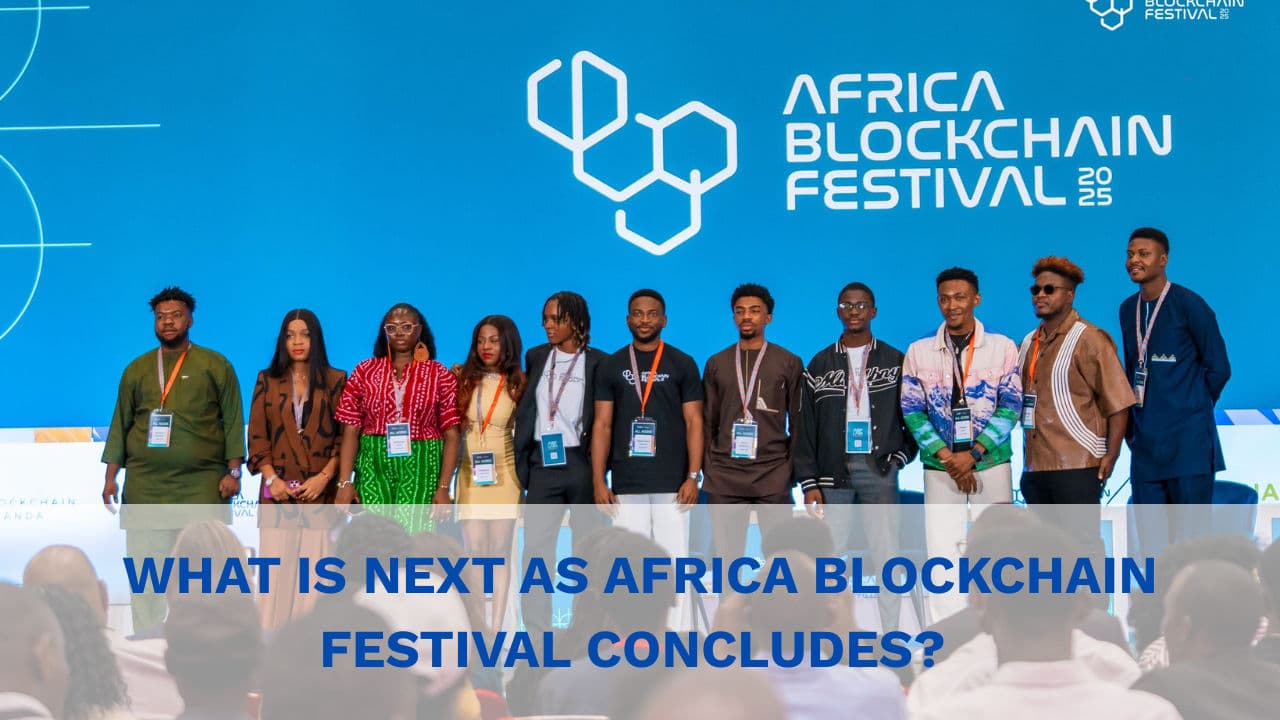
The City of a Thousand Hills transformed into Africa's blockchain epicenter last week as the inaugural Africa Blockchain Festival brought together over 1,000 investors, regulators, developers, and innovators at the Kigali Convention Centre from November 7-9. What began four years ago as an ambitious vision to shift Africa's narrative from tech consumer to innovation leader culminated in three days of panels, workshops, pitch sessions, and deal-making that attendees are already calling a watershed moment for the continent's digital future.
Festival convener Olubunmi Fabanwo set the tone on opening day with a clear message: making blockchain technology relevant and accessible for everyday Africans. "We're not just participating in blockchain—we're defining how Africa innovates, collaborates, and builds sustainable technology ecosystems," Fabanwo told the packed hall, emphasizing that the festival was designed to bridge technology and culture, unleashing opportunities for African creatives while driving practical solutions to real problems.
Over 1,000 participants from across Africa and beyond • 40+ exhibiting companies and startups • Three parallel stages featuring panels on AI, policy, and Web3 • Major sponsorship from Binance (Title Sponsor), MEXC, Bybit, and OKX • Endorsement from Rwanda's Ministry of ICT and Innovation
Community Over Capital: The Festival's Core Message
One of Day 1's standout panels, "Why Africa's Greatest Advantage is Not Capital, It's Community," captured what many attendees felt was the festival's most important insight. SuperteamNG co-lead Harri Obi emphasized building communities around shared growth rather than short-term financial gains, arguing that nurturing authentic relationships will sustain long-term blockchain adoption across the continent. The discussion resonated deeply with developers and entrepreneurs who've watched Silicon Valley's transactional approach to community building fail to translate in African contexts.
The policy stage tackled foundational challenges head-on. Ayodeji Awosika, founder of Web3Bridge, highlighted educational gaps holding back aspiring developers, explaining that bootcamps become exponentially more effective when participants already have solid foundational knowledge. His comments sparked broader conversations about how African governments and institutions must invest in basic STEM education before advanced blockchain training can reach its full potential.
Financial inclusion dominated multiple sessions throughout the three days. The "Faster, Cheaper Payments Across Africa" panel explored how blockchain-powered payments can simplify cross-border trade, with panelists highlighting stablecoins' transparency and speed advantages while acknowledging regulatory challenges. The discussions didn't shy away from uncomfortable truths—in "The Stablecoin Wars" session, experts debated Africa's growing dependence on foreign-backed stablecoins and what that means for economic sovereignty, calling for homegrown solutions even as they acknowledged stablecoins currently serve as vital financial lifelines amid currency volatility.
Youth Innovation and Digital Safety Take Center Stage
A festival highlight was the "Youth Builders: How Africa's Young Developers Are Changing Tech" panel, which showcased innovators using blockchain, DeFi, and AI to create solutions for education, social impact, and financial inclusion. The energy in the room reflected optimism that Africa's median age of 19 positions the continent uniquely to embrace decentralized technologies without legacy system baggage.
Kehinde Ogunsuyi, Co-founder of Trybeboost Digital Marketing Solutions, moderated the critical "Digital Safety: Privacy, Scams & Deepfakes" session, addressing increasing cyber risks facing blockchain users in Africa. His emphasis on cybersecurity as foundational rather than optional struck a chord with attendees who've witnessed scams proliferate as blockchain adoption grows. "The Future of Work" panel similarly examined how digital tools can tackle evolving employment challenges while managing cybersecurity risks that come with remote, decentralized work arrangements.
Where Entertainment Meets Technology
The festival featured cultural integration between technology and entertainment, with appearances from Nigerian tech YouTuber Fisayo Fosudo and rapper M.I Abaga, both contributing to discussions on creative storytelling, tech adoption, and youth empowerment in the blockchain space. Their presence underscored the festival's commitment to making blockchain accessible beyond developer circles, reaching creators, artists, and everyday users who represent blockchain's ultimate end users.
Behind the scenes, the Bouquet Experience, an intimate B2B matchmaking event powered by Hackapath, facilitated deal-making between startups and investors. The formal Deal Room saw pitches from African blockchain and AI startups seeking capital and strategic partnerships, with several attendees reporting on social media that meaningful conversations about funding and collaboration extended well into Kigali's evenings.
The hackathon powered by Web3Bridge ran concurrently with main programming, challenging developers—especially young talent—to build innovative AI and blockchain solutions for real-world African challenges. Winners will be announced in coming weeks, but the competition showcased practical applications ranging from agricultural supply chain tracking to decentralized identity systems for refugees.
Rwanda's government support proved more than ceremonial. The Ministry of ICT and Innovation's endorsement signaled serious policy interest in blockchain and fintech development, with several government officials participating in roundtable discussions about regulatory frameworks. The festival will publish an official communiqué based on these policy conversations, intended to guide African governments in crafting progressive yet protective blockchain regulations.
The event came at a pivotal moment for African blockchain—startups in the sector raised $34.7 million in 2024, and participants called for stronger infrastructure and clearer regulatory frameworks to unlock the technology's full potential. The festival's timing, location, and execution suggested Africa is moving from blockchain experimentation to serious implementation, with Kigali's selection as host city reinforcing Rwanda's position as a regional tech hub backed by investments from organizations like the Gates Foundation.
As the three-day event concluded Saturday evening, the consensus among attendees was clear: this wasn't just another blockchain conference. It was a declaration that Africa's digital transformation will be led by Africans, built for African contexts, and designed to solve African challenges. With RwandAir offering special discounts to attract attendees from across the continent and accommodations ranging from university student passes to executive VIP access, the festival's organizers made intentional efforts to ensure diverse participation across experience levels and economic backgrounds.
The Africa Blockchain Festival proved that when African innovators, global investors, and supportive governments converge with clear purpose, the continent's blockchain renaissance isn't aspirational—it's already underway. As one attendee posted on social media hours after the closing ceremony, the real work begins now: taking the connections made, lessons learned, and deals initiated in Kigali back to communities across Africa and turning them into the decentralized, inclusive digital future the festival envisioned.
For those who missed this inaugural edition, organizers have already hinted that ABF will return, having established itself as the premier gathering for Africa's blockchain and AI ecosystem. The challenge now is ensuring that the momentum, optimism, and collaboration showcased in Kigali last week translates into tangible progress across the continent in the months ahead.
If you enjoyed this article, follow us on WhatsApp for daily tech updates. If you have an idea, need to be featured or need to partner, reach out to us at editorial@techinika.com or use our contact page.
Don't let the story end here.
Share your thoughts, ask questions, and connect with the community.

Cishahayo Songa Achille
Chief EditorCishahayo Songa Achille is a Rwandan software engineer and tech entrepreneur focused on democratizing digital skills. He is best known as the Founder and Managing Director of Techinika, an edtech firm established in 2020 to make complex technological advances accessible to the general public and build solutions for the biggest problems.
View all articles by Cishahayo Songa Achille →