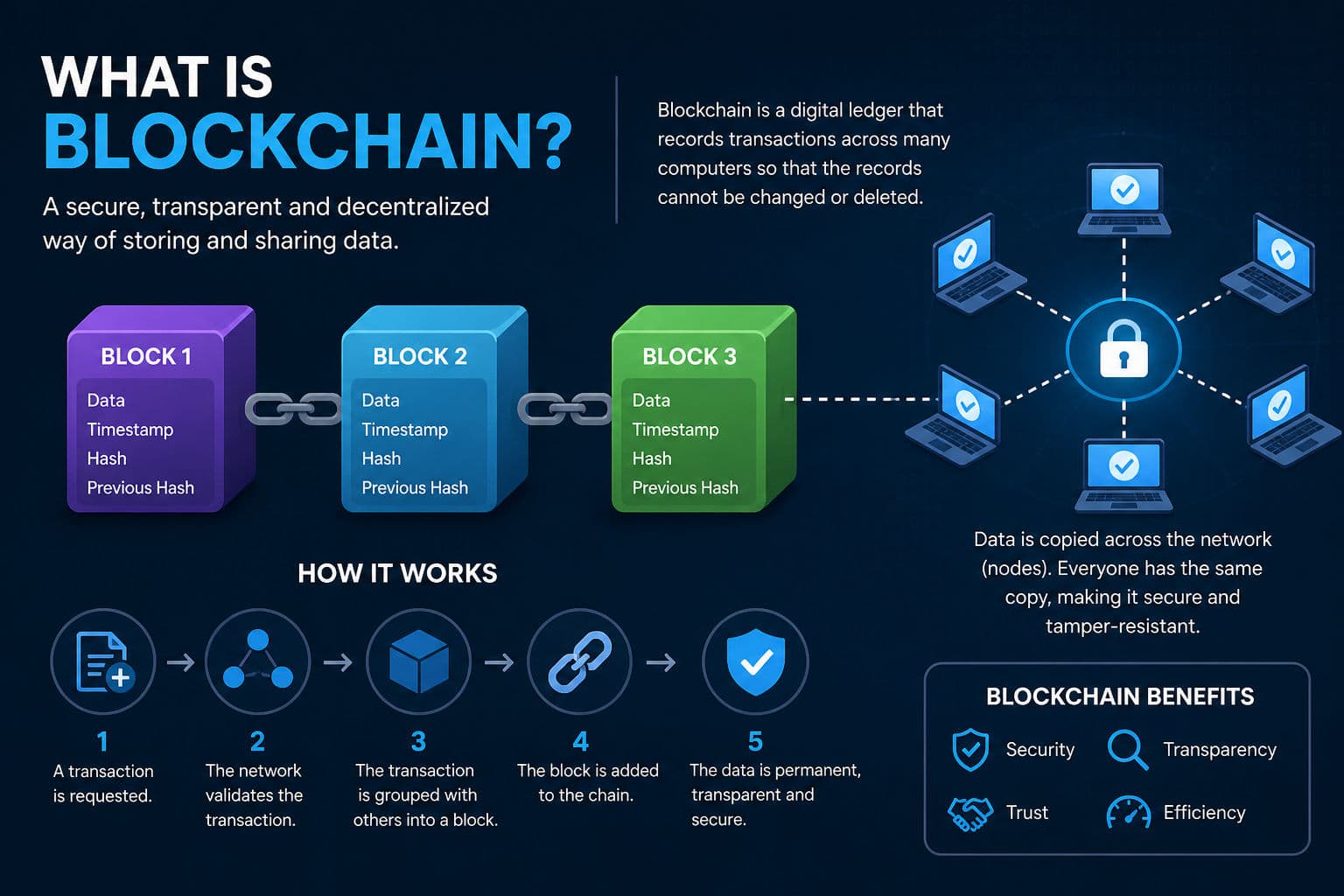
Is Decentralized Really Decentralized? AWS Outage Exposes Web3's Centralization Problem
AI Quick Summary
- The October 20, 2025 AWS outage in its US-EAST-1 region caused widespread disruptions, significantly affecting many platforms, including those marketed as "decentralized."
- Cryptocurrency exchanges (Coinbase, Robinhood), Ethereum Layer-2 networks (Base, Arbitrum, Optimism), and wallets like MetaMask experienced outages or connectivity issues because their front-end interfaces, APIs, and infrastructure gateways rely on centralized cloud providers like AWS.
- The incident exposed a critical contradiction: while blockchain consensus layers often remained operational, the user-facing parts of "decentralized" applications are heavily dependent on centralized cloud infrastructure for efficiency and cost-effectiveness.
- Major Layer-1 blockchains like Bitcoin and Ethereum mainnet continued to function because of their globally distributed validator sets and independent node operators, demonstrating true decentralization.
- The outage highlighted the need for truly decentralized infrastructure, multi-cloud strategies, and alternative decentralized cloud computing solutions to prevent single points of failure in the broader internet ecosystem.
When Amazon Web Services experienced a major outage on October 20, 2025, the disruption extended far beyond traditional websites. Cryptocurrency exchanges Coinbase and Robinhood went offline. Ethereum Layer-2 networks including Base, Arbitrum, and Optimism experienced connectivity issues. MetaMask users could not connect to blockchains. The irony was immediate and brutal: platforms built on decentralized blockchain technology failed because of centralized cloud infrastructure.
What Happened on October 20?
The outage began around 7 AM ET when a DNS resolution issue in AWS's US-EAST-1 region in Northern Virginia caused cascading failures. Platforms including Zoom, Roblox, Fortnite, Duolingo, Canva, Signal, and banking services across the UK were affected. By 1 PM ET, AWS had largely mitigated the issue, but the damage to the decentralization narrative was done.
Which "Decentralized" Platforms Went Down?
According to AMBCrypto, Coinbase's Base network—an Ethereum Layer-2 blockchain—experienced significant disruptions, with users seeing "zero balance" glitches. CryptoSlate reports that infrastructure provider Infura, which connects crypto wallets like MetaMask to blockchains, confirmed disruptions affecting Ethereum Mainnet, Polygon, Optimism, Arbitrum, Linea, Base, and Scroll.
• Coinbase & Robinhood: Trading platforms offline
• Base Network: 25% throughput loss
• MetaMask: Could not connect to blockchains via Infura
• Ethereum L2s: Polygon, Optimism, Arbitrum, Linea, Scroll affected
• African Web3 startups: TechCabal reports Azza (Nigeria) and AZA Finance experienced disruptions
Why Did "Decentralized" Apps Go Down?
The answer exposes a fundamental contradiction in how decentralized systems are built. According to data from Ethernodes, AWS hosts approximately 2,368 Ethereum execution layer nodes—37 percent of the network's total. While blockchain consensus layers remained operational, the front-end interfaces, APIs, and infrastructure gateways that users interact with are hosted on centralized cloud providers.
CCN explains that when AWS goes down, cryptocurrency platforms cannot process transactions even though blockchain networks themselves continue running. It is similar to a bank's money remaining safe in vaults while customers cannot access online banking.
The Hidden Dependency
Lefteris Karapetsas, founder of privacy-focused portfolio tracker Rotkiapp, told CryptoSlate: "The whole vision behind blockchain was decentralized infrastructure, which we have completely failed on."
The October 20 outage was not the first. CoinDesk notes that in April 2025, AWS suffered another widespread disruption that knocked several crypto exchanges and infrastructure providers offline. Six months later, little had changed.
Why Do Decentralized Platforms Use Centralized Infrastructure?
According to CryptoSlate, running blockchain nodes in-house requires expensive hardware, stable electricity, and bandwidth—resources that large data centers provide at scale. AWS is cheaper, more reliable, and faster to deploy for startups. This convenience trades resilience for efficiency.
TechCabal reports that African Web3 startups face a dilemma: building redundant, multi-cloud server systems ensures uptime but consumes tight operational budgets. The trade-off between resilience and cost is becoming one of the most pressing decisions for early-stage tech startups.
Which Networks Stayed Online?
99Bitcoins reports that major Layer-1 blockchains including Bitcoin, Ethereum mainnet, and Solana continued producing blocks and processing transactions during the outage, thanks to globally distributed validator sets and independent node operators not tied to any single provider.
According to AMBCrypto, SurfCopilot noted that "Base lost 25% throughput when its AWS-hosted sequencer went down, while Arbitrum and Optimism stayed fully operational on multi-cloud setups."
TechCabal reports that Nigerian crypto platform Palremit stayed online throughout the outage by routing servers across multiple AWS regions, while Azawire avoided disruption because its AWS data centers are based in Frankfurt, Germany, not the affected US-EAST-1 region.
How Should Decentralized Systems Actually Work?
According to CoinEdition, true decentralization distributes computing power and data storage across networks of independent nodes. Web3 projects like Filecoin, Arweave, and Akash Network provide storage and computing through open networks that use incentive mechanisms to maintain uptime without centralized oversight.
Chris Jenkins, lead of infrastructure operations at Pocket Network, told CoinDesk: "The internet was designed with the idea in mind that millions of people would be running their own connections to it, and sharing data that way, but with major centralized services becoming the de facto choice for infrastructure, every new app built using the same approach only makes the problem worse."
The Broader Internet Problem
According to CNN, AWS controls approximately 30 percent of the worldwide cloud computing market. Al Jazeera reports that when Microsoft and Google are included, these tech giants collectively control the vast majority of global cloud services.
Xavi Jardin, a cybersecurity expert, told CNN: "The internet was originally designed to be decentralized and resilient, yet today so much of our online ecosystem is concentrated in a small number of cloud regions. When one of those regions experiences a fault, the impact is immediate and widespread."
What People Should Know About Decentralization
- Marketing vs. Reality: Many platforms marketed as "decentralized" rely heavily on centralized infrastructure for critical operations. True decentralization requires the entire stack—from blockchain consensus to user interfaces—to be distributed.
- The Front-End Problem: Even if blockchain networks are decentralized, the gateways most users interact with (trading platforms, wallet interfaces, APIs) often run on centralized cloud providers, creating single points of failure.
- Trade-Offs Exist: Decentralized infrastructure is more expensive, slower, and technically challenging to implement. Startups often choose centralized cloud services for cost efficiency and speed to market.
- Multi-Cloud Strategies Work: Platforms that distributed workloads across multiple cloud regions or providers experienced less downtime and faster recovery during the October 20 outage.
- Layer-1 vs. Layer-2: CoinDesk reports that Jay Jog, co-founder of Sei Labs, stated: "Base going down when AWS goes down is literally the entire argument in favour of EVM L1s. Real decentralization is about resilience. Ethereum is decentralized. Sei is decentralized. The vast majority of L2s are not and could be bricked by a big enough Web2 outage."
The Path Forward
According to analysis from Maxthon, solutions include multi-region and multi-cloud strategies, robust disaster recovery planning, edge computing for latency-sensitive applications, and decentralized cloud alternatives like Akash Network.
Ahmad Shadid, CEO of O.XYZ, told CryptoSlate that transitioning to decentralized cloud compute systems that mimic AWS functionality while distributing storage and processing across independent participants will not be easy, but the October 20 outage demonstrates the urgency.
Conclusion
The October 20, 2025 AWS outage answered a fundamental question: most "decentralized" systems are not fully decentralized. While blockchain consensus layers may be distributed, the infrastructure enabling user access—APIs, front-ends, custody platforms—remains concentrated in centralized cloud providers. True decentralization requires rethinking not just blockchain architecture, but the entire infrastructure stack supporting it. Until then, when AWS sneezes, even decentralized applications catch a cold.
If you enjoyed this article, follow us on WhatsApp for daily tech updates. If you have an idea, need to be featured or need to partner, reach out to us at editorial@techinika.com or use our contact page.
Don't let the story end here.
Share your thoughts, ask questions, and connect with the community.

Cishahayo Songa Achille
Chief EditorCishahayo Songa Achille is a Rwandan software engineer and tech entrepreneur focused on democratizing digital skills. He is best known as the Founder and Managing Director of Techinika, an edtech firm established in 2020 to make complex technological advances accessible to the general public and build solutions for the biggest problems.
View all articles by Cishahayo Songa Achille →