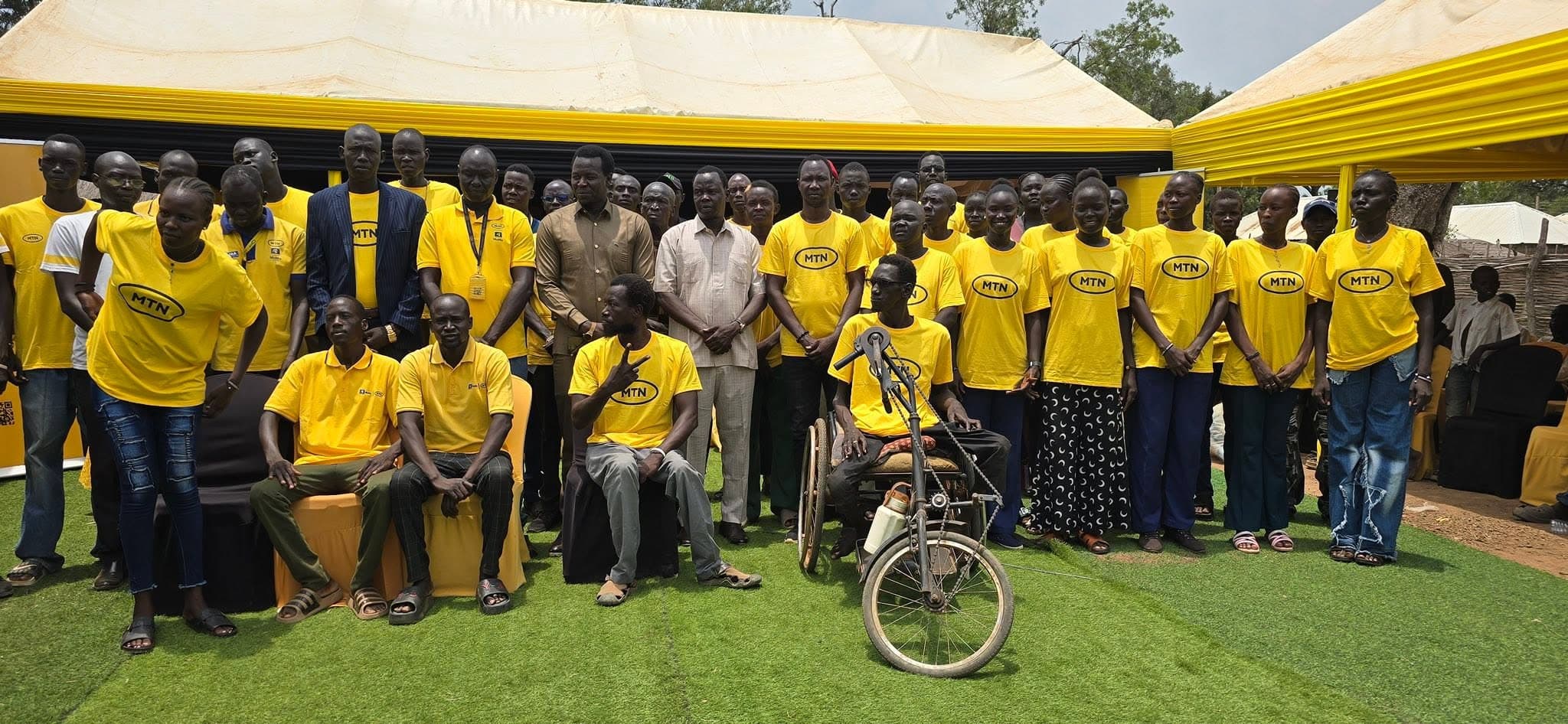
IRO Celebrates 16th Cohort of She Can Code Graduates

AI Quick Summary
- The She Can Code program by Igire Rwanda Organization (IRO), sponsored by Mastercard Foundation, celebrated its 16th graduation for young Rwandan women in frontend and backend development.
- Graduates not only acquired technical skills but also gained confidence and resilience, with many already securing jobs or creating their own solutions.
- IRO leadership stressed the importance of productive internet use and the program's role in empowering girls to overcome challenges and contribute to national development.
- The Ministry of ICT and Innovation affirmed Rwanda's commitment to gender equality in tech, calling on employers to support women's transition from education to employment and leadership roles.
- She Can Code is part of the broader Digital Skills for Employability initiative, led by DOT Rwanda, which aims to train over 10,000 youth in digital literacy and technology.
A new class of young Rwandan women completed their journey in frontend and backend development on Wednesday, as the She Can Code program run by Igire Rwanda Organization (IRO) marked its 16th graduation at Kigali Serena Hotel, with sponsor Mastercard Foundation in attendance with their families and friends.
The ceremony opened with remarks from Project Manager Beza Esther, who said equipping women with digital skills goes beyond learning itself, it opens doors to new opportunities. She noted that several graduates already hold jobs in tech, while others have built their own solutions.
Honnete Nishimwe Speaking on behalf of this cohort; said that if asked what they knew about coding before joining the program, their answer would be very different today. Beyond technical skills, she said, the cohort gained confidence and resilience, and grew into a family whose collective potential now far exceeds what they once imagined.
IRO Leadership Urges Vigilance and Purpose
In his keynote address, IRO Chief Operating Officer Jean Jacques Iradukunda observed that while the government has built the infrastructure, internet access, and devices needed for connectivity, that same infrastructure can become a distraction if left unused productively. Programs like She Can Code, he said, help people channel internet access toward productivity rather than harm.
He noted the program's deliberate focus on girls, citing that more than 20,000 girls face early pregnancy annually in Rwanda, among other challenges. Equipping them with skills, he argued, helps them solve their own problems while contributing to the country's development. He urged graduates to keep developing themselves and become a light for others, adding that the program remains fully free, with transport and lunch provided to keep students focused.
Government Calls for Action Beyond Access
Representing the Ministry of ICT and Innovation, Josephine Mukesha, Director General of the National Identification Agency, said Rwanda's commitment to gender equality in tech is anchored in the Constitution, Vision 2050, and the National Strategy for Transformation. She pointed to initiatives such as Girls in ICT, Ms. Geek Africa, and the 1 Million Coders Initiative, which aims to train a million young Rwandans by 2029.
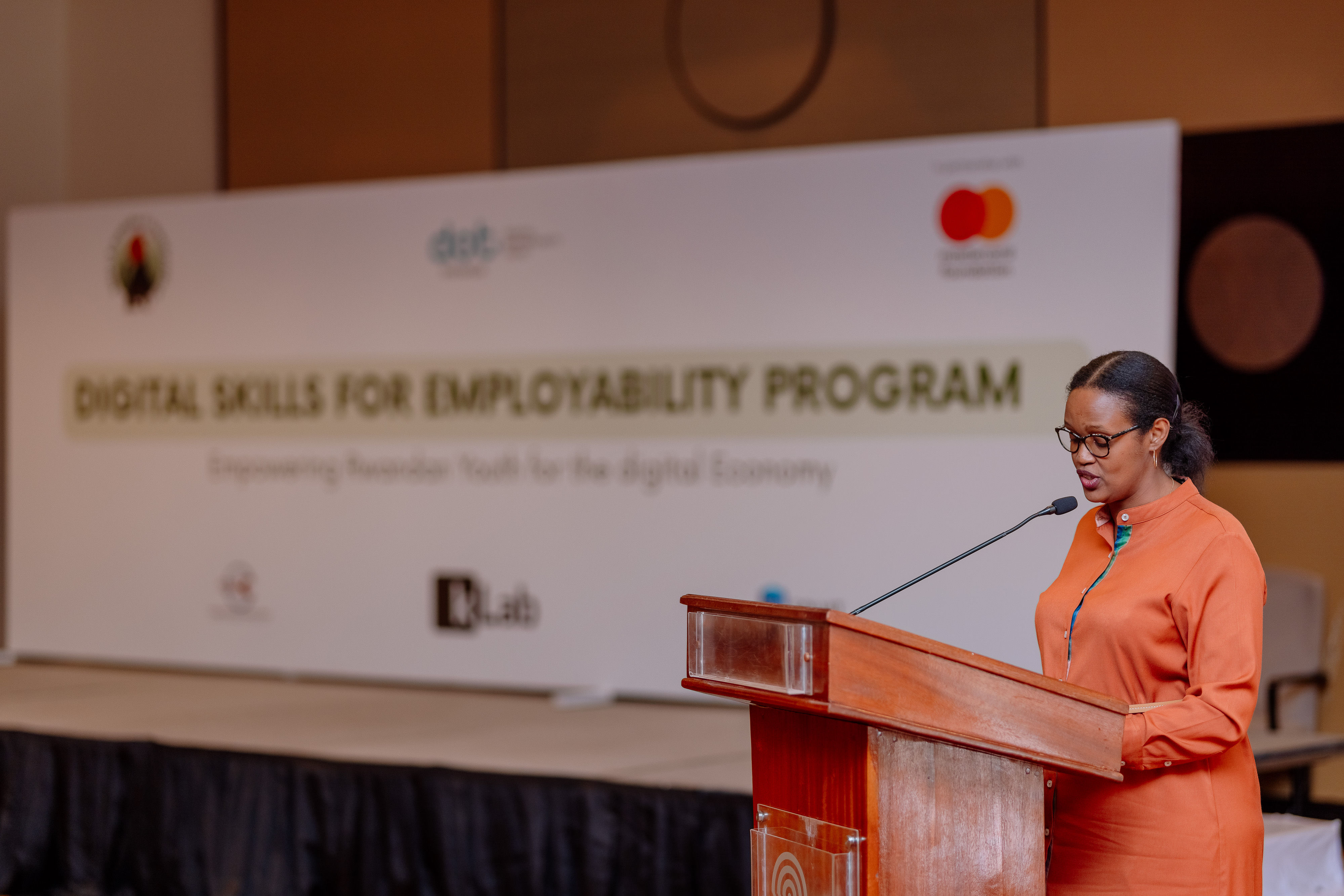
However, she stressed that access alone is not enough. Real gaps persist at critical transition points, from education to employment, and from entry-level roles to senior leadership. She called on employers to commit to internships, prioritize retention, and ensure workplaces remain accessible to women living with disabilities.
"Let us make one commitment: to mentor one young woman, to create one opportunity, to invest in one innovative idea, or to open one door to someone else." — Josephine Mukesha
She Can Code program is also part of a bigger initiative, the Digital Skills for Employability initiative led by DOT Rwanda, which aims to train over 10,000 youth in digital literacy and modern technology. Habimfura Innocent, representing DOT Rwanda, shared progress made so far, reaffirming the initiative's goal of guiding young people toward dignified, fulfilling work.
If you enjoyed this article, follow us on WhatsApp for daily tech updates. If you have an idea, need to be featured or need to partner, reach out to us at editorial@techinika.com or use our contact page.
Don't let the story end here.
Share your thoughts, ask questions, and connect with the community.

Cishahayo Songa Achille
Chief EditorCishahayo Songa Achille is a Rwandan software engineer and tech entrepreneur focused on democratizing digital skills. He is best known as the Founder and Managing Director of Techinika, an edtech firm established in 2020 to make complex technological advances accessible to the general public and build solutions for the biggest problems.
View all articles by Cishahayo Songa Achille →