How Remy Muhire Is Turning African Languages Into AI Infrastructure
AI Quick Summary
- Remy Muhire, CEO of Pindo, is an entrepreneur gaining recognition for developing voice and language AI for African languages, making digital services accessible on basic phones.
- With a Computer Science degree and AI product management training, he co-founded Exuus before establishing Pindo in 2020.
- Pindo specializes in speech-to-text and text-to-speech systems for African contexts, having powered major initiatives like MTN Rwanda’s "Ms. Baza" virtual assistant.
- Muhire also served as Community Lead for Voice Technology at Mozilla, significantly contributing to Kinyarwanda speech datasets for the Common Voice initiative.
- Pindo is currently expanding its support to include Swahili, Luganda, and other regional languages, with backing from Google for Startups and Mozilla Ventures.
Pindo continues its mission to integrate African languages into digital infrastructure, expanding its voice and language AI solutions across the continent.
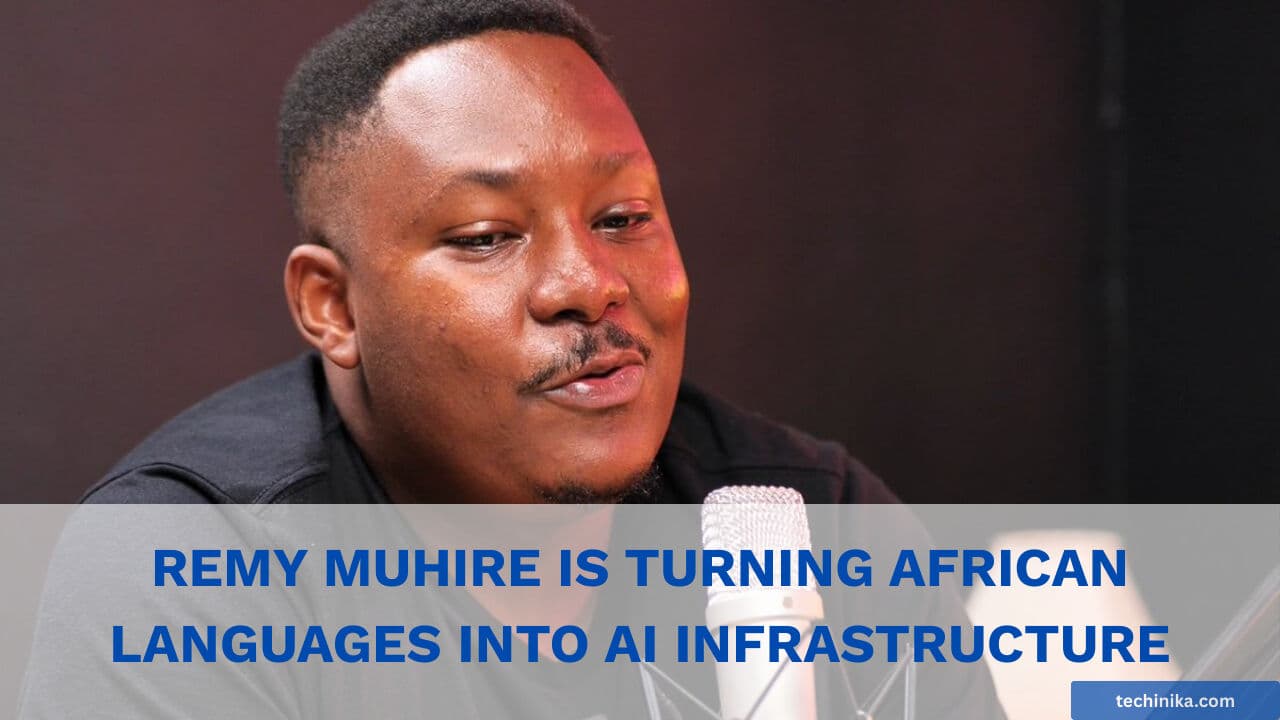
Remy Muhire, a Rwandan tech entrepreneur and CEO of Pindo, is gaining international recognition for his work in building voice and language AI for African languages. His technology allows millions of Rwandans to interact with digital services through voice, USSD, and SMS; even on basic feature phones; ensuring that the AI revolution is inclusive of those without smartphones or high literacy.
From School to Tech Founder
Muhire’s journey began with a strong educational foundation, starting at Collège catholique Père Aupiais and culminating in a Computer Science degree from the University of Rwanda in 2013. Driven by a desire to lead in the emerging field of machine learning, he later completed the AI Product Manager program with Udacity, sharpening his ability to turn complex algorithms into user-friendly products.
In 2016, he co-founded Exuus, a startup focused on digitizing community savings groups. This early venture was critical, as it gave Muhire first-hand experience in designing technology for everyday users in rural and semi-urban settings, where simplicity and trust are the most important features.
Building Pindo
In 2020, Muhire founded Pindo with the specific goal of making voice and language AI accessible in African contexts. The company specializes in developing speech-to-text and text-to-speech systems that organizations can deploy across standard phone lines.
Through Pindo, Muhire has powered major national projects, most notably providing the core AI for MTN Rwanda’s "Ms. Baza" virtual assistant. His work has demonstrated that locally-built AI can compete with global standards while serving users naturally in Kinyarwanda.
Mozilla and African Language AI
Prior to scaling Pindo, Muhire served as the Community Lead for Voice Technology at Mozilla. He was a key architect of the Common Voice initiative in Rwanda, where he led the expansion of Kinyarwanda speech datasets. These open-source contributions provided the essential groundwork for developers across Africa to build their own local-language applications, fostering a wider ecosystem of innovation.
National Impact and the Future
During the COVID-19 pandemic, Muhire helped launch Mbaza, a chatbot delivering accurate health information in Kinyarwanda. By making the platform available via USSD and voice, he ensured that accurate information reached even those with the most basic mobile devices.
Today, Pindo is expanding its reach to support Swahili, Luganda, and other regional languages. Backed by Google for Startups and Mozilla Ventures, Muhire is turning African languages into digital infrastructure. From local schools to national deployments, Remy Muhire is giving Rwanda and Africa a voice in the global AI revolution.
If you enjoyed this article, follow us on WhatsApp for daily tech updates. If you have an idea, need to be featured or need to partner, reach out to us at editorial@techinika.com or use our contact page.
Don't let the story end here.
Share your thoughts, ask questions, and connect with the community.

Kellycie Bayingana
AuthorPassionate about the intersection of technology and storytelling. I am committed to uncovering and sharing the most compelling startup narratives from across Rwanda for Techinika.
View all articles by Kellycie Bayingana →