How Photoshop and ChatGPT Are Coming Together and What It Means for Rwandan Creators
AI Quick Summary
- Adobe is integrating ChatGPT-powered features into Photoshop, enabling image editing through simple text instructions.
- This integration allows users to perform tasks like removing backgrounds, resizing images, adjusting lighting, and generating or editing parts of an image using AI.
- The goal is to make design work faster, easier, and more accessible, especially for non-professional designers.
- This shift is particularly relevant for Rwanda's creative and tech ecosystem, benefiting startups, small businesses, media houses, and content creators by streamlining visual content creation.
- By simplifying complex software with natural language commands, the integration lowers the barrier to entry for design, supporting digital skills development and fostering creative innovation.
Since this article, Photoshop 2026 has been released with expanded AI capabilities including third-party model support for Generative Fill, and Adobe also enabled direct Photoshop editing within ChatGPT itself.
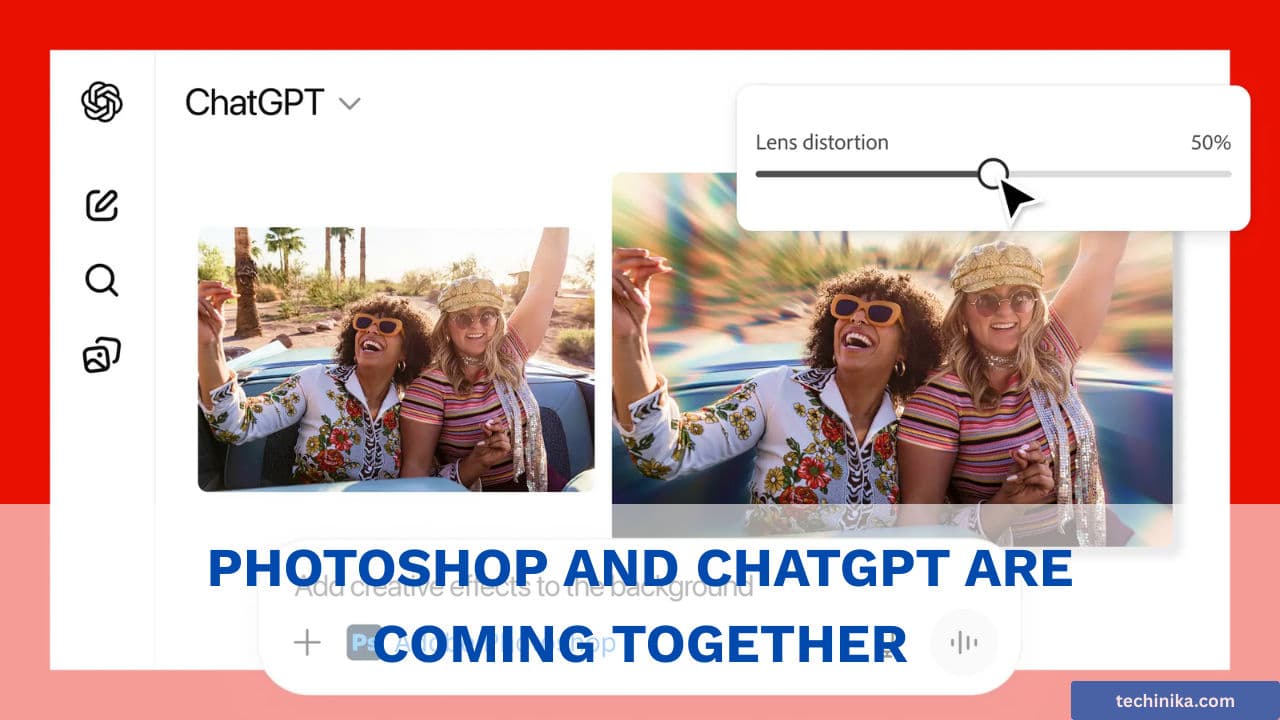
Design work is changing fast, and artificial intelligence is becoming part of everyday creative tools. Adobe has started integrating ChatGPT-powered features into Photoshop, allowing users to edit images using simple text instructions instead of complex tools.
For creators, startups, and media teams in Rwanda, this shift could make design work faster, easier, and more accessible.
What Does the Photoshop and ChatGPT Integration Do?
The integration allows users to describe what they want to do in plain language, and Photoshop handles the technical work. Instead of clicking through multiple menus, users can simply type instructions.
For example, users can ask Photoshop to:
- Remove or replace backgrounds
- Resize images for social media platforms
- Adjust lighting, colours, or sharpness
- Generate or edit parts of an image using AI
This is especially useful for people who are not professional designers but still need quality visuals for work or business.
Why This Matters for Rwanda’s Creative and Tech Ecosystem
In Rwanda, many startups, small businesses, and media platforms rely heavily on visuals for marketing and storytelling. However, not everyone has advanced design skills or time to learn complex software.
By combining AI with Photoshop:
- Small businesses can create marketing materials faster
- Media houses can speed up image editing workflows
- Content creators can focus more on ideas than technical steps
- Students and beginners can learn design more easily
This supports Rwanda’s broader push toward digital skills development and creative innovation.
Making Design More Accessible
One of the biggest advantages of this integration is accessibility. By using natural language, design becomes less intimidating. You don’t need to know every Adobe tool; you just need to explain what you want.
This lowers the barrier to entry for many young creators and entrepreneurs across Rwanda and Africa.
The Bigger Picture
The Adobe–ChatGPT integration shows how AI is moving from being a separate tool to becoming part of everyday software. For Rwanda’s growing digital economy, this could help unlock creativity, productivity, and new opportunities in media, design, and tech-driven businesses.
As AI tools continue to evolve, creators who learn how to use them early will have a clear advantage.
If you enjoyed this article, follow us on WhatsApp for daily tech updates. If you have an idea, need to be featured or need to partner, reach out to us at editorial@techinika.com or use our contact page.
Don't let the story end here.
Share your thoughts, ask questions, and connect with the community.

ISHIMWE Jean Claude
AuthorA technology writer at Techinika, exploring digital innovation and emerging technology trends across Africa. Dedicated to translating complex ideas into meaningful narratives.
View all articles by ISHIMWE Jean Claude →