How Communities of Practice Could Transform Rwanda's Tech Employment Landscape
AI Quick Summary
- Rwanda's Ministry of ICT and Innovation aims to create millions of tech jobs by utilizing "Communities of Practice" (CoPs).
- CoPs are formalized groups of professionals who collaboratively learn, build, and innovate in specific technology areas, offering practical, hands-on experience beyond traditional training.
- Examples of CoPs in Rwanda include Mbaza NLP Community, Rwanda Software Testing Qualifications Board, and Cloud Native Kigali, focusing on local linguistic needs and international standards.
- This approach mirrors Silicon Valley's growth, where informal knowledge exchange among engineers was crucial for skill development and job creation.
- Success depends on sustained government and industry support, alignment with market demands, consistent engagement, and tangible connections to employment opportunities.
Rwanda continues to invest in digital skills development and innovation hubs, with ongoing efforts to leverage communities of practice and private sector partnerships to boost its tech ecosystem and job creation goals.
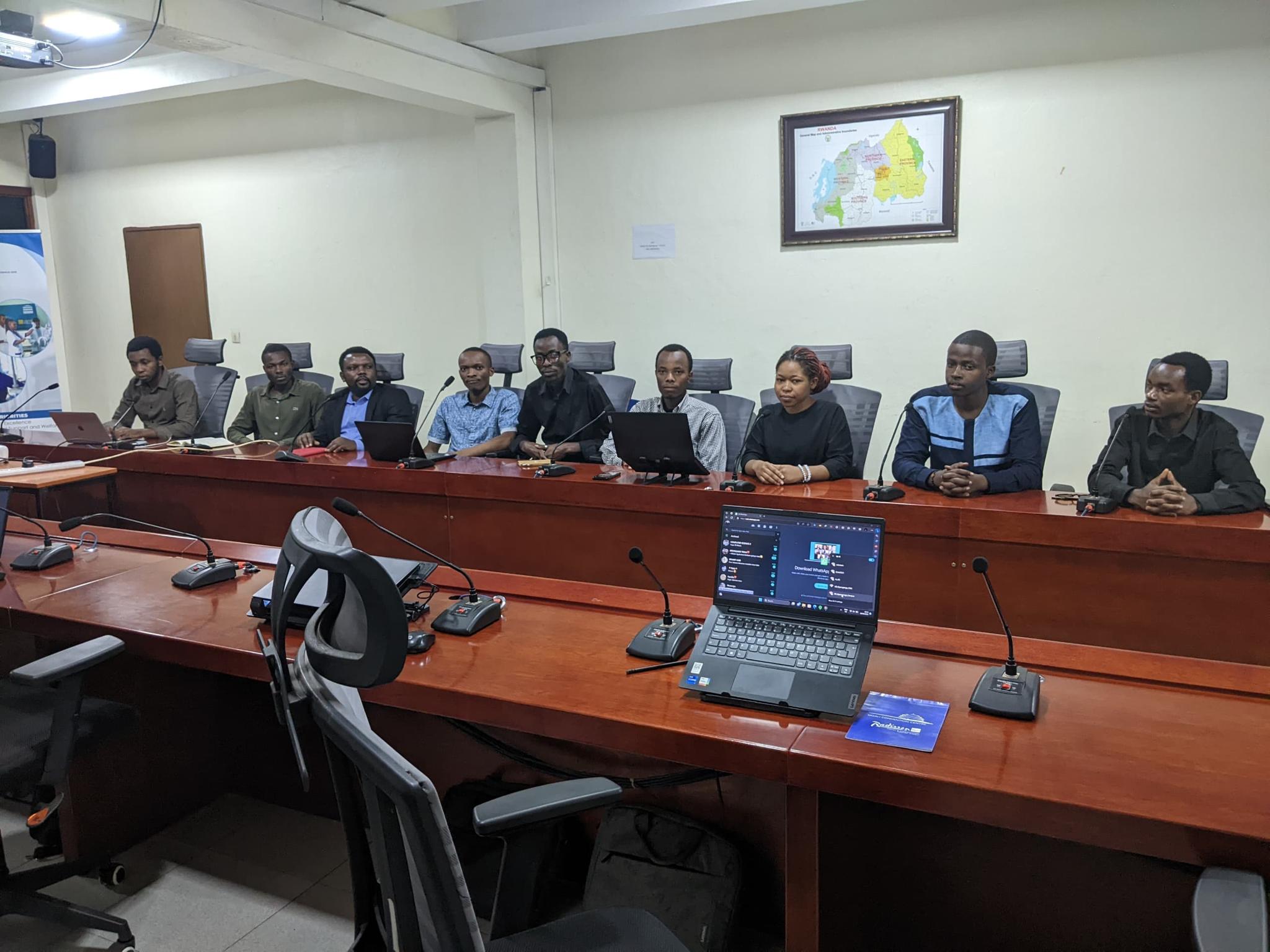
Rwanda's Ministry of ICT and Innovation is banking on a novel approach to generate millions of tech jobs over the next five years: communities of practice bringing together professionals to learn, build, and innovate collaboratively.
Communities of Practice, or CoPs, represent formalized associations of individuals who share interests in specific technology areas or business domains. Unlike traditional training programs or professional associations, these groups regularly work together to exchange knowledge, hone talents, and actively contribute to advancing their field's collective understanding.
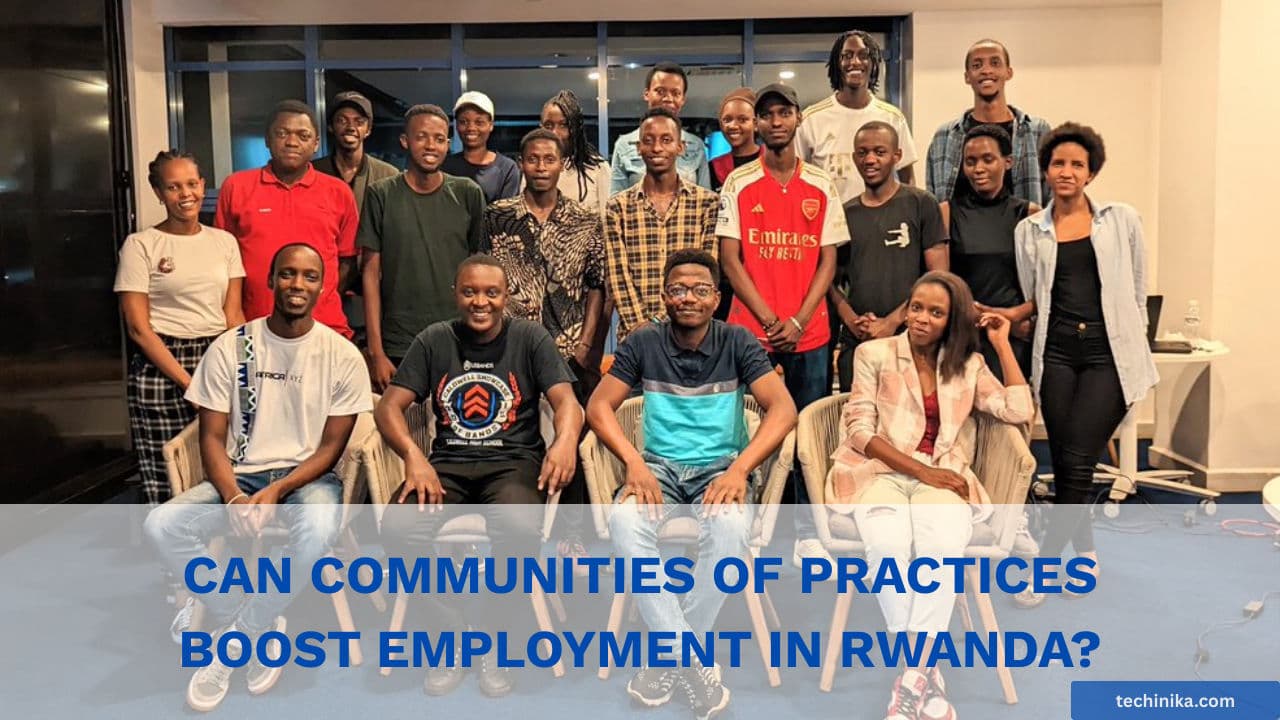
In Rwanda, several technology-focused communities has recently launched, including Mbaza NLP Community for building natural language processing tools supporting local languages, the Rwanda Software Testing Qualifications Board affiliated with International Software Testing Qualifications Board, Rwanda Health Informatics Alliance, Zindi, Open Source Rwanda, React Rwanda, TinyML Community, and Cloud Native Kigali among others.
What Makes Communities of Practice Different
Communities of Practice distinguish themselves from conventional professional networks through their emphasis on practical, collaborative learning. Rather than passive membership in an association, CoPs involve active participation in solving real problems together. The Rwanda Software Testing Qualifications Board, for instance, aims to equip Rwandans with skills to generate thousands of jobs over the next four years by focusing on hands-on testing competencies aligned with international standards. Similarly, Mbaza NLP Community members don't just discuss artificial intelligence; they actively build tools addressing Rwanda and Africa's linguistic needs.
These communities function as safe spaces where professionals share experiences without fear of judgment, fostering trust and continuous knowledge exchange. Research from technology organizations implementing CoPs shows they provide platforms for individuals to learn from one another's experiences, gain insights into best practices, and develop complementary skills that traditional education often overlooks.
The Silicon Valley Precedent
Rwanda's approach mirrors patterns that drove Silicon Valley's transformation into a global technology hub. During the 1960s, engineers from competing semiconductor companies gathered informally at venues like the Wagon Wheel bar, freely sharing ideas across company boundaries. This open culture of knowledge exchange proved critical for Silicon Valley's growth, creating an ecosystem where skills development happened organically through community interaction rather than exclusively through formal education.
The impact was substantial. Studies examining technical workers across various industries revealed how skills developed within communities of practice directly translated to employment opportunities and career advancement. This collaborative learning model helped create the flexible labor markets that enabled Silicon Valley to generate hundreds of thousands of technology jobs over subsequent decades.
Realistic Expectations and Challenges
While the Silicon Valley precedent offers encouragement, Rwanda faces distinct challenges. The government's ambitious goal of generating millions of jobs within five years with the help of communities of practice requires more than enthusiasm. Success depends on several factors; sustained government support providing resources and recognition, active participation from industry partners offering mentorship and employment pathways, and alignment between skills developed in communities and actual market demands.
If your organization has a problem that needs some special skills, the organization could work with a community of practice specializing in that skill. This way, the community members would practice with real-world problems (thus building capable talents pipeline), and the company would get their problem solved (with fewer resources invested).
organizations that support CoPs with dedicated resources, leadership backing, and recognition systems see rapid increases in employee capability and organizational success. However, CoPs require adjustment periods and don't guarantee uniform results across different contexts.
The Rwanda Software Testing Qualifications Board's strategy of affiliating with international standards bodies like ISTQB demonstrates one pathway to credibility and employment outcomes. By ensuring skills learned through the community meet globally recognized benchmarks, participants gain qualifications that transcend local markets. Similarly, communities like Cloud Native Kigali and React Rwanda connecting members to global technology ecosystems position participants for both local and international opportunities.
The Path Forward
For Rwanda's communities of practice to deliver on employment promises, several elements must align.
- First, these communities need consistent engagement rather than sporadic meetings, creating sustained spaces for knowledge transfer and skill development.
- Second, they require tangible connections to employment opportunities through partnerships with hiring companies and clear career pathways.
- Third, they must balance global standards with local relevance, ensuring skills developed address Rwanda's specific technological needs while remaining competitive internationally.
The Digital Impact Alliance's work supporting communities of practice across Africa suggests that when properly structured and supported, these groups effectively break down fragmentation, foster peer learning, and create pathways for digital transformation. The key lies in ensuring communities remain focused on practical outcomes rather than becoming purely social gatherings.
Rwanda's experiment with technology communities of practice represents an innovative approach to employment generation that acknowledges that in rapidly evolving technology fields, collaborative learning often outpaces traditional education. Whether this approach delivers millions of jobs within the government's timeline remains uncertain, but the global precedents suggest that well-supported communities of practice can indeed transform employment landscapes when they connect passionate learners with real opportunities and industry needs.
If you enjoyed this article, follow us on WhatsApp for daily tech updates. If you have an idea, need to be featured or need to partner, reach out to us at editorial@techinika.com or use our contact page.
Don't let the story end here.
Share your thoughts, ask questions, and connect with the community.

Cishahayo Songa Achille
Chief EditorCishahayo Songa Achille is a Rwandan software engineer and tech entrepreneur focused on democratizing digital skills. He is best known as the Founder and Managing Director of Techinika, an edtech firm established in 2020 to make complex technological advances accessible to the general public and build solutions for the biggest problems.
View all articles by Cishahayo Songa Achille →Up Next
What Rwandan Creators Can Learn From Creators Who Built EmpiresBy Cishahayo Songa Achille • 6 min read