Apple Cancels Vision Air, Pivots to Smart Glasses as M5 MacBook Pro & iPad Pro Launch Looms
AI Quick Summary
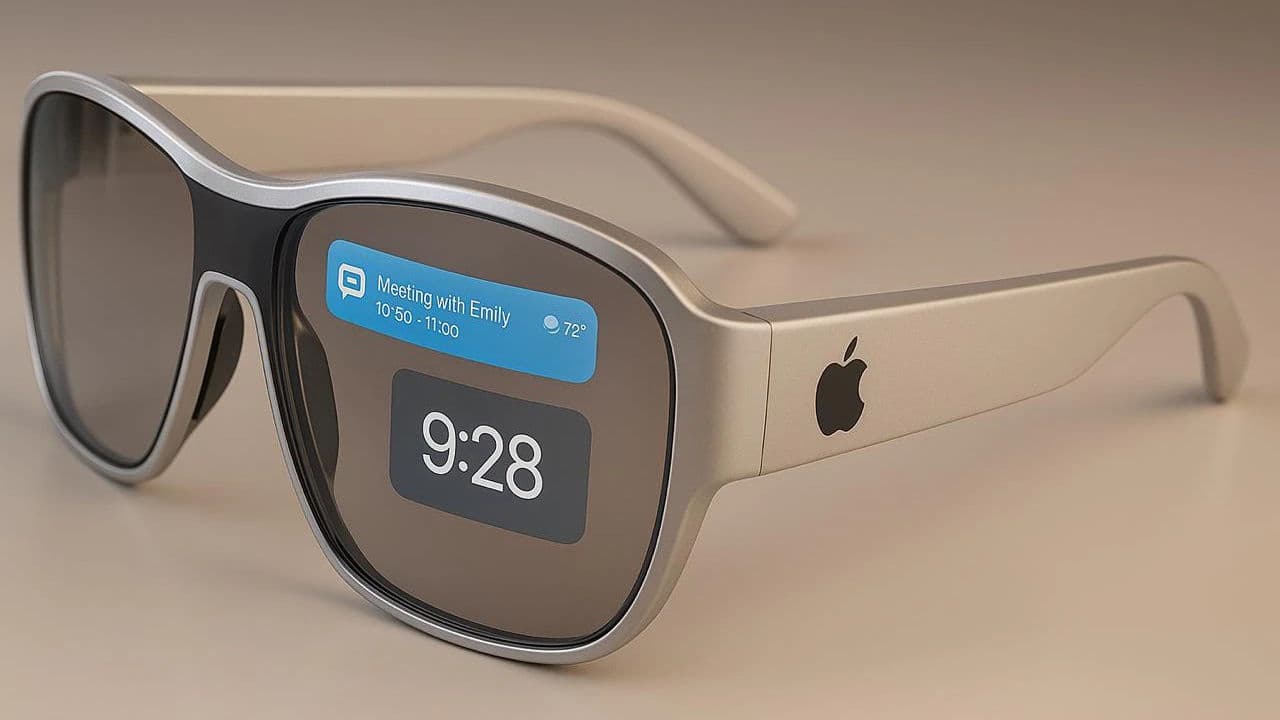
- Apple has shifted its wearable strategy, canceling the affordable Vision Air headset to prioritize AI-powered smart glasses, aiming for a 2027 launch for display-less models and 2028 for display-equipped ones.
- This pivot is a response to the modest adoption of Vision Pro and Meta's success with practical, display-embedded smart glasses.
- Apple continues to sell the current Vision Pro and develop a second generation, but the focus has clearly moved towards lightweight, phone-paired smart glasses with AI capabilities.
- M5 MacBook Pro and M5 iPad Pro models are expected to launch in late October 2025, bringing modest performance improvements.
- Executive team reshuffles are also underway, reflecting the company's new strategic direction towards smart glasses and AI.
As of early 2026, Apple has not yet launched M5 MacBook Pro or iPad Pro models, and details on their smart glasses initiative remain speculative with no official product announcement or confirmed release timeline beyond rumors.
Apple has made a dramatic strategy shift in October 2025, canceling the affordable Vision Air headset to focus on Meta-style AI-powered smart glasses. Bloomberg's Mark Gurman reports this pivot comes as Apple prepares to launch M5 MacBook Pro and M5 iPad Pro models in late October 2025, marking a significant turning point for Apple's wearables and computing strategy.
Why Apple Changed Course
After spending billions on Vision Pro and facing modest adoption, Apple concluded that consumers aren't ready for immersive headsets. According to TechCrunch, the company has reallocated Vision Pro engineers to accelerate smart glasses development, targeting a 2027 launch for display-less glasses and 2028 for display-equipped models.
The catalyst? Meta's success with its display-embedded smart glasses, which offer practical everyday utility without the bulk. Apple's smart glasses will reportedly feature AI capabilities, allowing users to handle navigation, quick replies, and translation through a lightweight, phone-paired wearable.
What This Means for Vision Pro
Vision Pro isn't dead—Apple continues selling the current model and developing a second-generation headset—but the planned "affordable" Vision Air has been indefinitely shelved. This decision reflects Apple's realization that reducing the price alone won't solve Vision Pro's fundamental challenge: most people don't want to wear a headset for extended periods.
Timeline Update: Apple is now fast-tracking smart glasses development. Display-less glasses are slated for 2027, with display-equipped versions following in 2028. This accelerated timeline shows the urgency Apple feels to compete with Meta's growing foothold in the wearables market.
M5 MacBook Pro and iPad Pro: Imminent Launch
While glasses dominate long-term strategy, Apple's immediate focus is on refreshing its Mac and iPad lines. Multiple reports indicate that M5 MacBook Pro and M5 iPad Pro models will launch in late October 2025, with some configurations arriving in early 2026.
Signs point to an imminent announcement:
- FCC model numbers leaked for both M5 iPad Pro and M5 MacBook Pro
- Current M4 models show supply constraints, a typical pre-launch signal
- A Russian YouTuber may already have the new iPad Pro, suggesting retail units are in circulation
- Only 15 weekdays remain in October, narrowing the launch window
The M5 chip is expected to bring modest performance improvements over M4, with the MacBook Pro likely receiving only the new chip as a major update. More significant redesigns—including OLED displays—are rumored for 2026 models.
Executive Team Reshuffle
Alongside product shifts, Apple is reshuffling its executive team. While specific details remain limited, the changes likely reflect the company's pivot toward smart glasses and AI-driven experiences. The Vision Pro team's reassignment to smart glasses work represents one of the most significant resource reallocation moves Apple has made in recent years.
What It All Means
Apple's glasses pivot reveals the company's willingness to adapt when reality doesn't match its vision. Vision Pro, despite impressive technology, failed to find mainstream appeal. By contrast, smart glasses offer practical utility without demanding users isolate themselves from the world.
For developers and app makers, this shift creates new opportunities. As Glass Almanac notes, phone-paired smart glasses could "shrink some iPhone use cases into a wearable while increasing demand for companion apps." Expect navigation, quick replies, translation, and glanceable AI features to migrate from phones to faces.
In the short term, expect M5-powered Macs and iPads to maintain Apple's competitive edge in computing. Long term, the smart glasses bet could define the next decade of Apple's product strategy—if the company can deliver compelling hardware by 2027.
If you enjoyed this article, follow us on WhatsApp for daily tech updates. If you have an idea, need to be featured or need to partner, reach out to us at editorial@techinika.com or use our contact page.
Don't let the story end here.
Share your thoughts, ask questions, and connect with the community.

Cishahayo Songa Achille
Chief EditorCishahayo Songa Achille is a Rwandan software engineer and tech entrepreneur focused on democratizing digital skills. He is best known as the Founder and Managing Director of Techinika, an edtech firm established in 2020 to make complex technological advances accessible to the general public and build solutions for the biggest problems.
View all articles by Cishahayo Songa Achille →