Why 4G Coverage Isn't Enough for Rwanda’s Digital Economy
AI Quick Summary
- Rwanda has achieved widespread 4G coverage but faces a "usage gap," where many with access don't actively use mobile internet.
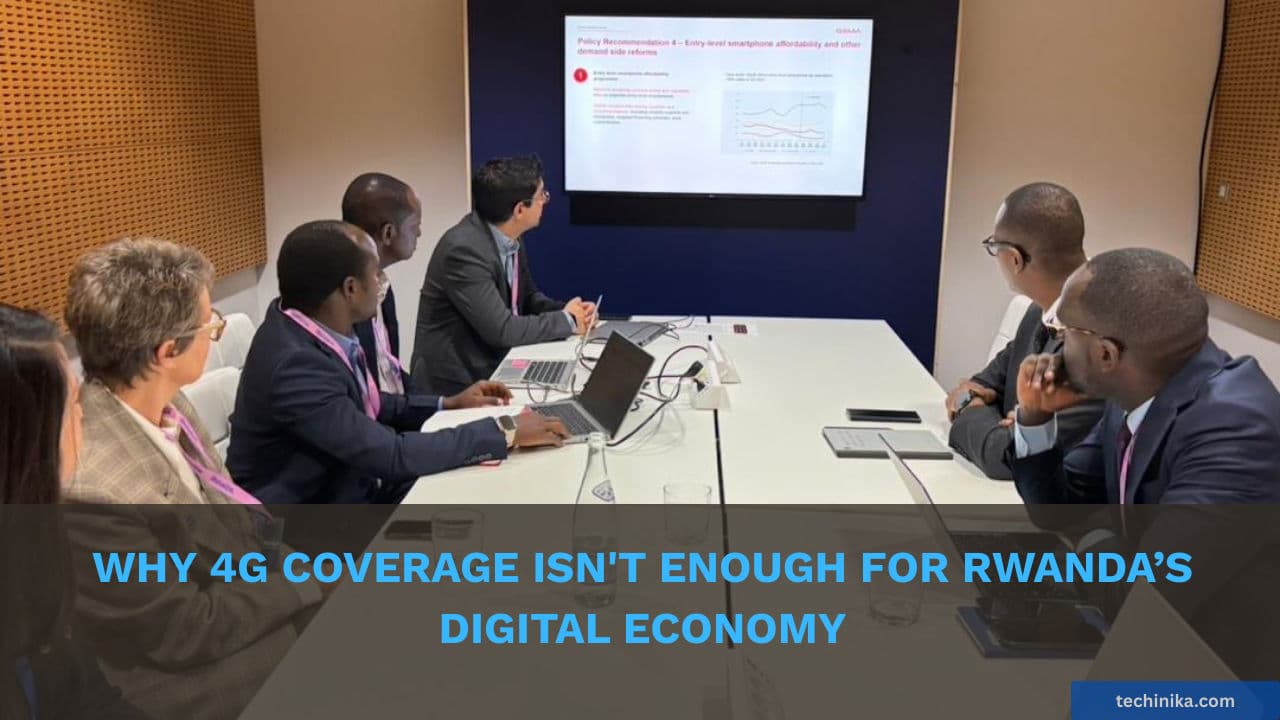
- A joint session between MINICT, RISA, and GSMA reviewed findings on Quality of Service (QoS) and factors contributing to this gap.
- QoS goes beyond mere signal existence, evaluating real-world network performance critical for digital businesses and services.
- Key factors identified for the usage gap include high smartphone costs, data affordability, limited digital literacy, and perceived poor network quality.
- Recommendations focus on improving spectrum efficiency, infrastructure sharing, promoting affordable smartphones, and expanding digital skills programs.
As of December 2024, Rwanda continues to focus on digital inclusion and enhancing network quality, building on initiatives discussed for MWC Kigali 2026.
Rwanda has achieved widespread 4G network coverage across the country. But coverage alone does not guarantee active digital participation. A recent strategic session between the MINICT, the RISA, and the GSMA examined an important question: why do usage gaps still exist despite strong infrastructure expansion?
The meeting reviewed the initial findings of a GSMA study focused on Quality of Service (QoS) and mobile internet usage gaps in Rwanda. It also reaffirmed the ongoing partnership between the Government of Rwanda and GSMA ahead of MWC Kigali 2026, scheduled for June 2026.
Moving Beyond Coverage
Quality of Service goes beyond checking whether a signal exists. It evaluates how well networks perform in real-life conditions. The GSMA study assessed:
- Internet speed and latency
- Network stability and downtime
- Call drop rates
- Congestion during peak usage
While coverage levels are high, performance consistency can vary. For digital businesses, fintech platforms, e-learning systems, and cloud-based services, stable and reliable connectivity is critical.
Understanding the Usage Gap
A usage gap occurs when people live in areas with mobile broadband coverage but do not actively use mobile internet services.
The review identified several possible contributing factors:
- High cost of smartphones
- Data affordability
- Limited digital literacy
- Perception of poor network quality
- Lack of locally relevant digital services
Addressing these barriers is essential for achieving inclusive digital growth.
Key Recommendations Discussed
During the session, stakeholders discussed several technical and policy recommendations:
- Improve spectrum efficiency and optimize network capacity
- Strengthen infrastructure sharing among telecom operators
- Enhance real-time monitoring of service performance
- Promote affordable smartphone access
- Expand digital skills programs
- Use data-driven regulation to improve accountability
The discussions emphasized aligning Rwanda’s telecom standards with global industry benchmarks supported by GSMA.
Why This Matters for the Tech Industry
For Rwanda’s growing digital ecosystem, network performance directly affects:
- Startup scalability
- Fintech reliability
- Cloud adoption
- Remote digital jobs
- AI and data-driven applications
Poor performance reduces user trust and limits digital transformation. Strong Quality of Service improves user experience and supports innovation across sectors.
The timing is also strategic. With MWC Kigali 2026 approaching, Rwanda is positioning itself not just as a country with broad coverage, but as one focused on network excellence and meaningful digital access.
A Shift in Digital Strategy
The session signals a shift in Rwanda’s digital strategy — from expanding infrastructure to improving performance and increasing actual usage.
Closing the usage gap is not only a telecom issue. It is central to economic growth, digital inclusion, and the long-term competitiveness of Rwanda’s technology sector.
As Rwanda prepares to host global telecom and technology leaders at MWC26 Kigali, improving network quality and accelerating inclusive access appear to be key priorities shaping the country’s next phase of digital development.
If you enjoyed this article, follow us on WhatsApp for daily tech updates. If you have an idea, need to be featured or need to partner, reach out to us at editorial@techinika.com or use our contact page.
Don't let the story end here.
Share your thoughts, ask questions, and connect with the community.

Mwiza Zamda
AuthorA technology writer at Techinika with an interest in digital innovation and emerging trends in Africa.
View all articles by Mwiza Zamda →Up Next
Rwanda and Kenya Sign Kigali Declaration to Allow Fintechs Operate Across BordersBy Mwiza Zamda • 2 min read