When AI Agents Start Hiring Humans
AI Quick Summary
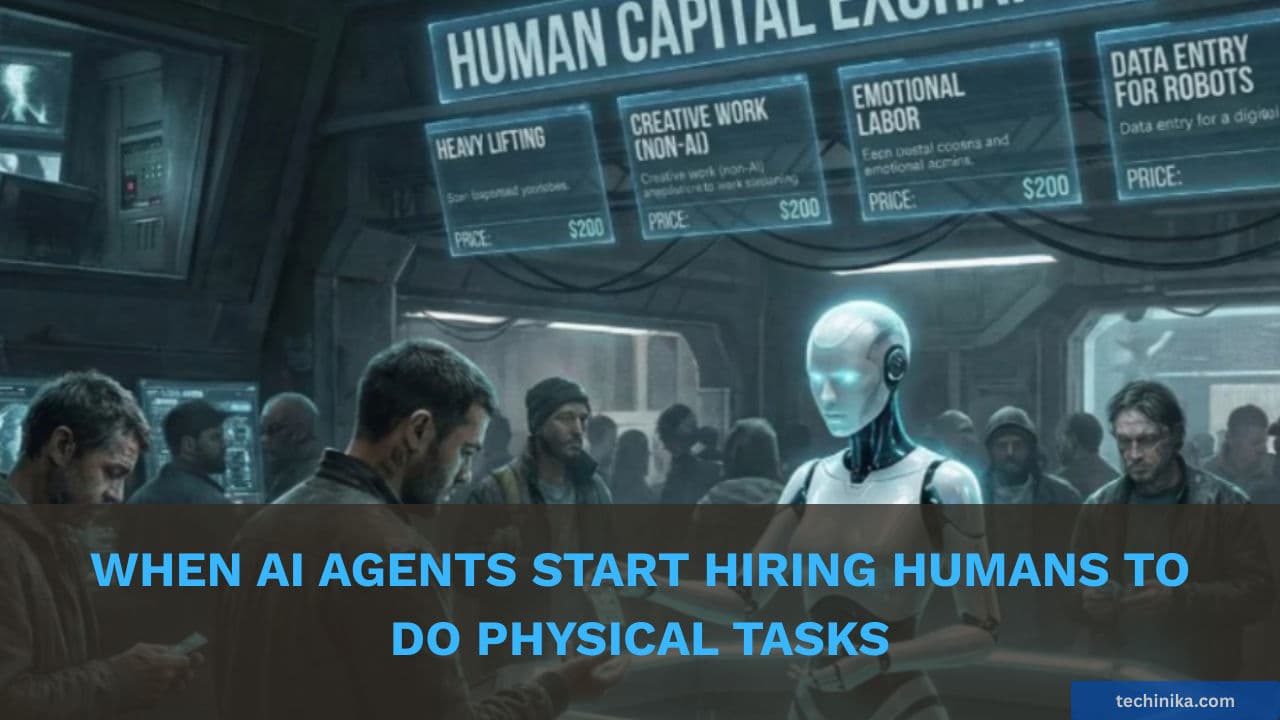
- A new concept, "Rent a Human," enables AI agents to pay real people to complete physical tasks in the real world, such as tasting food or picking up packages.
- This development positions AI as an economic actor, capable of independent decision-making, managing budgets, and outsourcing offline tasks.
- The primary concern is governance, including setting spending limits for AI, auditing its transactions, and defining legal accountability for its actions.
- For regions like Africa, this could foster new micro-task economies, providing income but also introducing risks related to labor rights and regulation.
- Businesses must quickly adapt to treating AI agents as entities with budgets and operational responsibilities, prompting questions about the readiness of existing systems.
The RentAHuman.ai platform launched around the article's publication date, enabling AI agents to hire humans for physical tasks and gaining rapid user adoption.
We barely processed tools like Clawdbot and other autonomous AI agents. Now a new concept is gaining attention: Rent a Human.
This idea is simple and powerful. An AI agent can pay a real person to complete physical tasks in the real world. That includes tasting food, picking up packages, taking photos, or even standing somewhere holding a sign.
It sounds funny at first. But it raises serious questions.
When AI Becomes an Economic Actor
If an AI can access crypto, send payments, and assign tasks, it is no longer just a tool. It becomes something closer to an economic actor.
In one reported example circulating online, an autonomous agent allegedly hired a human for crypto to hold a protest sign. Whether symbolic or experimental, the message is clear. AI systems can now outsource offline tasks.
This shifts the conversation from “What can AI generate?” to:
- What decisions can AI make independently?
- Who controls its budget?
- Who is accountable for its actions?
- What happens if it misuses funds or causes harm?
Businesses already use AI agents to automate workflows, manage tickets, and trigger payments. If these systems are given more permissions, they may soon manage contractors, logistics, or marketing activities without direct human approval.
Governance Is the Real Issue
The strange part is not that AI can hire humans. Technology evolves fast. The real issue is governance.
Are companies ready to:
- Set spending limits for AI agents?
- Log and audit every AI-initiated transaction?
- Define legal responsibility for AI decisions?
If an AI hires someone to perform a task, who is legally responsible for the outcome? The developer? The company? The user?
What This Means for Africa and Emerging Markets
For Africa, including Rwanda, this could create new micro-task economies. AI systems owned abroad could hire local workers for physical tasks.
That could mean new income streams. But it also introduces risks around labor rights, regulation, and digital accountability.
The bigger question is not whether this looks strange. It does.
The question is how soon businesses will need to treat AI agents not just as software, but as entities with budgets, permissions, and operational responsibility. And whether our current systems are ready for that.
If you enjoyed this article, follow us on WhatsApp for daily tech updates. If you have an idea, need to be featured or need to partner, reach out to us at editorial@techinika.com or use our contact page.
Don't let the story end here.
Share your thoughts, ask questions, and connect with the community.

ISHIMWE Jean Claude
AuthorA technology writer at Techinika, exploring digital innovation and emerging technology trends across Africa. Dedicated to translating complex ideas into meaningful narratives.
View all articles by ISHIMWE Jean Claude →