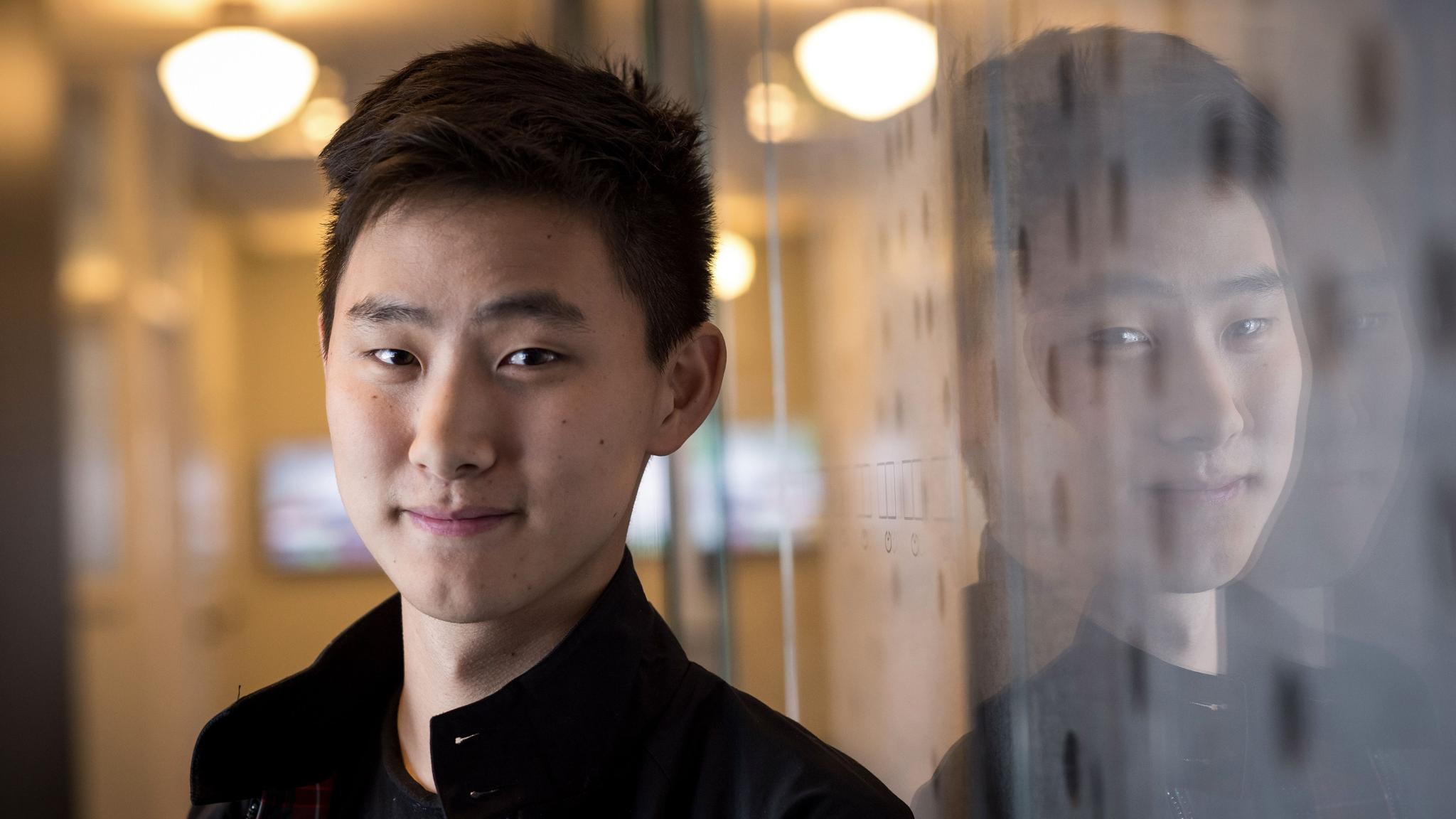
The Story of Alexandr Wang: The Entrepreneur Behind Scale AI
AI Quick Summary
- Alexandr Wang, from Los Alamos and raised by physicist parents, displayed early aptitude in math and programming before dropping out of MIT.
- At 19, he co-founded Scale AI in 2016, identifying the critical need for high-quality, labeled data to train artificial intelligence models.
- Scale AI's platform, combining human expertise with machine learning, provides essential data labeling services to major tech companies and government agencies, supporting key AI breakthroughs.
- The company's rapid success led to Wang becoming the world's youngest self-made billionaire at 24.
- The article states he recently transitioned from CEO of Scale AI to become Meta's chief AI officer, continuing his significant influence on the AI industry.
After the article was written, reports emerged in late 2025 indicating tensions between Alexandr Wang and Mark Zuckerberg over management style at Meta.
If you've heard the name Alexandr Wang, it's likely in connection with his role as a tech founder and a key figure in the world of artificial intelligence. But who is he, and what exactly has he done to earn his reputation? This article will give you a clear, straightforward look at the man behind the company, Scale AI.
The Formative Years
Alexandr Wang's story begins in Los Alamos, New Mexico, a town famous for its role in the development of the atomic bomb. His parents, both Chinese immigrant physicists, worked at the Los Alamos National Laboratory. This environment of scientific rigor and technical innovation clearly had an early and lasting impact on him. From a young age, Wang showed a remarkable talent for math and computer programming, skills he honed through various competitions and Olympiads.
While he briefly attended the prestigious Massachusetts Institute of Technology (MIT), his time there was short-lived. Like many of his Silicon Valley peers, he chose to drop out to pursue his entrepreneurial vision. He had already gained experience as a software engineer at companies like Addepar and Quora, and he saw a big problem that needed to be solved in the burgeoning field of AI.
The Birth of Scale AI
The big problem Wang identified was a fundamental one for artificial intelligence: data. AI models, particularly those for computer vision (which helps computers "see") and natural language processing (which helps them "understand" language), require massive amounts of high-quality, labeled data to learn from. Imagine trying to teach a self-driving car to identify a stop sign. You would need to show it thousands of pictures of stop signs, and each one would have to be meticulously labeled so the car's AI could learn what to look for.
Recognizing this critical need, Wang, at just 19 years old, co-founded Scale AI in 2016. The company's core mission was to provide the "data backbone" for the entire AI industry. They developed a platform that combines human expertise with machine learning to quickly and accurately label vast datasets for other companies. This "human-in-the-loop" approach was a game-changer, ensuring a level of quality and accuracy that was difficult to achieve otherwise.
What Scale AI Does
Scale AI has become an indispensable partner for a wide range of organizations, from tech giants like Meta and Microsoft to government agencies, including the U.S. military. Their services have been used for everything from training autonomous vehicles to evaluating the safety of new large language models. The company's work has been essential for some of the biggest breakthroughs in AI, including the development of platforms like ChatGPT.
Over the years, Scale AI has grown tremendously, with its valuation soaring into the billions. This success made Alexandr Wang the world's youngest self-made billionaire at age 24. While he has recently transitioned from his role as CEO of Scale AI to become Meta's chief AI officer, his legacy as the founder of a company that is foundational to the modern AI landscape is firmly established.
A Vision for the Future
Alexandr Wang's journey is a powerful example of how a deep understanding of a technical problem, combined with a clear entrepreneurial vision, can lead to monumental success. He saw that the future of AI wasn't just about building bigger models, but about building the infrastructure that makes them possible. By focusing on the often-overlooked challenge of high-quality data, he positioned himself and his company at the very heart of the AI revolution.
If you enjoyed this article, follow us on WhatsApp for daily tech updates. If you have an idea, need to be featured or need to partner, reach out to us at editorial@techinika.com or use our contact page.
Don't let the story end here.
Join 12+ others discussing this topic. Share your thoughts, ask questions, and connect with the community.
Up Next
What Do You Know About Clarisse Iribagiza’s Multi-Million Dollar Legacy?By Kellycie Bayingana • 3 minutes read