Rwanda and Ethiopia Turn to AI to Strengthen Strategic Technology Cooperation
AI Quick Summary
- Rwanda and Ethiopia are expanding their partnership to focus on Artificial Intelligence (AI) and advanced technologies, moving beyond traditional defense ties.
- AI cooperation aims to strengthen both national security and technological capacity, impacting sectors like finance, healthcare, logistics, and cybersecurity.
- Key benefits of this collaboration include smarter data analysis for improved intelligence and decision-making, enhanced operational efficiency through machine learning, and robust cybersecurity protection.
- The partnership will also foster joint innovation and skills development, strengthening local tech ecosystems and building high-value digital skills in both countries.
- This initiative supports Rwanda's goal to be a tech hub and Ethiopia's digital transformation, signaling an investment in their digital economies with broader civilian applications.
As of early March 2026, both nations reaffirmed their commitment to deepening defense and AI cooperation, underscoring its strategic importance for regional stability and technological advancement.
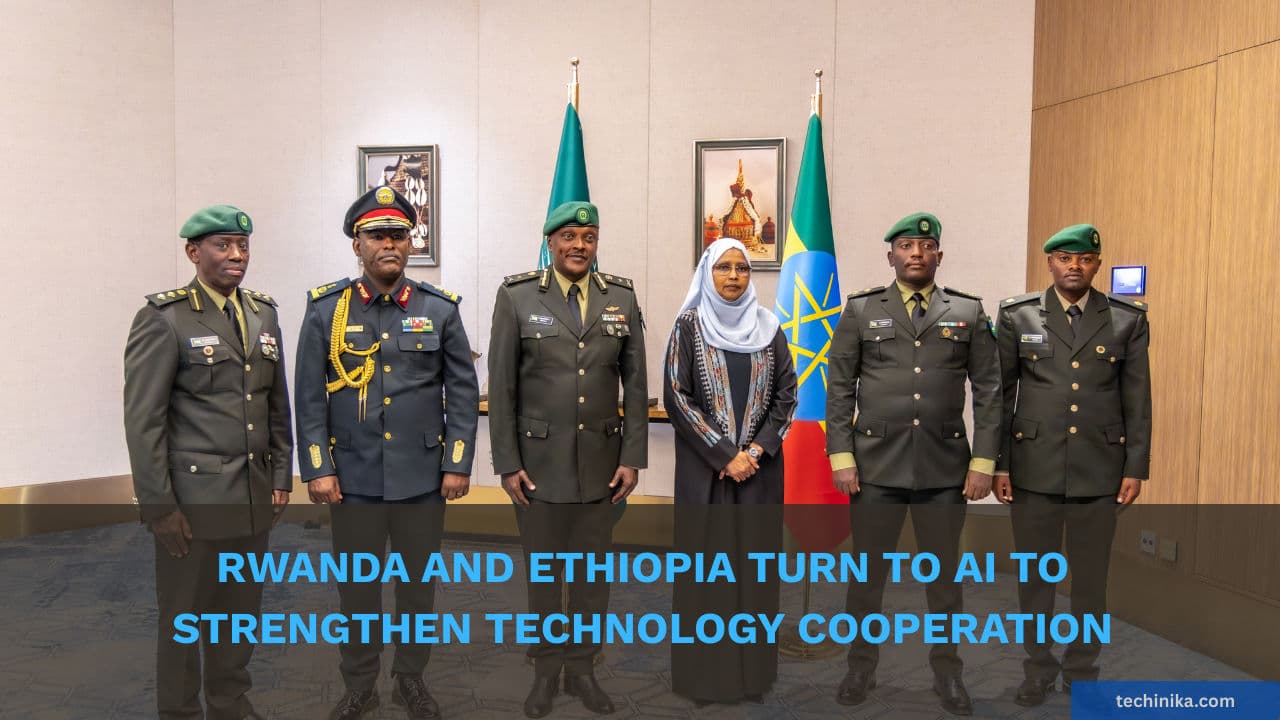
Rwanda and Ethiopia are expanding their bilateral partnership with a growing focus on artificial intelligence and advanced technologies. While discussions between the Rwanda Defence Force and Ethiopia’s Ministry of Defence took place during the 130th anniversary of the Victory of Adwa, the broader significance of the engagement goes beyond traditional defense ties. It reflects a wider shift toward technology-driven security and digital innovation.
Today, AI is not just a military tool. It is part of the global tech industry, transforming sectors such as finance, healthcare, logistics, and cybersecurity. For countries like Rwanda and Ethiopia, cooperation around AI represents an opportunity to strengthen both national security and technological capacity.
How AI Can Support Strategic Cooperation
Artificial intelligence can enhance cooperation between the two countries in several practical ways:
1. Smarter Data Analysis
AI systems can process large volumes of information quickly. This helps improve intelligence analysis, detect patterns, and support faster decision-making. Shared AI research can improve both countries’ analytical capabilities.
2. Improved Operational Efficiency
Machine learning tools can optimize logistics, resource allocation, and communication systems. This reduces costs and increases efficiency in complex operations.
3. Cybersecurity and Digital Protection
As governments become more digital, protecting data and infrastructure is critical. AI-powered cybersecurity tools can detect threats in real time, helping both countries secure their digital systems.
4. Joint Innovation and Skills Development
AI cooperation encourages collaboration between engineers, data scientists, universities, and innovation hubs in both countries. This strengthens the local tech ecosystem and builds high-value digital skills.
A Boost for the Tech Industry
For Rwanda, which has positioned itself as a growing technology and innovation hub in Africa, deeper AI cooperation aligns with its broader digital transformation agenda. The country has invested in digital infrastructure, tech startups, and ICT skills development. Partnerships involving AI can create opportunities for local developers and technology firms to participate in advanced research and system development.
Ethiopia has also expanded its digital transformation programs and ICT investments. By integrating AI into strategic sectors, the country can accelerate knowledge transfer and support innovation-driven growth.
A Technology Partnership
Although the discussions were framed within defense cooperation, the real long-term impact may be in the technology sector. AI research, software development, data systems, and cybersecurity solutions developed through such partnerships can influence civilian industries as well.
Globally, governments are increasingly partnering on emerging technologies to remain competitive and secure. For Rwanda and Ethiopia, AI-based collaboration represents not only a security strategy but also an investment in the future of their digital economies.
As artificial intelligence continues to reshape industries worldwide, partnerships like this show how African nations are positioning themselves within the evolving global tech landscape.
Source: The New Times (Kigali).
If you enjoyed this article, follow us on WhatsApp for daily tech updates. If you have an idea, need to be featured or need to partner, reach out to us at editorial@techinika.com or use our contact page.
Don't let the story end here.
Share your thoughts, ask questions, and connect with the community.

Mwiza Zamda
AuthorA technology writer at Techinika with an interest in digital innovation and emerging trends in Africa.
View all articles by Mwiza Zamda →Up Next
China's New Robotic Technologies Unveiled at 2025 Military ParadeBy Cishahayo Songa Achille • 3 min read