Nigeria Secures $7.5 Million AI Fund to Scale Innovation Across Key Sectors

AI Quick Summary
- Nigeria and the Gates Foundation have established the Nigeria AI Scaling Hub (NAISH) with up to $7.5 million in funding.
- The initiative aims to accelerate the responsible adoption of AI across critical sectors like healthcare, agriculture, and education.
- NAISH will focus on developing AI solutions tailored to local needs, addressing the challenge of limited locally relevant data.
- The hub is also expected to increase demand for AI professionals and foster local talent in machine learning and data processing.
- This represents one of Nigeria's largest commitments to AI, signaling an effort to build a robust AI ecosystem and drive digital transformation.
Nigeria has taken a major step in advancing its artificial intelligence ambitions after the Federal Government signed an agreement with the Gates Foundation to establish the Nigeria AI Scaling Hub (NAISH). Backed by up to $7.5 million in funding and technical support over three years, the initiative aims to accelerate the responsible adoption of AI across healthcare, agriculture, and education.
The new hub is expected to help move promising AI solutions beyond pilot projects and into large-scale implementation, while strengthening collaboration between government, technology companies, researchers, and development partners.
Building AI That Solves Local Problems
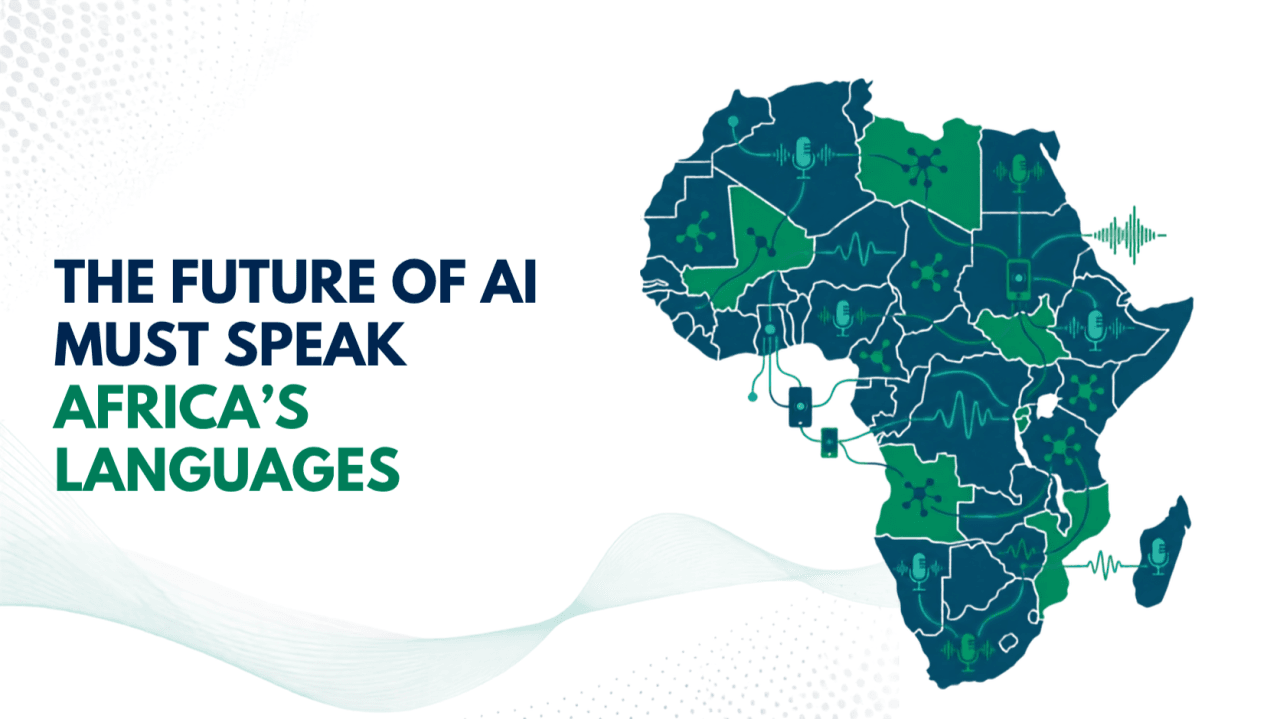
One of the biggest challenges facing AI development in Africa is the lack of locally relevant data. Many AI models are trained on datasets that do not fully reflect African languages, cultures, or everyday experiences, making them less effective when applied to local challenges.
Through the Nigeria AI Scaling Hub, the government plans to support AI systems that are better suited to local needs, particularly in sectors where technology can improve public services and create economic opportunities.
Growing Demand for AI Talent
The initiative is also expected to increase demand for professionals with skills in machine learning, data preparation, and data annotation. These roles are essential for building reliable AI systems, as they help organize and label the data used to train AI models.
As AI adoption expands across Africa, experts say developing local talent will be just as important as investing in infrastructure. Building AI that understands African contexts will require engineers, researchers, and data specialists who can create high-quality local datasets and develop solutions for regional challenges.
Looking Ahead
Nigeria's AI Scaling Hub represents one of the country's largest public commitments to artificial intelligence in recent years. Beyond the $7.5 million investment, the initiative signals a broader effort to build an AI ecosystem that supports innovation while addressing real-world challenges in critical sectors.
As more African countries invest in AI, initiatives like this could help shape a future where locally developed data, talent, and technology drive the continent's digital transformation.
If you enjoyed this article, follow us on WhatsApp for daily tech updates. If you have an idea, need to be featured or need to partner, reach out to us at editorial@techinika.com or use our contact page.
Don't let the story end here.
Share your thoughts, ask questions, and connect with the community.

ISHIMWE Jean Claude
AuthorA technology writer at Techinika, exploring digital innovation and emerging technology trends across Africa. Dedicated to translating complex ideas into meaningful narratives.
View all articles by ISHIMWE Jean Claude →