"ChatGPT Go" Goes Global: What Ads Testing in the US Means for Everyone Else
AI Quick Summary
- OpenAI introduced ChatGPT Go, an $8/month subscription available globally, initially launched in India in August 2025.
- The "Go" tier offers 10 times more messages, file uploads, and image generations using the GPT-5.2 Instant model, positioned between the free and $20/month Plus versions.
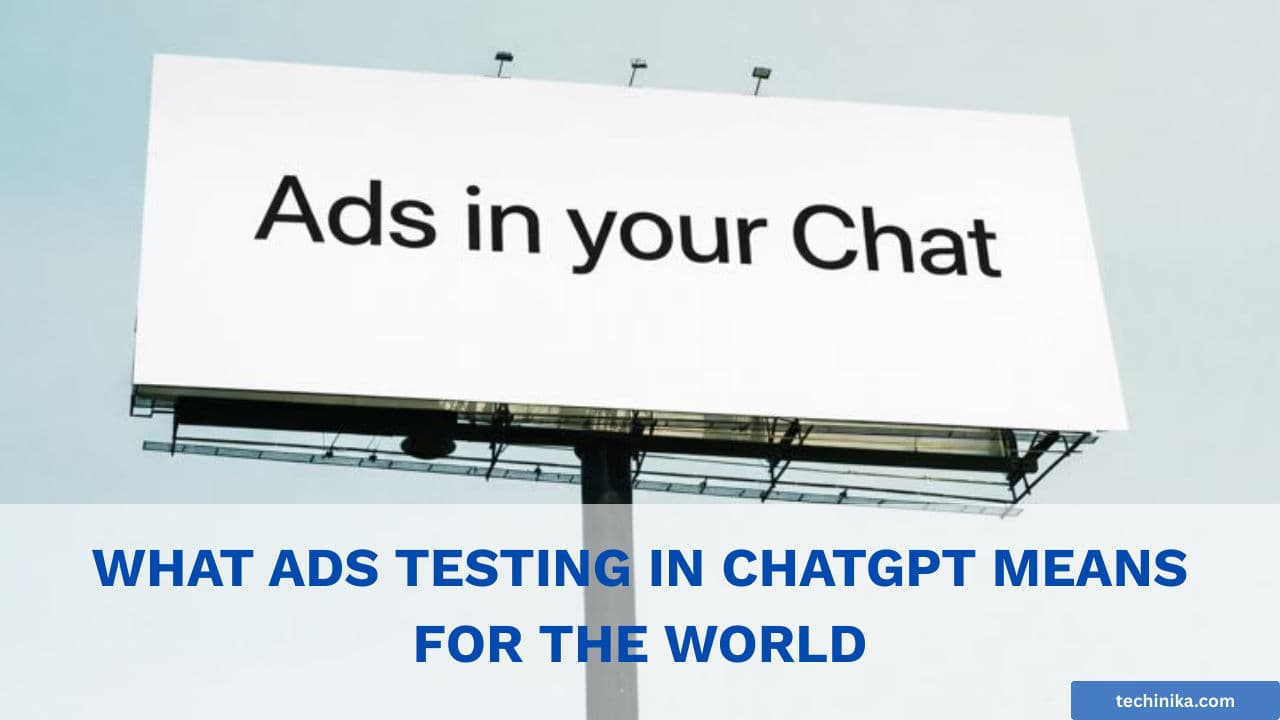
- The company also announced it would begin testing ads in the free and Go tiers in the United States to keep AI accessible and affordable for a wider user base.
- OpenAI outlined strict principles for ads, ensuring they are clearly labeled, contextually relevant, appear at the bottom of conversations, and do not influence ChatGPT’s responses or compromise user privacy.
- While ads are currently US-only, the free and Go tiers are considered ad-supported long-term, suggesting potential future expansion to international markets.
Ad testing in the free and Go tiers was scheduled to commence in the US in the weeks following this announcement.
OpenAI has expanded access to ChatGPT with ChatGPT Go, an $8 per month plan first launched in India in August 2025 and now available worldwide. The subscription offers more messages, file uploads, and image generation than the free tier. On Friday, January 16, 2026, the company also announced it is testing ads in ChatGPT, currently limited to the United States. This highly anticipated move could create a new revenue stream for the AI startup.
What Is ChatGPT “Go”?
The “Go” tier is designed for users who find the free version too restrictive but don’t need the $20 monthly cost of ChatGPT Plus.
- The Model: It runs on GPT-5.2 Instant, the fast variant of the latest model series.
- The Limits: Subscribing to Go gives users 10 times more messages, file uploads, and image generations than the free tier.
- The Reasoning Gap: Unlike the $20 Plus plan, Go does not include the “Thinking” or “Pro” variants of GPT-5.2, which are designed for deeper reasoning, complex analysis, and advanced coding tasks.
The Company’s Approach to Accessibility
The move is being framed not as a revenue grab, but as a necessary step to keep AI affordable. In its announcement, the company stated:
“Ads support our commitment to making AI accessible to everyone by helping us keep ChatGPT available at free and affordable price points.”
OpenAI CEO Sam Altman echoed this position on X (formerly Twitter), noting that many users want frequent access to AI tools without paying premium prices. He suggested that useful, well-placed ads could offer a sustainable middle ground.
How Ads Will Work (and How They Won’t)
To address concerns around neutrality and trust, several principles were outlined for advertising on ChatGPT:
- Answer Independence: OpenAI says it will not accept payment to influence ChatGPT’s responses.
- Placement: Ads will appear at the bottom of conversations, clearly labeled as “Sponsored,” and only when contextually relevant.
- Privacy: User conversations will not be sold to advertisers.
- Safety: Ads are prohibited in chats involving health, mental health, or political topics.
What This Means for Rwanda and Other International Markets
While ads are currently US-only, OpenAI has made it clear that the free tier and Go are considered ad-supported plans in the long term. This means international users may eventually see ads once testing expands.
At the same time, a global ad rollout could open new opportunities for local and regional businesses to appear in AI-driven, context-based placements; if and when OpenAI enables advertising outside the US.
Ultimately, the launch of ChatGPT Go reflects a broader shift in the AI economy. By pairing affordability with advertising, the company is testing our willingness to accept a "subsidized" mind. As OpenAI refines this experience, they have committed to user agency; allowing users to dismiss irrelevant content and provide feedback, ensuring that even in an ad-supported future, the user remains in the driver's seat.
If you enjoyed this article, follow us on WhatsApp for daily tech updates. If you have an idea, need to be featured or need to partner, reach out to us at editorial@techinika.com or use our contact page.
Don't let the story end here.
Share your thoughts, ask questions, and connect with the community.

Kellycie Bayingana
AuthorPassionate about the intersection of technology and storytelling. I am committed to uncovering and sharing the most compelling startup narratives from across Rwanda for Techinika.
View all articles by Kellycie Bayingana →