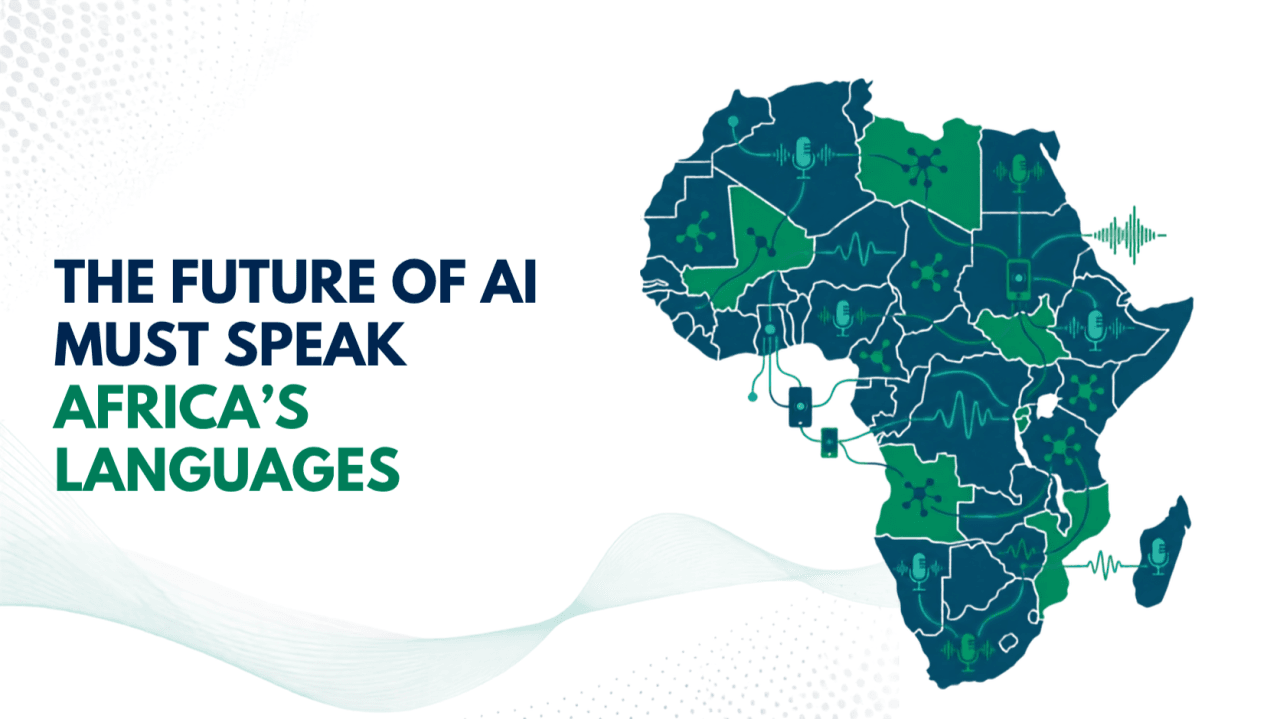
AI is a collection of tools profoundly transforming daily life and industries, enabling computers to perform human-like tasks such as learning, reasoning, and problem-solving.
In healthcare, AI revolutionizes diagnosis by analyzing medical scans, personalizes treatment plans based on patient data, and significantly accelerates drug discovery.
The financial sector leverages AI for enhanced fraud detection, high-speed algorithmic trading, and more inclusive credit scoring by analyzing diverse data sources.
AI is the core technology powering autonomous vehicles for safer navigation and optimizing complex supply chains through demand prediction and efficient routing.
In education, AI creates personalized learning paths and automates administrative tasks, while in creative industries, it serves as a co-pilot for generative content creation and production assistance.
Since September 2025, AI has notably advanced with agentic systems moving into mainstream deployment, increasingly acting as autonomous collaborators and continuing its shift from experimentation to profound real-world impact across various sectors.
Artificial Intelligence (AI) has moved from the realm of science fiction into our daily lives, quietly and profoundly transforming how we work, live, and interact with the world. Rather than a singular technology, AI is a collection of tools and techniques that allow computers to perform tasks that typically require human intelligence, such as learning, reasoning, and problem-solving. This revolution is not a distant future; it's happening right now, with tangible impacts across every major industry.
Healthcare: A New Era of Diagnosis and Treatment
AI is revolutionizing healthcare by enhancing diagnostic accuracy, personalizing treatment plans, and accelerating drug discovery.
Diagnosis and Medical Imaging: AI models, trained on vast datasets of medical scans, can now detect diseases like cancer or diabetic retinopathy with greater speed and accuracy than human eyes alone. For instance, AI algorithms can analyze thousands of MRI or CT scans to identify subtle anomalies, flagging potential issues for doctors to review.
Personalized Medicine: AI analyzes a patient's genetic information, lifestyle, and medical history to predict how they will respond to different treatments. This allows doctors to create highly personalized medication dosages and treatment plans, moving away from a one-size-fits-all approach.
Drug Discovery: The process of bringing a new drug to market can take over a decade and cost billions of dollars. AI is drastically speeding this up by identifying potential drug candidates and predicting their effectiveness. Instead of testing thousands of compounds in a lab, AI can sift through molecular data to find the most promising ones.
Finance: Smarter, Faster, and More Secure
In the financial sector, AI is automating complex processes, improving security, and enabling more personalized services.
Fraud Detection: AI systems are constantly learning from transaction data to identify patterns of fraudulent activity.
Finance data visualization chart
When a system detects an unusual purchase—like a large, out-of-state transaction on a card that's typically used locally—it can immediately flag or block the transaction, often in real-time. This protects both banks and consumers from financial crime.
Algorithmic Trading: AI-powered algorithms analyze market data at speeds and scales impossible for humans. These systems can execute trades in milliseconds based on predictive models, helping traders to capitalize on fleeting opportunities and manage risk more effectively.
Credit Scoring and Risk Assessment: AI is expanding access to credit by using alternative data sources. Instead of relying solely on traditional credit history, AI models can analyze data from utility payments, mobile phone usage, and online purchase behavior to create a more comprehensive and inclusive credit profile, particularly for unbanked populations.
Transportation and Logistics: The Road to Autonomy
AI is the core technology behind self-driving vehicles and optimized supply chains.
Autonomous Vehicles:Showing sensors of a self-driving car
AI and machine learning power the sensors, cameras, and software that enable self-driving cars to perceive their environment, predict the behavior of other drivers and pedestrians, and navigate safely. The goal is to reduce human error, which is the cause of most traffic accidents.
Supply Chain Optimization: AI is used to manage and optimize complex logistics networks. Algorithms can predict demand fluctuations, route delivery vehicles more efficiently to save fuel and time, and even anticipate potential delays due to weather or traffic, allowing companies to react proactively.
Education: Tailored Learning Experiences
AI is making education more accessible and personalized for students of all ages.
Personalized Learning Paths: AI can assess a student's strengths and weaknesses and then create a customized curriculum for them. If a student is struggling with a specific math concept, the AI tutor can provide additional exercises and explanations, while also accelerating the pace for concepts they've already mastered.
Administrative Automation: AI tools automate tasks for educators, such as grading multiple-choice exams, providing basic feedback on essays, and managing student enrollment data. This frees up teachers' time to focus on what they do best: teaching and mentoring students.
Creative Industries: The New Co-Pilot
AI is not just for data and numbers; it’s becoming a powerful tool for creators.
Generative AI for Content Creation: Tools like large language models and image generators are allowing artists, writers, and designers to create content at an unprecedented pace. For example, a marketing team can use AI to generate multiple versions of ad copy or visual concepts in minutes, which they can then refine and edit.
Music and Film Production: AI is being used to compose music, generate special effects, and even create rough cuts of films. While these tools are not a replacement for human creativity, they act as powerful co-pilots that automate tedious tasks and unlock new creative possibilities.
Conclusion
The impact of AI is undeniable. It's not a single, looming force but a set of specialized tools that are being integrated into the fabric of our society. From making healthcare more precise to making our roads safer and empowering creative minds, AI's role is to augment human capability and drive efficiency. As AI continues to evolve, its influence will only grow, creating new challenges and opportunities for every sector of our global economy.
Cishahayo Songa Achille is a Rwandan software engineer and tech entrepreneur focused on democratizing digital skills. He is best known as the Founder and Managing Director of Techinika, an edtech firm established in 2020 to make complex technological advances accessible to the general public and build solutions for the biggest problems.