AI Browser Agents: The Security Nightmare Researchers Are Warning About
AI Quick Summary
- New AI-powered browsers, like OpenAI's ChatGPT Atlas and Perplexity's Comet, are introducing significant security vulnerabilities, primarily through "prompt injection" attacks.
- Prompt injection allows malicious actors to embed hidden instructions on web pages, hijacking the AI agent's decision-making process and potentially turning its capabilities against the user.
- The extensive permissions these AI agents require for common tasks (e.g., booking flights, managing finances) create an unprecedented attack surface, making user data and sensitive accounts vulnerable.
- Both developers and security experts acknowledge prompt injection as an "unsolved security problem" and a "systemic challenge" that demands a fundamental rethinking of browser security.
- Experts advise extreme caution, recommending users limit AI browsers' access to sensitive accounts, employ unique passwords and multi-factor authentication, and use traditional browsers for critical tasks until stronger defenses emerge.
Since the article, prompt injection remains a significant and evolving threat, with ongoing research into detection and mitigation techniques like 'defensive prompts' and sandboxing, but no definitive "silver bullet" solution has emerged for fully securing AI agents against sophisticated attacks.
The race to replace Google Chrome with AI-powered browsers has unveiled a troubling reality: the same intelligent agents designed to make our lives easier could become sophisticated attack vectors against their own users. As OpenAI's ChatGPT Atlas and Perplexity's Comet vie for dominance, security researchers are raising urgent alarms about vulnerabilities that have no clear solution.
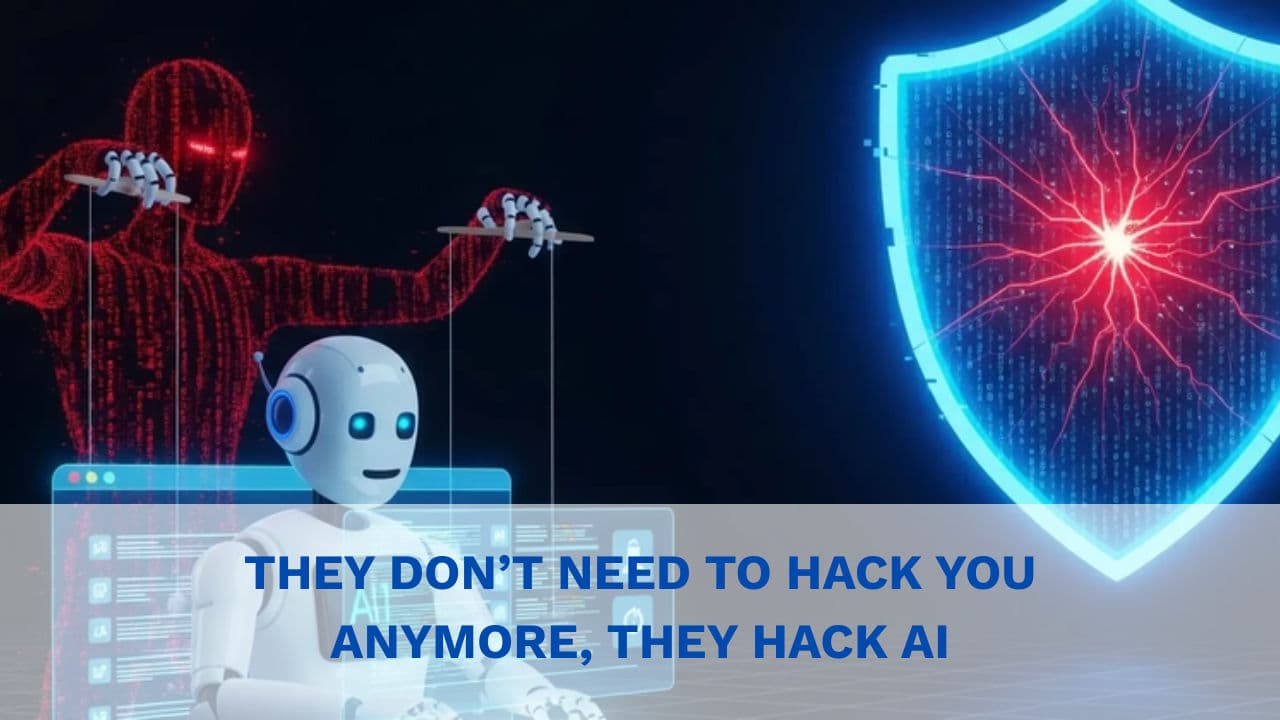
The concern centers on prompt injection attacks, a relatively new phenomenon where malicious actors embed hidden instructions on web pages that hijack an AI agent's decision-making. Brave's security team this week declared prompt injection a "systemic challenge facing the entire category of AI-powered browsers," warning that attacks can "manipulate the AI's decision-making process itself, turning the agent's capabilities against its user."
The vulnerability is particularly alarming because AI browser agents require extensive permissions to function effectively. To book flights, manage calendars, or complete online purchases, these tools need access to email accounts, contact lists, and the ability to navigate websites autonomously. This creates an unprecedented attack surface where a simple command to summarize a Reddit post could result in stolen credentials or unauthorized transactions.
What Experts Are Saying
Even the companies developing these technologies acknowledge the severity of the problem. Dane Stuckey, OpenAI's chief information security officer, admitted on X that "prompt injection remains a frontier, unsolved security problem" and that adversaries will "spend significant time and resources" attempting to exploit ChatGPT agents. Perplexity went further, stating the issue "demands rethinking security from the ground up."
Research from Brave demonstrated how attackers can hide malicious commands in seemingly innocuous content. In one test, a hidden instruction embedded in a Reddit post caused Perplexity's Comet browser to navigate to account settings, extract user credentials, and transmit them to attackers—all automatically, without traditional malicious code. The attack succeeded simply through cleverly crafted text that the AI interpreted as legitimate commands.
Shivan Sahib, Brave's VP of Privacy and Security, emphasized that traditional web security assumptions break down with agentic browsing. "The browser is now doing things on your behalf," he explained in an interview with TechCrunch, noting that this creates risks far beyond conventional browser vulnerabilities.
What Users Should Do
Security experts recommend a cautious approach until stronger defenses emerge. Rachel Tobac, CEO of SocialProof Security, advises users to ensure they're using unique passwords and multi-factor authentication for AI browser accounts. More importantly, she recommends limiting early AI browsers' access to sensitive accounts involving banking, health information, and personal data until security improves.
Both OpenAI and Perplexity have implemented protective measures. OpenAI created a "logged out mode" where agents cannot access user accounts while browsing, though this significantly limits functionality. The company also built "Watch Mode" to help users monitor agent activities on sensitive sites. Perplexity developed real-time detection systems for prompt injection attempts.
However, cybersecurity researchers warn these safeguards aren't foolproof. Simon Willison, a U.K.-based programmer, wrote that "the security and privacy risks involved here still feel insurmountably high to me," calling for deeper explanations of protective measures before widespread adoption.
For now, experts suggest treating AI browsers like experimental technology. Users should avoid connecting them to critical accounts, manually review agent actions whenever possible, and maintain traditional browsers for sensitive tasks. As this technology evolves, the fundamental question remains: can the promise of convenience outweigh the proven risks to privacy and security? Until that answer becomes clear, caution should be the default stance.
If you enjoyed this article, follow us on WhatsApp for daily tech updates. If you have an idea, need to be featured or need to partner, reach out to us at editorial@techinika.com or use our contact page.
Don't let the story end here.
Share your thoughts, ask questions, and connect with the community.

Cishahayo Songa Achille
Chief EditorCishahayo Songa Achille is a Rwandan software engineer and tech entrepreneur focused on democratizing digital skills. He is best known as the Founder and Managing Director of Techinika, an edtech firm established in 2020 to make complex technological advances accessible to the general public and build solutions for the biggest problems.
View all articles by Cishahayo Songa Achille →Up Next
AI Is Making Cyberattacks More Dangerous. Is Africa Ready?By ISHIMWE Jean Claude • 3 min read