Africa Doesn't Need More Learning Platforms
AI Quick Summary
- The proliferation of learning management systems in Africa often overlooks the fundamental issue: a lack of foundational digital literacy, not content.
- Many existing platforms primarily serve those already digitally savvy, failing to reach the majority who struggle with basic digital navigation and the purpose of online learning.
- Real-world examples show that simple guides for essential digital tasks are more impactful than advanced tech courses, highlighting a need for basic, practical understanding.
- The focus should shift from building more learning platforms to fostering digital awareness, teaching critical navigation skills, and cultivating intrinsic curiosity in learners.
- Unlocking Africa's digital potential requires addressing core learning capacities and understanding why people need digital skills, rather than merely providing more content or tools.
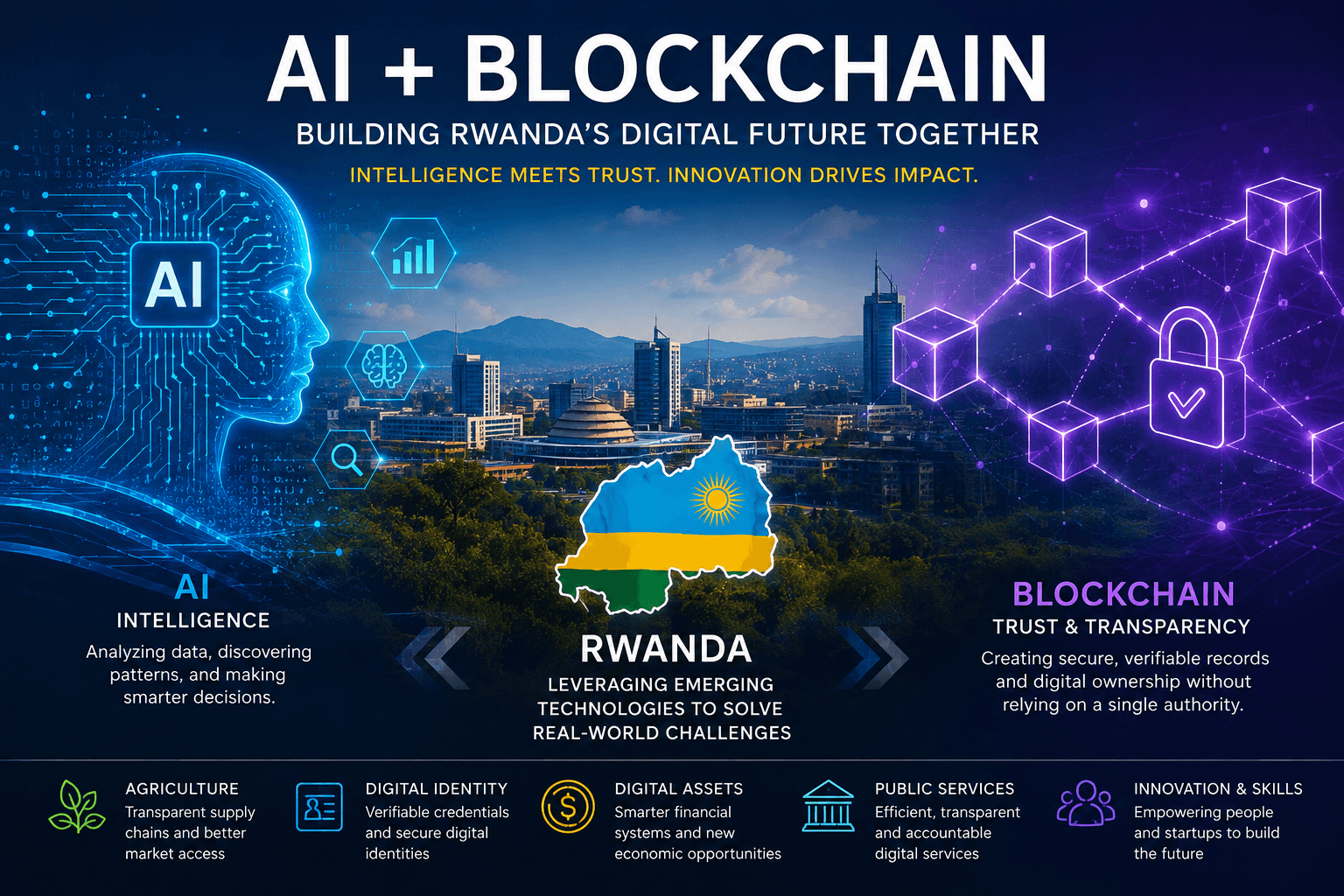
Since the article was written, Techinika announced its 'Genesis' vision for an official May 2026 launch, aiming to become a definitive media destination for Rwanda's tech ecosystem.
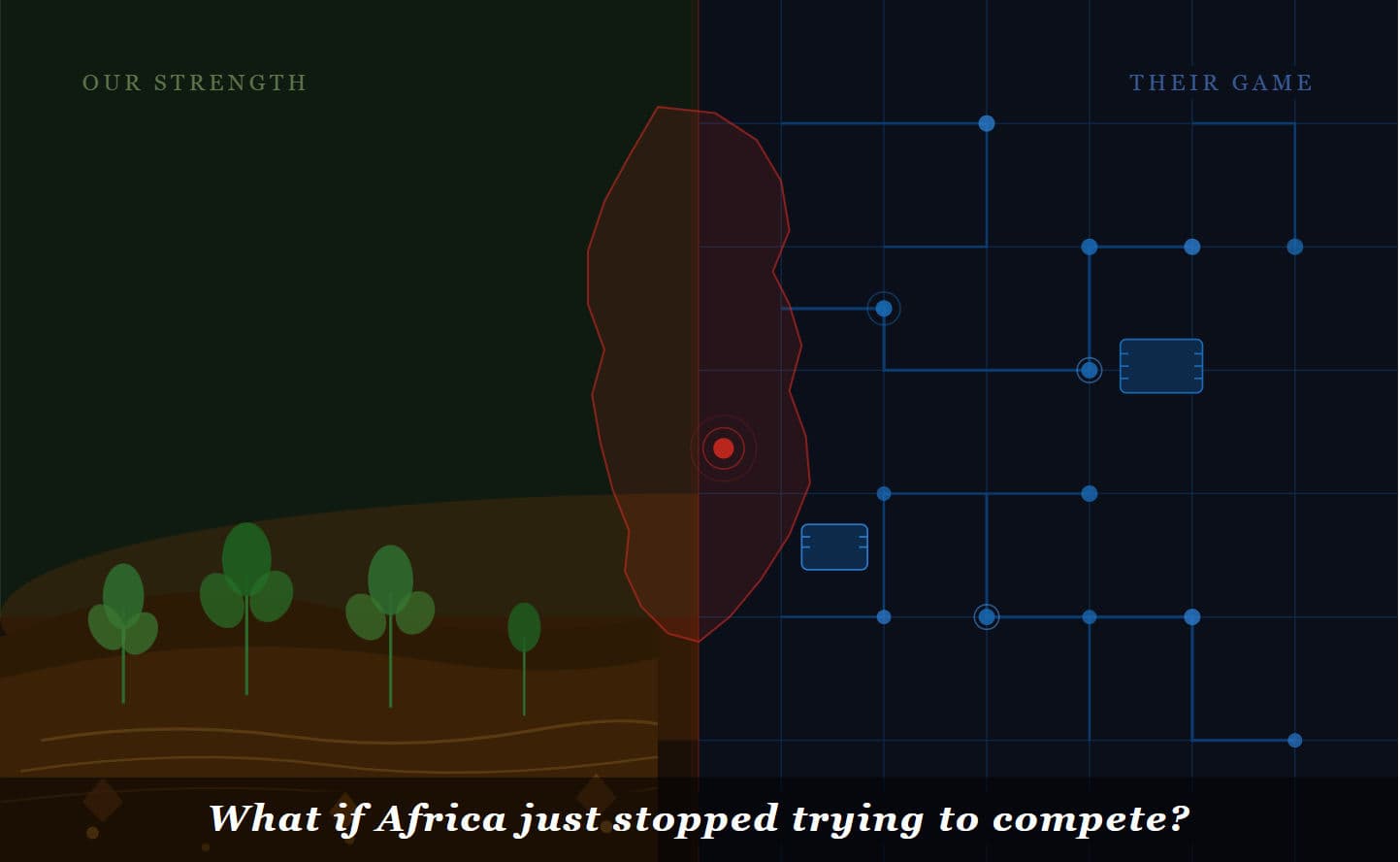
The learning management systems market is crowded with hundreds of thousands of platforms competing for attention. In Africa especially, where low digital literacy is often cited as a barrier to digital transformation, the reflex response has been: build more platforms, create more content, deliver it in "African context." But here's an uncomfortable question that needs asking: Do we actually need another learning platform?
The skills are already out there. Knowledge blankets the internet. Yet people aren't consuming it. When I started Techinika with the idea of writing about digital skills in Kinyarwanda, I assumed the barrier was language and that teaching Rwandans advanced skills like hologram creation or robotics would unlock digital transformation. Reality proved otherwise.
Our most visited article wasn't about AI, blockchain, or cutting-edge technology. It was a simple guide: "How to Send Money from Airtel to MTN." That seemingly mundane article attracted thousands of readers. The lesson was clear—people weren't struggling with advanced concepts; they were struggling with the basics that tech-savvy people take for granted.
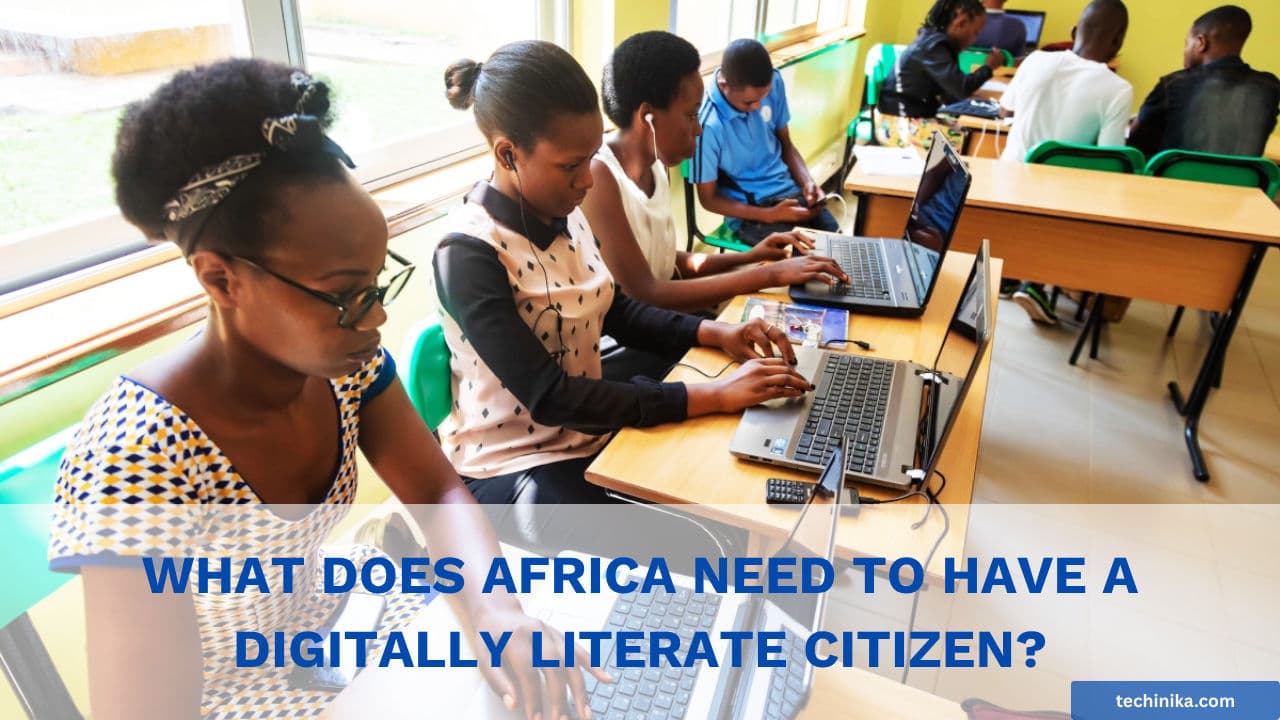
This brings us back to the central question: Does building many learning platforms guarantee better learning for people? Do we understand how they learn, or what they should learn? As of 2024, only 38% of Africans had internet access, but even with such access, the ability to utilize learning platforms requires previous education. The challenge isn't just connectivity—it's foundational learning competency.
The "African Context" Myth
Platforms promise to "deliver content in African context." But what does that actually mean? An African way of learning? Skills aligned with problems Africa faces? These sound compelling until you realize that most platforms still primarily reach digitally savvy people who already know how to learn with technology. Research shows that development of digital literacy among students is compromised due to existing gaps in curricula that rarely emphasize integration of technologies in teaching and learning.
What about the ordinary person who isn't even interested in learning online? If they were, they could already find anything they need—the internet has no shortage of educational content. The real gap isn't content availability; it's with those who don't know how to learn on the internet in the first place.
This proverb captures the challenge perfectly. We're building water troughs everywhere—thousands of learning platforms—without creating the thirst. Shouldn't we focus instead on cultivating curiosity and teaching people how to learn? Shouldn't we simply inform them what's happening, show them where the future is heading, and trust that if they understand the landscape and possess navigation skills, they'll find their own paths?
The Busy Farmer Doesn't Need an AI Course
Consider a farmer. Why should he spend precious time learning the technical intricacies of artificial intelligence? He doesn't need to understand neural networks or machine learning algorithms. What he needs is awareness—to know that AI exists, to understand at a basic level what it is, and crucially, to recognize that it can solve his problems. Once equipped with that awareness and basic understanding, he'll seek solutions himself based on the specific challenges he faces.
According to Mastercard Foundation research, in 2022, African countries scored between 1.8 and 5 on the Digital Skills Gap Index, below the global average of 6. About 87% of African business leaders identified digital literacy skills development as needing further investment. But perhaps we're measuring the wrong thing. The gap isn't just skills—it's foundational learning capacity.
Only 50% of African countries have 'computer' skills as part of their school curriculum, compared to 85% globally. Yet 65% of job vacancies require at least basic digital skills. — World Bank
Currently, four out of five children in Africa struggle with basic literacy by age 10. We're trying to teach them to run before they can walk. The World Economic Forum's EDISON Alliance successfully connected over 1 billion people globally to essential digital services, but connection doesn't equal competency. People need foundational skills before they can meaningfully engage with digital learning platforms.
Rethinking Our Approach
The limited digital skills among people aren't necessarily due to lack of platforms or content. It's because people are busy. They're surviving, working, managing families, dealing with immediate pressures. Digital education feels like a luxury they can't afford, not because it costs money, but because it costs time they don't have without seeing immediate returns.
As Africa becomes increasingly drawn into the digital terrain from a position of relative disadvantage, our need to understand the various dimensions of digital literacy within our complex social contexts becomes pressing. But perhaps we should understand African digital literacy not as deficit but as something already in motion, unique to context and responding to the needs of our people.
What if instead of building the 100,001st learning platform, we focused on three fundamental shifts?
First, teach awareness, not expertise. People don't need comprehensive courses on technologies they may never use. They need to know what exists, what's possible, and how to find more when they need it. A farmer doesn't need a semester on AI in agriculture—he needs a 30-minute conversation about how AI could help with crop disease detection, and then clear signposting to where he can explore solutions when his crops actually face disease.
Second, teach navigation, not content. Only 20% of African teachers are trained in digital learning tools. Rather than creating more sophisticated platforms, we should teach people—especially teachers—how to evaluate information, how to search effectively, how to distinguish credible sources, how to learn independently. These meta-skills multiply value indefinitely, unlike specific technical skills that become obsolete.
Third, cultivate curiosity, not compliance. Traditional education systems, particularly in Africa, emphasize rote memorization and compliance. Rwanda's curriculum reform since 2015 moved away from rote learning toward collaboration and critical thinking, with 80% of secondary schools now using e-learning platforms. This is the direction—not adding more content, but changing how people approach learning itself.
The challenge is that awareness-building and meta-learning don't produce impressive metrics quickly. Platform developers can boast "10,000 users enrolled!" Curiosity cultivation has no such easy measurement. It's slow, cultural, and diffuse. But it's also sustainable and scalable in ways platforms never will be.
McKinsey projects that Africa's internet economy could reach $1.8 trillion by 2030. That's enormous potential. But unlocking it doesn't require more platforms. It requires a population that knows how to learn, that understands why they should care, and that possesses the basic navigation skills to find what they need when they need it.
When we say Africa has a digital literacy problem, we usually mean Africans can't use certain tools. But perhaps the real problem is that we haven't taught them that learning itself is a tool—and the most powerful one at that. Every new platform built without addressing this foundational gap is another beautiful trough filled with water that nobody drinks, not because they aren't thirsty, but because they don't know what water is, why they need it, or how to recognize it when they see it.
So before launching the next learning platform promising to revolutionize African education with AI-powered, locally-contextualized, mobile-first content, perhaps ask: Are we solving the actual problem, or just building a more sophisticated solution to the wrong question?
The content is there. The platforms exist. What's missing is the fundamental human capacity to engage with them meaningfully—and that starts with teaching people how to learn, not what to learn.
If you enjoyed this article, follow us on WhatsApp for daily tech updates. If you have an idea, need to be featured or need to partner, reach out to us at editorial@techinika.com or use our contact page.
Don't let the story end here.
Share your thoughts, ask questions, and connect with the community.

Cishahayo Songa Achille
Chief EditorCishahayo Songa Achille is a Rwandan software engineer and tech entrepreneur focused on democratizing digital skills. He is best known as the Founder and Managing Director of Techinika, an edtech firm established in 2020 to make complex technological advances accessible to the general public and build solutions for the biggest problems.
View all articles by Cishahayo Songa Achille →