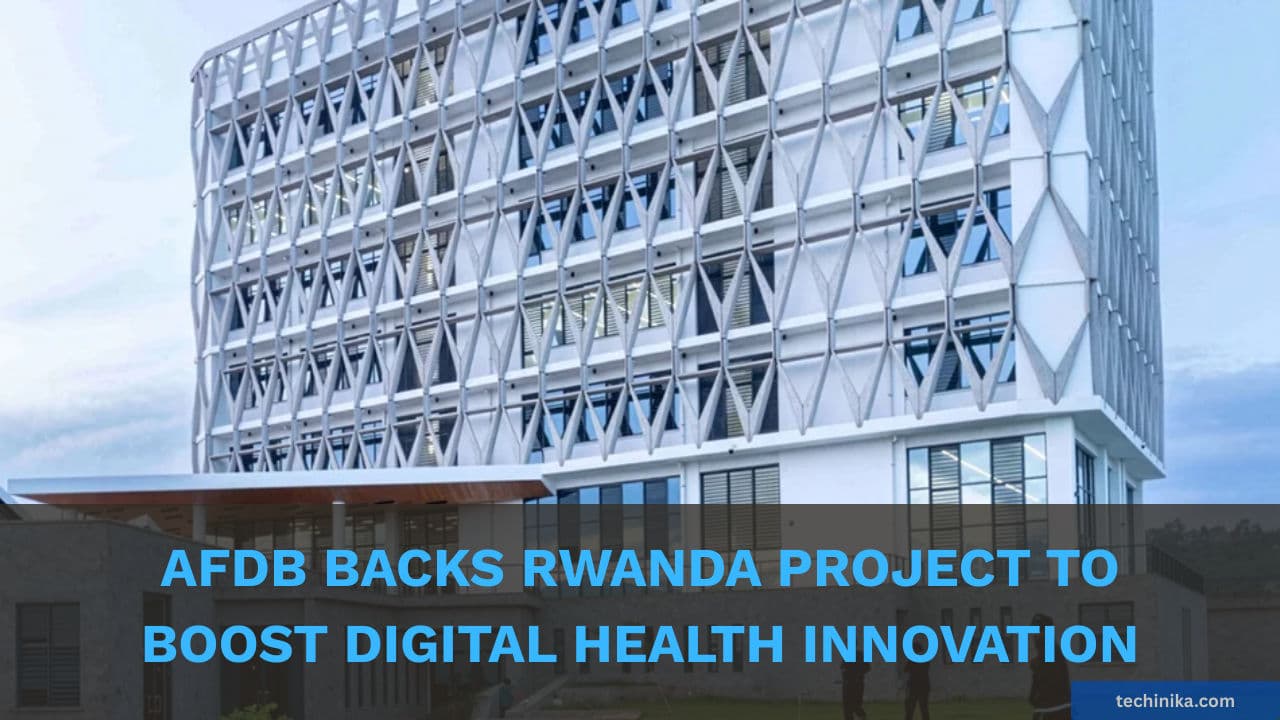
AfDB Backs Rwanda Project to Train 470 Health Specialists and Boost Digital Health Innovation
AI Quick Summary
- The African Development Bank Group (AfDB) approved $29.85 million to expand Rwanda’s Centre of Excellence for Biomedical Engineering and e-Health Project (Phase II) in Kigali Innovation City.
- The project aims to enhance healthcare skills, strengthen the health system, and train 470 students from Rwanda and other East African Community countries in biomedical engineering and digital health.
- Funding includes $24.64 million from the African Development Fund and $5.21 million from the AfDB, with the Government of Rwanda covering the remainder.
- The initiative will construct modern laboratories, establish a Biomedical Innovation Park, and procure advanced equipment to support learning and research.
- It is expected to reduce reliance on foreign technicians, improve access to quality healthcare through digital tools, create short-term construction jobs, and foster long-term skilled employment.
There is no publicly available update regarding the project's progress or completion since the article's publication.
The African Development Bank Group (AfDB) has approved $29.85 million in financing to expand Rwanda’s Centre of Excellence for Biomedical Engineering and e‑Health Project (Phase II) in Kigali Innovation City. This support aims to build future-ready healthcare skills and strengthen the country’s health system by training specialists and enhancing digital health services.
Investing in Health Skills and Innovation
Phase II of the project builds on earlier efforts to develop Rwanda’s capacity in biomedical engineering, rehabilitation science, and digital health. The funding includes $24.64 million from the African Development Fund, AfDB’s concessional lending arm, and $5.21 million from the Bank itself, with the Government of Rwanda covering the remainder.
The initiative will directly train 470 students at both bachelor’s and master’s levels, primarily from Rwanda and other East African Community countries. In addition to student training, the project will support University of Rwanda academic staff with PhD and post‑doctoral training to maintain high-quality teaching and research.
Building Facilities and Supporting Research
The project will expand the Centre of Excellence by enhancing academic programmes, strengthening links with the private sector, constructing modern laboratories and facilities, and procuring advanced equipment to support cutting-edge learning and research. A Biomedical Innovation Park will also be established to enable students, researchers, and companies to design and test health technologies that respond to local and regional needs.
Collaboration with international institutions, curriculum reform, and accreditation efforts aim to ensure that training remains relevant and globally competitive. Regional integration will also be advanced through faculty exchanges, joint research initiatives, and entrepreneurship support programmes.
Impact on Healthcare and Communities
Locally trained specialists are expected to reduce reliance on foreign technicians for medical equipment installation, maintenance, and repair, helping lower healthcare costs and improve service delivery. The expanded digital health and telemedicine tools will make it easier for patients in rural and urban areas to access quality healthcare, ultimately improving diagnosis, treatment safety, and overall health outcomes across Rwanda.
Additionally, the project’s construction phase is set to create hundreds of short-term jobs, and in the long term, it is expected to foster skilled employment and support new health technology businesses.
Read more: Official Announcement
If you enjoyed this article, follow us on WhatsApp for daily tech updates. If you have an idea, need to be featured or need to partner, reach out to us at editorial@techinika.com or use our contact page.
Don't let the story end here.
Share your thoughts, ask questions, and connect with the community.

ISHIMWE Jean Claude
AuthorA technology writer at Techinika, exploring digital innovation and emerging technology trends across Africa. Dedicated to translating complex ideas into meaningful narratives.
View all articles by ISHIMWE Jean Claude →